
Sybil
2007
No user ratings available yet
Representation score: 4.3 out of 10
Representation Score
Limited
1997
RDirector
James Frawley
Runtime
99 minutes
Average Rating
No ratings yetNew Showbiz Analysis
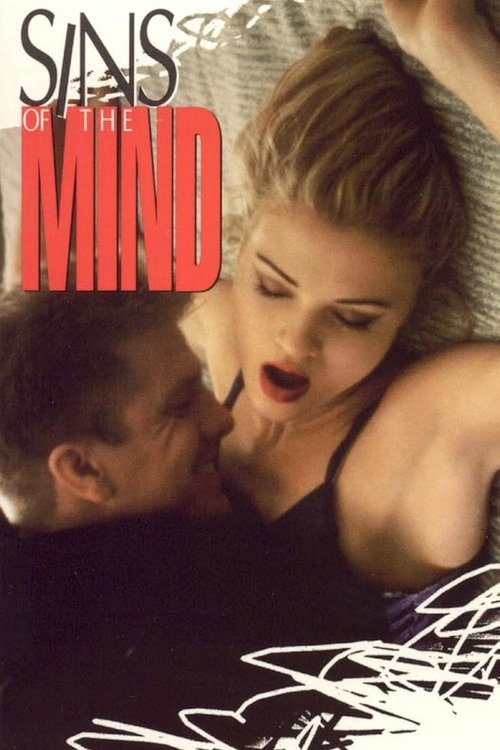
Sins of the Mind is a domestic drama that emphasizes the social consequences of a traumatic brain injury rather than a nuanced character study. The film centers on a female protagonist, but her actions are defined by a loss of control rather than true ability to act. The narrative structure relies heavily on the discomfort caused by the protagonist's altered state. By portraying her behavior as 'promiscuous' and 'childlike' due to injury, the film risks treating disability as a source of social disruption rather than a lived experience. Overall, the film lacks depth in exploring multiple aspects of identity. It focuses on the psychological friction within a traditional family unit, offering limited diverse representation.
Category Breakdown
The film does not include any LGBTQ+ characters or non-cisgender identities. The story focuses solely on a female protagonist and her family interactions.
The narrative centers on a woman, but it relies on clichés of female vulnerability. Her role is defined by a loss of control rather than true ability to act.
There is no indication of racial or ethnic diversity among the cast or setting. The information provided does not allow for assessment of ethnic representation.
The film examines tensions around social conduct and family stability. However, the protagonist's behavior is portrayed as a medical condition rather than a personal choice.
The story revolves around a neurological disability resulting from brain damage. The narrative risks using this condition to create social conflict and family drama.
Present on Screen
Limited or Absent
Official Synopsis
A young woman returning from a renaissance fair survives a car accident, but much to her family's horror, the accident damages her brain and she develops blatantly promiscuous and childlike behavior.
2007
1996
1995
2002
2005
2005

1979

1992
No reviews yet. Be the first to share your thoughts on this movie!
Use the rating form above to leave a star rating and optional review.