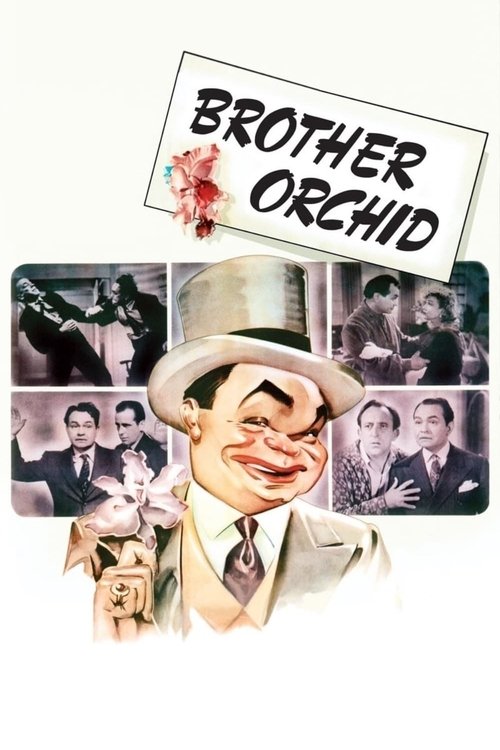
Brother Orchid
1940
No user ratings available yet
Representation score: 0.8 out of 10

Representation Score
Minimal
1934
PassedDirector
W.S. Van Dyke
Runtime
81 minutes
Average Rating
No ratings yetNew Showbiz Analysis
Hide-Out is shaped by its historical context, emphasizing individual redemption and traditional romantic structures. The narrative highlights the tension between the criminal underworld and domestic stability, but it does not challenge conventional social hierarchies. The storytelling adheres closely to the cinematic standards of the early 1930s.
Category Breakdown
The film does not feature any LGBTQ+ characters or stories that go beyond traditional heterosexual relationships. The main romance revolves around a straight relationship between the protagonist and the farmer's daughter.
Women play roles within the criminal world, but the male protagonist remains the central emotional figure. The female lead influences his moral decisions, though femininity mainly serves to stabilize the domestic setting.
The cast is predominantly homogeneous, with no notable racial or ethnic diversity. The film does not use race-bent casting to explore diverse backgrounds.
The story touches on social mobility and the constraints of law enforcement, focusing on the lower socioeconomic criminal class. It emphasizes personal moral growth rather than critiquing systemic issues.
There are no characters with visible or invisible disabilities in the film. Disability is not used as a narrative element or plot point.
Present on Screen
Limited or Absent
Official Synopsis
Wounded criminal Lucky Wilson takes refuge in a small Connecticut farm. He falls in love with the farmer's daughter who at first is unaware of his criminal record. Lucky is fully prepared to shoot his way out when the cops come calling, but he is softened by the daughter's affections.
1940
1937
1932
1942

1939

1941

1930
1949
No reviews yet. Be the first to share your thoughts on this movie!
Use the rating form above to leave a star rating and optional review.