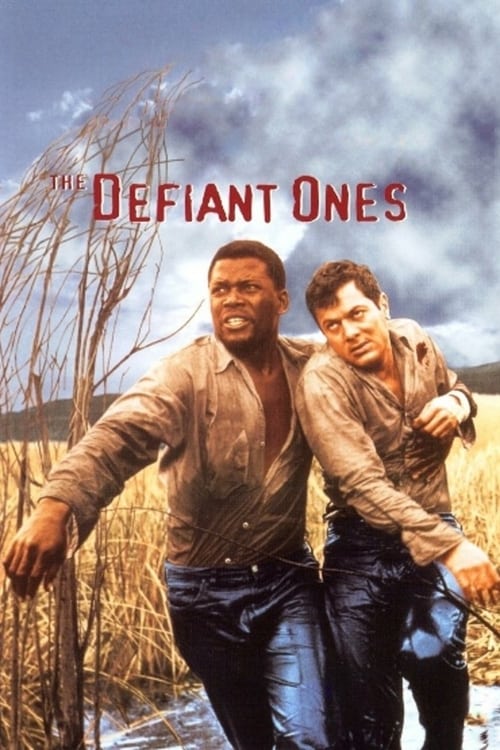
The Defiant Ones
1958
No user ratings available yet
Representation score: 4.8 out of 10
Representation Score
Limited
1986
NRDirector
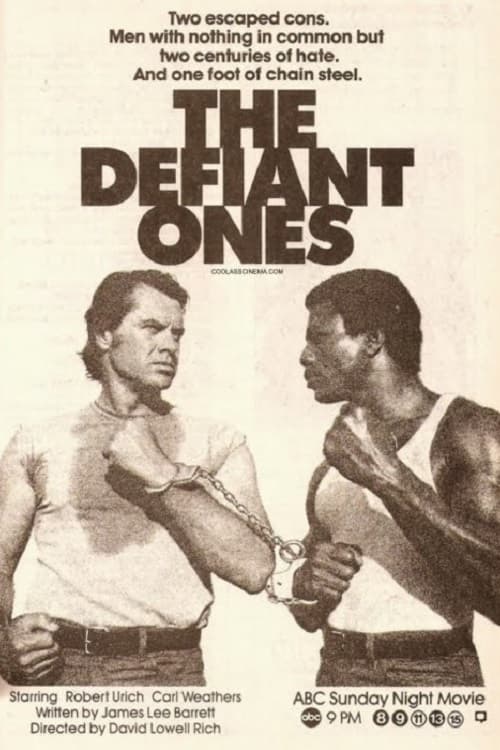
David Lowell Rich
Runtime
100 minutes
Average Rating
No ratings yetNew Showbiz Analysis
The film's diversity is highlighted by its casting, which uses the forced bond between a white man and a Black man to explore racial tension. This provides social commentary often missing from 1980s TV dramas. However, the production sticks closely to traditional genre conventions. The story prioritizes the excitement of a chase and escape over a deeper critique of institutions or the subversion of gender hierarchies. Ultimately, while the racial dynamics provide meaningful engagement, the film's narrow focus on male-driven action and its lack of LGBTQ+ or disability representation limit its overall diversity impact.
Category Breakdown
The film doesn't include any LGBTQ+ characters or stories about non-straight relationships. The main conflict revolves around racial and personal tensions between the two male leads.
The story centers on male protagonists using a typical action-drama format. Female characters like Laurie O'Brien appear but don't drive the main chase sequence.
Pairing Robert Urich and Carl Weathers highlights racial tension and forces a confrontation with racial dynamics. This casting uses racial identity to drive the plot and explore friction.
The film uses a fugitive cliché that questions state authority and the criminal justice system. However, it focuses on individual survival rather than broader systemic issues.
There are no characters with visible or invisible disabilities playing key roles or driving major plot points.
Present on Screen
Limited or Absent
Official Synopsis
Monroe and 'Joker' Johnson are two prisoners who despise each other. But after their prison transport crashes, they manage to escape chained to each other.
1958
1990

1994

1985

2001

1973

2017

1991
No reviews yet. Be the first to share your thoughts on this movie!
Use the rating form above to leave a star rating and optional review.