
Jailbreakers
1994
No user ratings available yet
Representation score: 3.3 out of 10
Representation Score
Limited
2017
Director
Yoshihiro Fukagawa
Runtime
108 minutes
Average Rating
No ratings yetNew Showbiz Analysis
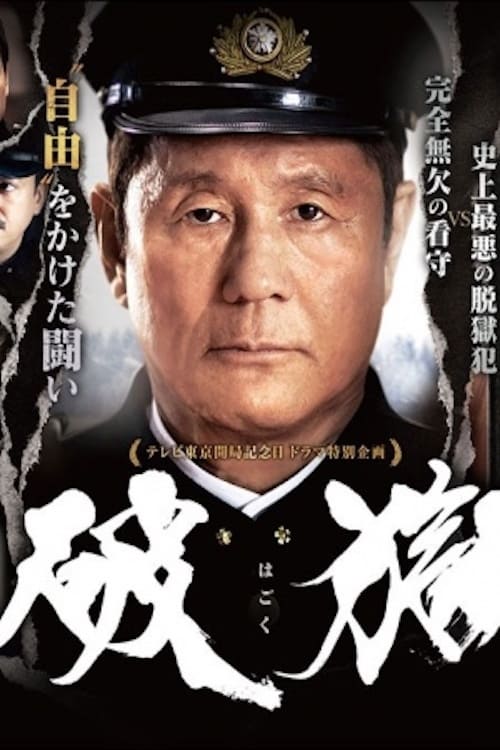
Prison Break (2017) is a period drama that highlights the critique of institutional power. It focuses on the tension between individual freedom and a rigid system. The film challenges the harshness of the prison system through a humanistic perspective. However, it lacks diverse representation, focusing primarily on male-dominated power dynamics and historical Japanese social structures.
Category Breakdown
The film does not include any LGBTQ+ characters or non-cisgender identities. The story focuses on the interactions between male inmates and wardens.
The story follows a traditional masculine dynamic, emphasizing power struggles between male inmates and wardens. Female characters have limited roles and influence.
Set in 1942 Japan, the film reflects the historical lack of ethnic diversity due to the time period. There are no active efforts to exclude diverse characters.
The film critiques strict state authority and Western institutional practices. It examines moral relativism through the relationship between a prisoner and warden, challenging conventional legal logic.
There are no characters with physical or neurodivergent disabilities in the film.
Present on Screen
Limited or Absent
Official Synopsis
One late night in June 1942, Sakuma Seitaro dangles from the frame of a skylight in an isolation cell in Akita Prison. He forces open the glass window and breaks out of jail. This crime even reaches the ears of Urata Susumu, the chief warden of Kosuge Prison in Tokyo. Urata had been in charge of those sentenced to life in the prison until last year. Although Sakuma is a dangerous person who had also broken out of jail in Aomori, he submits to Urata who is the only person who had treated him kindly in the past. However, three months after escaping from jail, Sakuma shows up at Urata’s house. He has come to complain about the inhumane Akita prison officers. But he is locked up again after Urata notifies the police during an unguarded moment. A year later, Sakuma is sent to Abashiri Prison and Urata is also ordered to transfer as the prison’s chief warden.
1994
1960

1977
1972

2017
1947
2011
1980
No reviews yet. Be the first to share your thoughts on this movie!
Use the rating form above to leave a star rating and optional review.