Women Without Innocence
1978
No user ratings available yet
Diversity score: 3.7 out of 10
2018
TV-MADirector
Franck Ribière
Runtime
102 minutes
Average Rating
No ratings yetSynopsis
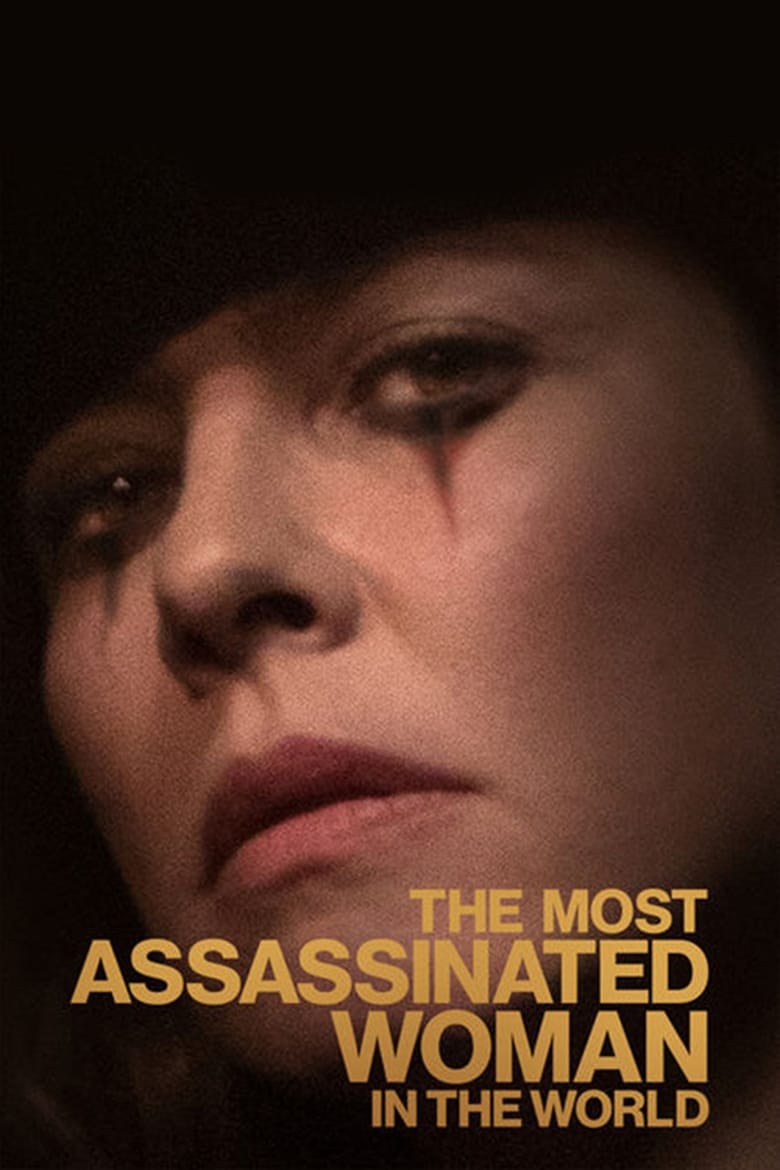
Set against the backdrop of the infamous Theatre Grand Guignol the story revolves around iconic actress Paula Maxa - the most famous of the Grand Guignol's leading ladies and the titular Most Assassinated Woman, who was graphically slain on stage multiple times a day.
Overall Score
Fair
Category Breakdown
LGBTQ+ Representation
The film explores identity through the artifice of stagecraft and theatrical tropes. However, it lacks explicit LGBTQ+ character arcs or non-cisnormative identities that drive the plot.
Gender Representation
The narrative centers on a female protagonist who commands a stage built on simulated victimization. It subverts the 'damsel in distress' trope through her professional mastery in a male-dominated industry.
Racial & Ethnic Diversity
Set within the French theatrical tradition of the early-to-mid 20th century, the film focuses on specific cultural melodrama. There is no evidence of significant racial intersectionality or a non-white majority cast.
Religious & Cultural Diversity
The story deconstructs traditional morality by framing stylized violence as secular entertainment. While it critiques the subjectivity of truth, it lacks a deeper critique of religion or capitalism.
Disability Representation
Physical trauma is used primarily as a theatrical device for spectacle. There is no evidence of characters with actual disabilities being portrayed with meaningful agency.
Strengths
Areas for Improvement
AI Analysis
The film offers a nuanced look at female agency by centering on Paula Maxa, a woman navigating a high-stakes theatrical industry. It successfully challenges the passivity of historical female archetypes through her professional command of the Grand Guignol stage. However, the representation is limited by a narrow focus on French theatrical history. The narrative lacks explicit intersectional casting and fails to provide meaningful arcs for LGBTQ+ or disabled characters, often using physical suffering merely as a plot mechanism. Ultimately, while the film subverts certain gendered tropes, its lack of diverse identity-driven narratives keeps the overall impact specialized rather than broadly inclusive.
1978
2008
1973
1964

1994

2014
1994

2017
2017
1953
2007
1972
No reviews yet. Be the first to share your thoughts on this movie!
Use the rating form above to leave a star rating and optional review.