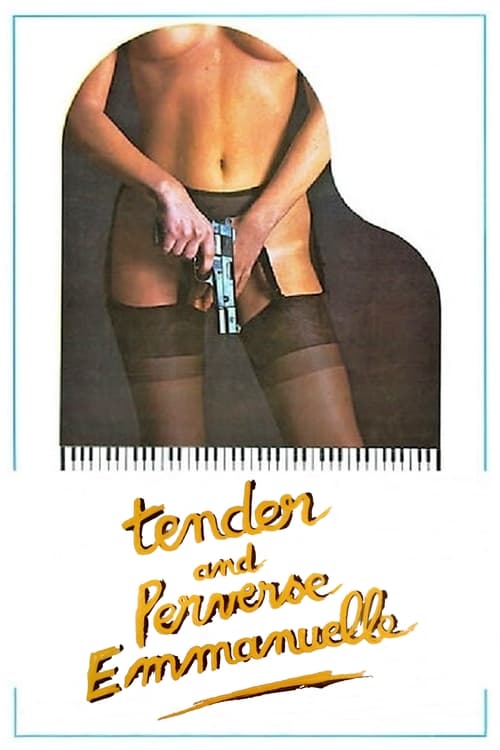
Tender and Perverse Emmanuelle
1973
No user ratings available yet
Representation score: 5.9 out of 10
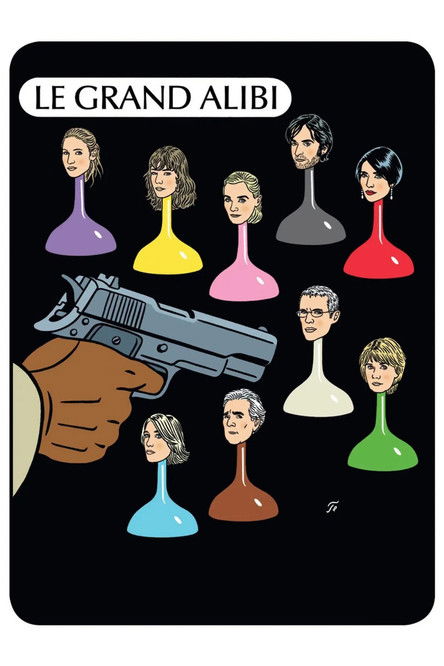
Representation Score
Fair
2008
Director
Pascal Bonitzer
Runtime
93 minutes
Average Rating
No ratings yetNew Showbiz Analysis
The film operates as a cerebral psychological mystery that prioritizes class dynamics and individual culpability over social breadth. While it avoids formulaic clichés by placing a woman in a position of chaotic ability to act, the world remains largely insular. The setting and character archetypes suggest a traditionalist, Eurocentric social hierarchy, limiting the film's reach in terms of cultural diversity.
Category Breakdown
The film does not include any explicit LGBTQ+ characters or non-straight relationships. The focus is on infidelity and complex interpersonal relationships within a domestic setting.
Claire, the female protagonist, plays a significant role in driving the story despite being placed in a chaotic situation. She challenges the traditional passive role of women by holding the smoking gun.
The setting involves a senator in a village near Paris, suggesting a homogeneous, upper-class Eurocentric demographic. The narrative lacks specific details indicating a diverse cast of characters.
The film examines the social fabric of the upper-middle class through characters like a psychoanalyst and a senator. It functions as a study of psychological breakdown within a stable structure.
The synopsis does not mention any characters with physical or neurodivergent disabilities.
Present on Screen
Limited or Absent
Official Synopsis
Like every weekend senator Henri Pagès and his wife entertain guests at their beautiful mansion in a peaceful village near Paris. But this time around, things go awry: Pierre Collier, a psychoanalyst and consummate womanizer, is brutally murdered. Claire, his wife, dazed and confused by his corpse, with a smoking gun still in her hand, seems to be the ideal culprit...
1973
1947

2003

2019

2018
2001
1958

2017
No reviews yet. Be the first to share your thoughts on this movie!
Use the rating form above to leave a star rating and optional review.