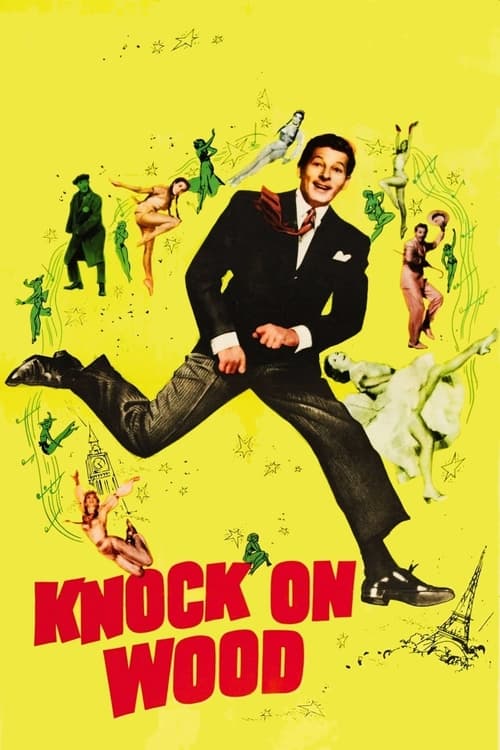
Knock on Wood
1954
No user ratings available yet
Diversity score: 1.4 out of 10
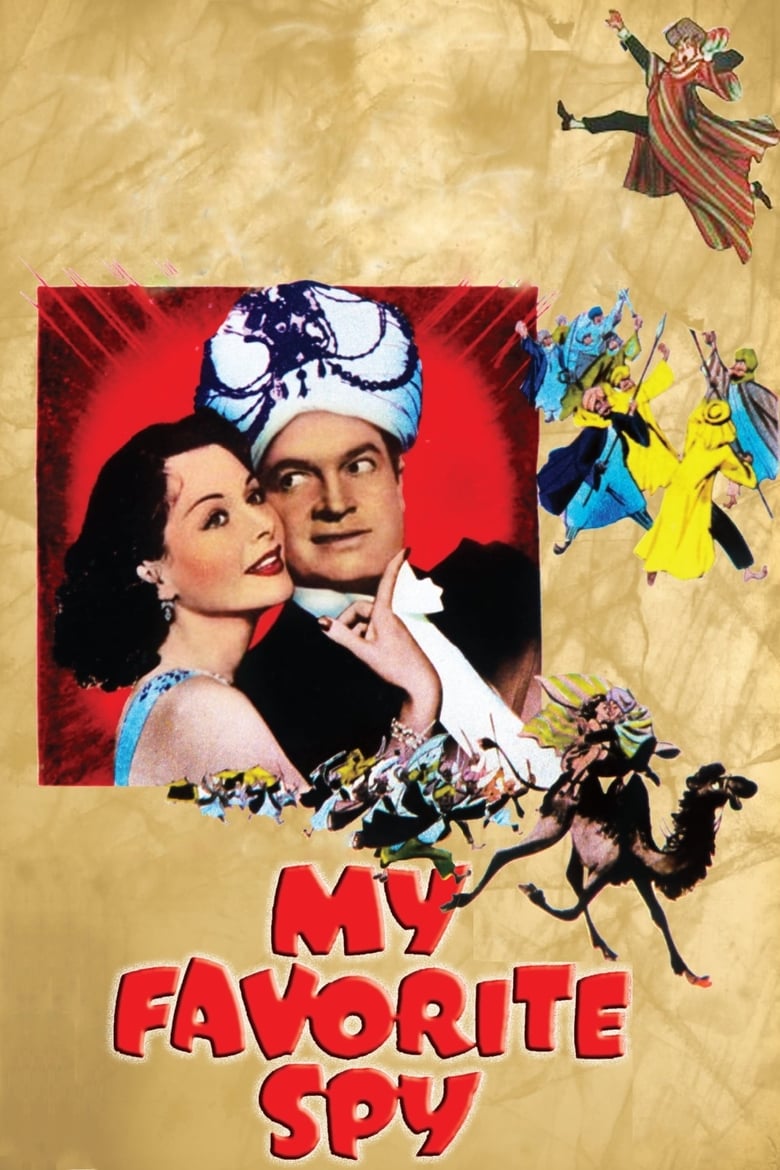
1951
ApprovedDirector
Norman Z. McLeod
Runtime
93 minutes
Average Rating
No ratings yetSynopsis
A burlesque comic doubles for a spy in Tangier and meets the spy's girlfriend, who is also a spy.
Overall Score
Minimal
Category Breakdown
LGBTQ+ Representation
The film follows a conventional heteronormative trajectory. The romantic plot is centered entirely on a traditional male-female dynamic.
Gender Representation
While the female lead is an active participant in the espionage, she often serves as a comedic foil. The male lead's heroism is accidental and rooted in screwball comedy traditions.
Racial & Ethnic Diversity
The Tangier setting serves as a backdrop for Western protagonists. The casting appears homogeneous, lacking significant non-white representation in central roles.
Religious & Cultural Diversity
This escapist comedy prioritizes farce over ideological critique. It reinforces traditional Western social structures and conventional moral frameworks.
Disability Representation
The characters occupy standard physical and neurotypical roles. There is no evidence of characters with visible or invisible disabilities.
Strengths
Areas for Improvement
AI Analysis
My Favorite Spy is a quintessential product of the 1950s studio system, prioritizing lighthearted screwball comedy over social subversion. It relies heavily on established mid-century archetypes and traditional social hierarchies. The film's approach to diversity is minimal, functioning primarily as escapist entertainment. It maintains a narrow focus on Western perspectives and conventional romantic dynamics, offering little engagement with intersectional identities or diverse cultural narratives. Ultimately, the work reinforces the status quo of its era rather than challenging it, making it a standard example of mainstream mid-century genre filmmaking.
1954
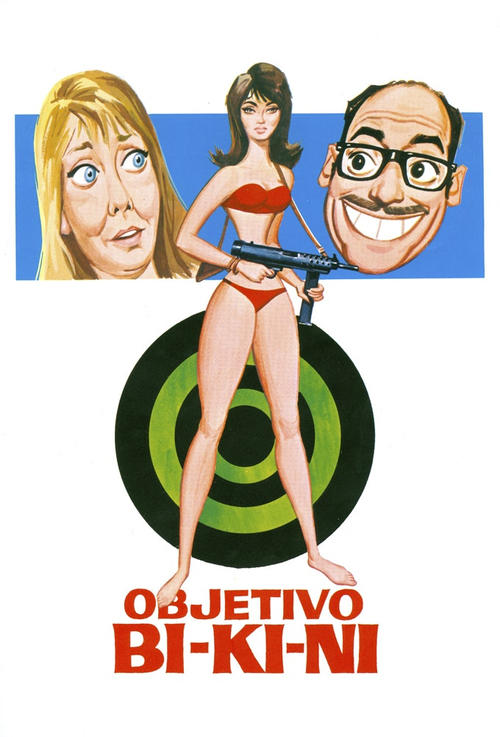
1968

2015

1965

1966

1966

1979
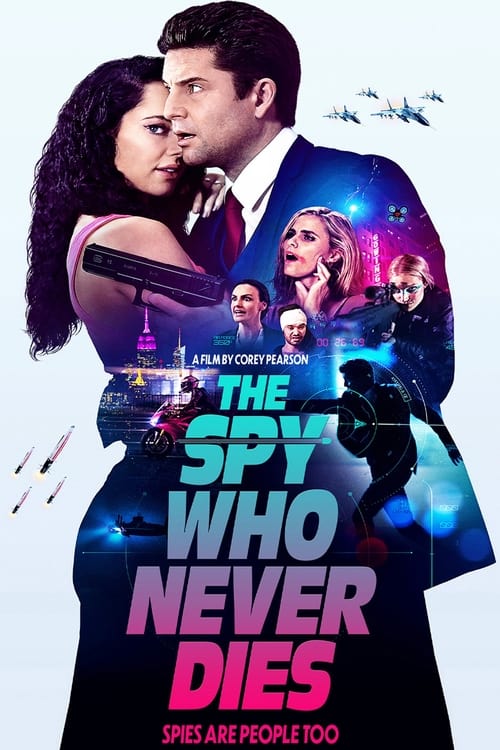
2022
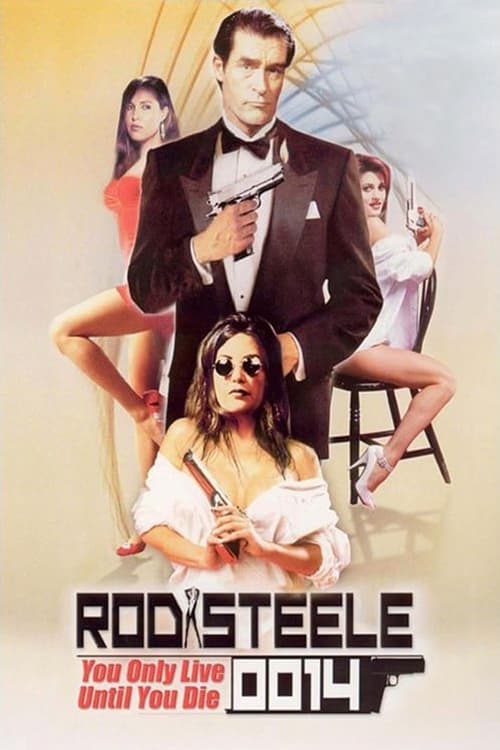
1997
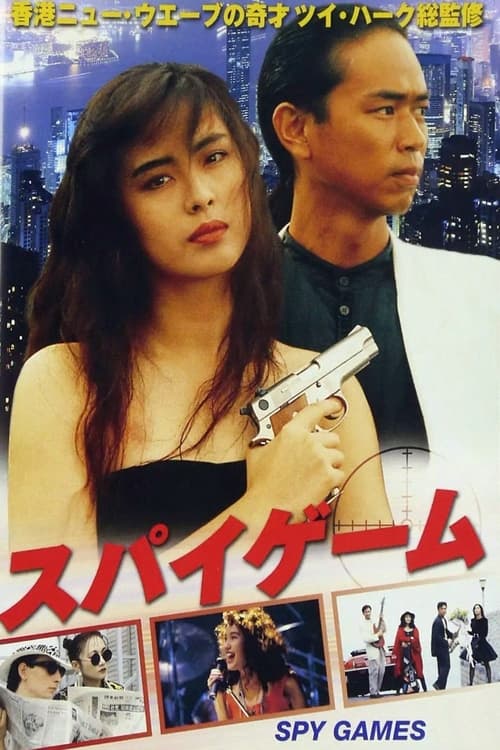
1989

1964
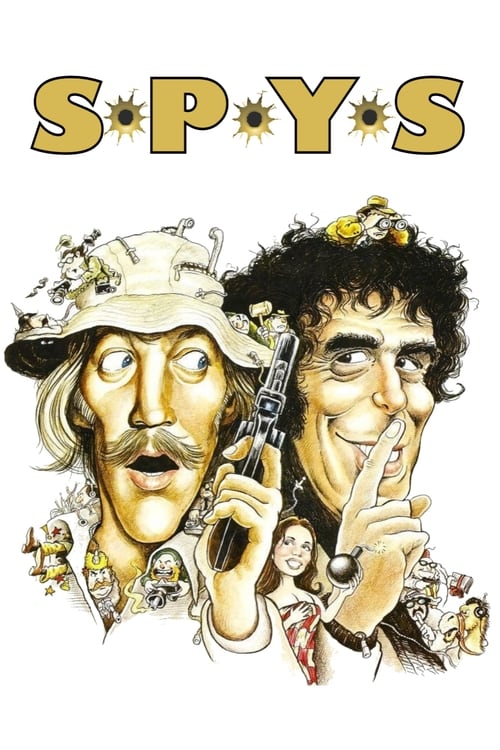
1974
No reviews yet. Be the first to share your thoughts on this movie!
Use the rating form above to leave a star rating and optional review.