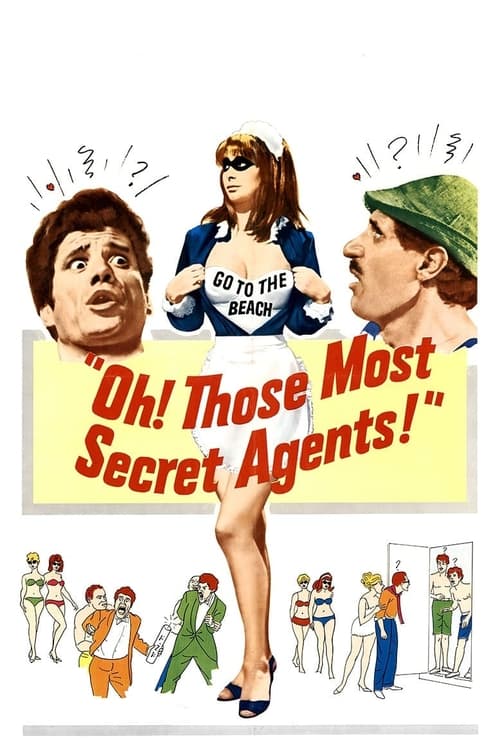
Oh! Those Most Secret Agents
1964
No user ratings available yet
Representation score: 4.0 out of 10
Representation Score
Fair
1974
PGDirector
Irvin Kershner
Runtime
87 minutes
Average Rating
No ratings yetNew Showbiz Analysis
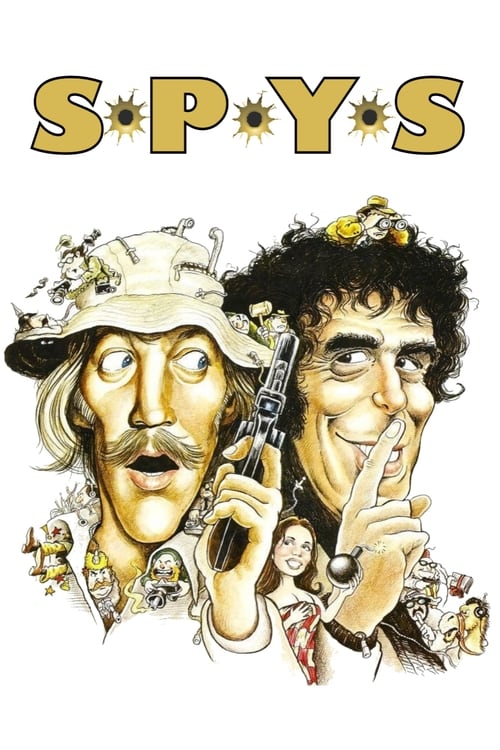
S*P*Y*S is a product of its era, adhering closely to the conventions of 1970s action-comedy spy films. The narrative emphasizes situational irony and Cold War tensions over exploring diverse identities or social critiques. The film lacks significant representation across various diversity categories. It primarily focuses on the incompetence of male intelligence agents, rather than delving into modern storytelling that reflects multiple aspects of identity. Overall, the work serves as a genre piece that uses geopolitical conflict as a backdrop for character-driven mishaps, offering limited exploration of diverse identities.
Category Breakdown
The film focuses on geopolitical conflicts between the CIA and Soviet entities. It does not depict any LGBTQ+ identities or same-sex relationships, sticking to the conventions of 1970s espionage films.
The story revolves around male agents working for the CIA who are portrayed as incompetent. Women do not seem to have prominent roles where they can drive the story.
The narrative is set during the Cold War, highlighting tensions between Western and Soviet powers. The film seems to follow the homogeneous casting practices common in intelligence-based stories of the time.
The plot highlights the clash between Western capitalism and Soviet communism as a comedic element. The film focuses on individual survival rather than critiquing the systemic structures of these ideologies.
There is no indication of characters with visible or invisible disabilities. The narrative centers on the incompetence of CIA agents and situational errors, rather than addressing disability as a character trait.
Present on Screen
Limited or Absent
Official Synopsis
Two CIA bunglers botch a Soviet defection, then both sides mark them for termination.
1964
1984
1993
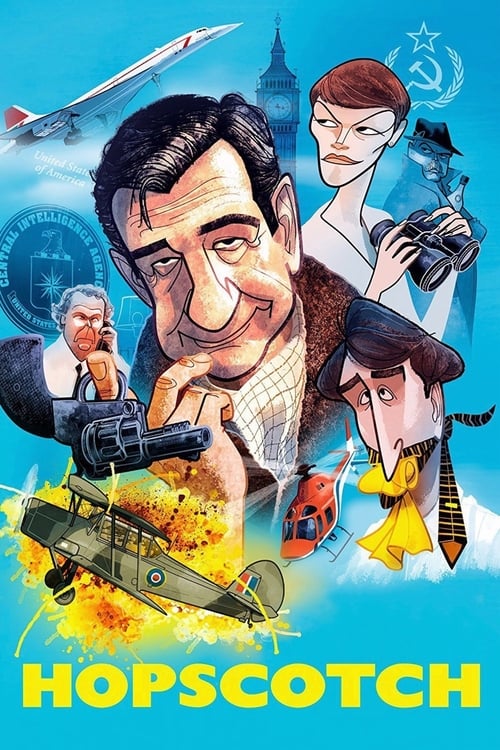
1980

1989
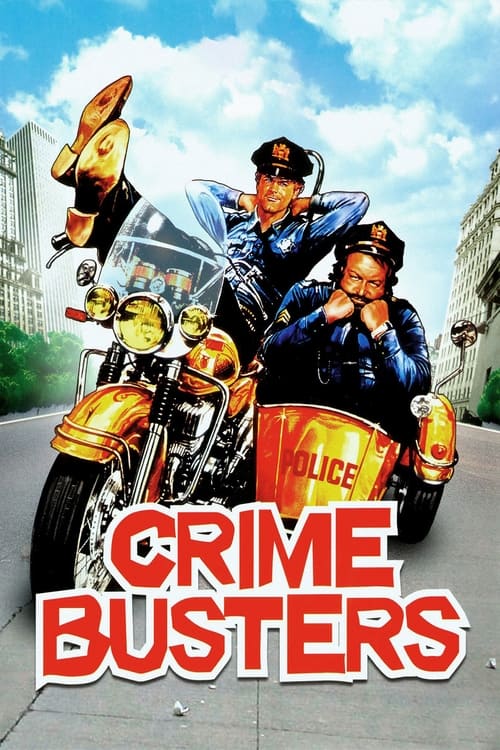
1977

1966
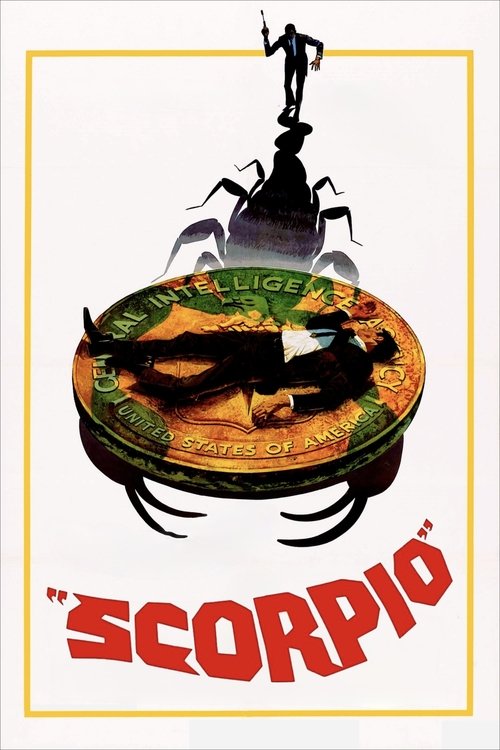
1973
No reviews yet. Be the first to share your thoughts on this movie!
Use the rating form above to leave a star rating and optional review.