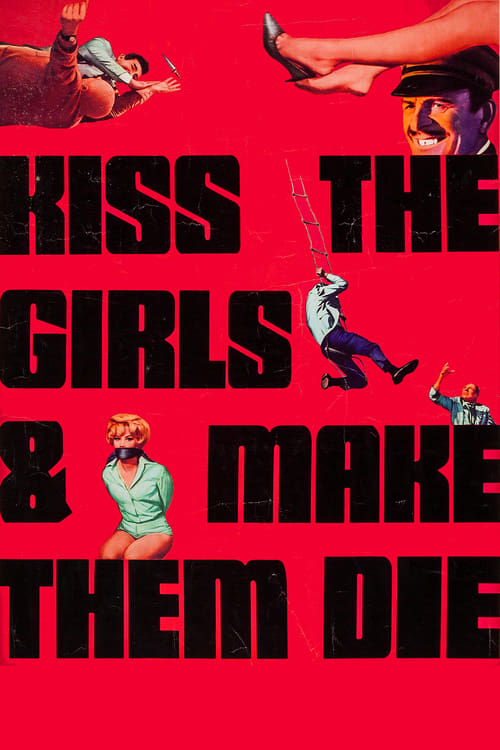
Kiss the Girls and Make Them Die
1966
No user ratings available yet
Representation score: 2.5 out of 10
Representation Score
Minimal
1968
Director
Mariano Ozores Puchol
Runtime
90 minutes
Average Rating
No ratings yetNew Showbiz Analysis
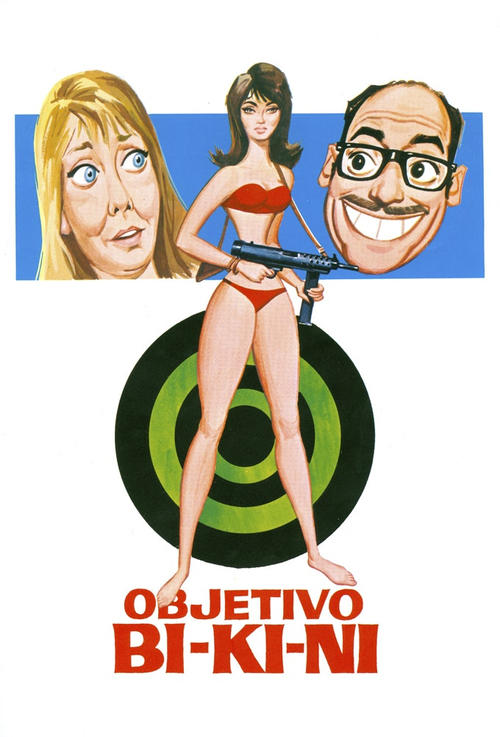
Objetivo: BI-KI-NI is a classic example of its time, serving as a light-hearted commercial comedy. It prioritizes entertainment and slapstick humor over any deep critique of social structures. The film upholds the traditional gender and racial norms of 1960s Mediterranean cinema. By focusing on the male gaze and conventional romantic plots, it maintains the status quo of its historical context. Overall, the film lacks complexity in addressing multiple aspects of identity. It functions as a genre-driven parody that adheres to established cultural norms without challenging them.
Category Breakdown
The film follows typical heterosexual norms of 1968 Spanish comedy. It does not include any non-traditional gender identities or narratives that question traditional gender roles.
The story revolves around the pursuit of women and the bikini motif. Female characters are portrayed as objects of the male gaze rather than active participants in the plot.
The cast is predominantly made up of a homogeneous group reflecting a local middle-class experience. The film does not blend different racial backgrounds.
As a James Bond parody, the film sticks to genre clichés rather than critiquing societal norms. It adheres to conventional social values without questioning Western institutions.
There are no central plot devices involving characters with disabilities. No specific mockery of disability is noted in the available material.
Present on Screen
Limited or Absent
Official Synopsis
In Cape Kennedy, a con man accidentally swallows a valuable microfilm, believing it a pill for heartburn. Parody of the James Bond films.
1966
1977
1974
1984
1951

1967

1964
1968
No reviews yet. Be the first to share your thoughts on this movie!
Use the rating form above to leave a star rating and optional review.