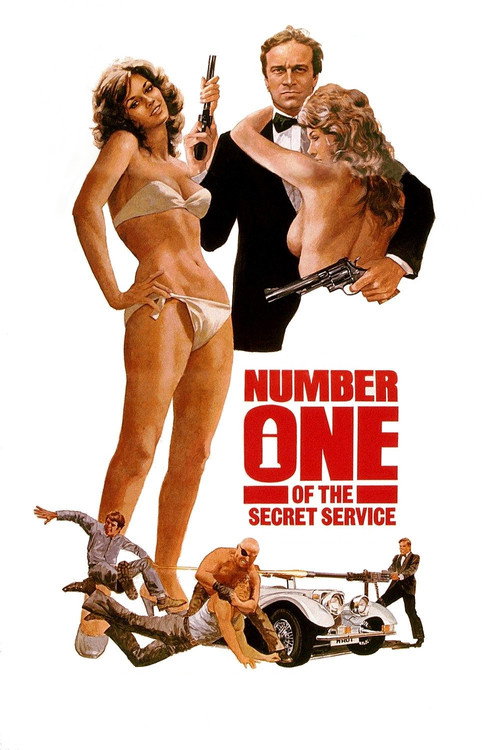
No. 1 of the Secret Service
1977
No user ratings available yet
Diversity score: 3.1 out of 10
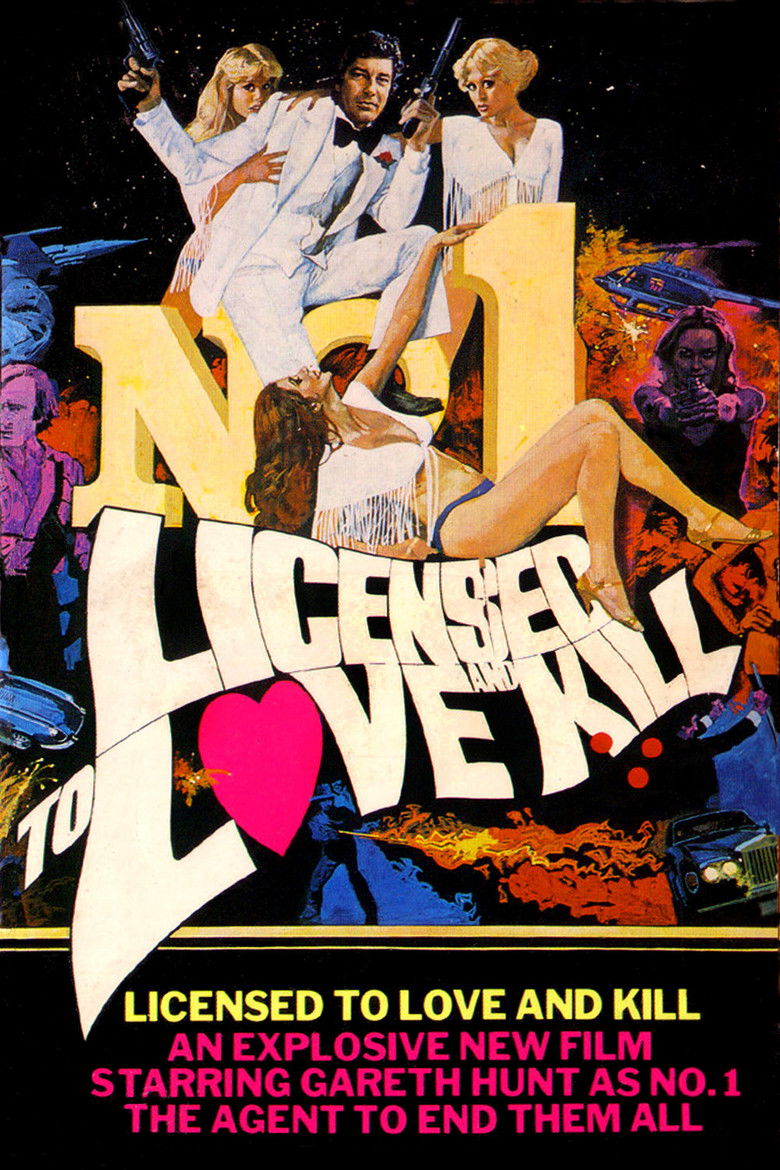
1979
RDirector
Lindsay Shonteff
Runtime
91 minutes
Average Rating
No ratings yetSynopsis
A British secret agent sent to America to rescue a nobleman comes up against an evil genius who is replacing people in important positions with clones who will do his bidding.
Overall Score
Limited
Category Breakdown
LGBTQ+ Representation
The film adheres to the heteronormative romantic pairings typical of the 1970s spy genre. There is no evidence of non-cisnormative identities or critiques of traditional norms.
Gender Representation
Female characters likely occupy secondary or decorative roles common to this era. The plot lacks indications of female agency that would challenge masculine leadership hierarchies.
Racial & Ethnic Diversity
The setting shifts between Britain and America, a framework that often defaulted to homogeneous, Western-centric casting. No diverse or non-Anglo-Saxon majority cast is indicated.
Religious & Cultural Diversity
The narrative reinforces Western espionage tropes and the competence of Western intelligence agencies. It functions as a standard adventure without critiquing Western institutions.
Disability Representation
The film provides no mention of characters with visible or invisible disabilities within its narrative.
Strengths
Areas for Improvement
AI Analysis
Licensed to Love and Kill is a genre-standard exploitation film that follows the established post-Bond secret agent template. It relies heavily on the escapist action and stylized tropes common to Eurospy cinema of the late 1970s. The film lacks intentional intersectional representation, instead prioritizing conventional hero archetypes and standard social hierarchies. The narrative structure focuses on high-stakes espionage and sci-fi elements like cloning rather than social complexity. Ultimately, the work functions as a traditional adventure piece that reinforces the status quo of its era through Western-centric storytelling and conventional character roles.
1977

1966

1966
2013
1997

1989

2015
1965
1984
1999
1990
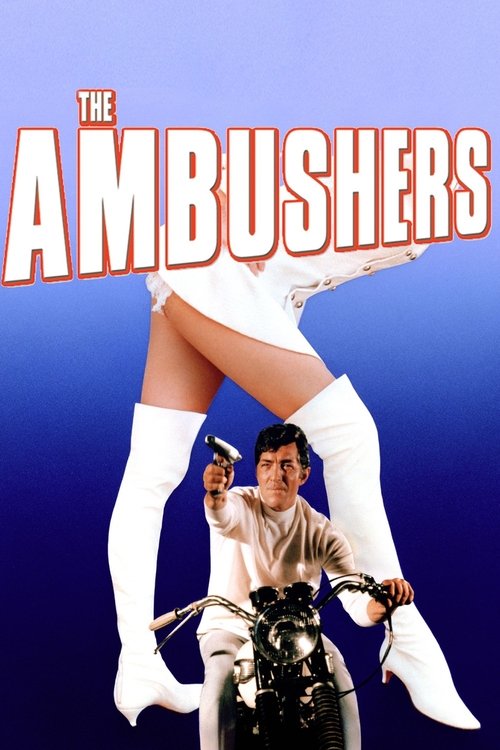
1967
No reviews yet. Be the first to share your thoughts on this movie!
Use the rating form above to leave a star rating and optional review.