Cheetah
1989
No user ratings available yet
Representation score: 5.1 out of 10
Representation Score
Minimal
1964
ApprovedDirector
Norman Tokar
Runtime
91 minutes
Average Rating
No ratings yetNew Showbiz Analysis
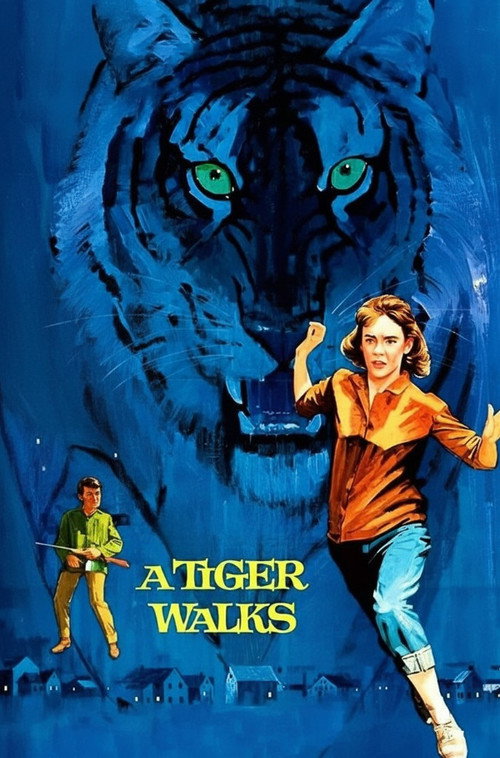
A Tiger Walks is a product of 1960s studio conventions, prioritizing wholesome storytelling and traditional social cohesion. While it features a strong female lead, the film’s structure largely reinforces existing hierarchies. The representation of race and gender is functional rather than transformative. The inclusion of an Indian trainer and a proactive female protagonist provides some diversity, but these elements do not challenge the era's standard social structures. Ultimately, the film functions as a study of individual compassion operating within established Western institutional norms.
Category Breakdown
The film adheres to an assumption that everyone is straight or cisgender. There are no LGBTQ+ characters or explorations of queer relationships.
The female protagonist plays a significant role in driving the story with strong moral convictions. However, the social structure remains patriarchal, with authority figures depicted through traditional masculine roles.
An Indian tiger trainer adds ethnic presence within the cast. While this offers some representation for the time, the character serves a functional plot role rather than deep development.
The narrative emphasizes traditional Western institutional values and civic responsibility. It highlights community response and structured fundraising rather than challenging social orders.
There are no prominent depictions of visible or invisible disabilities that drive the narrative or offer meaningful control to the characters.
Present on Screen
Limited or Absent
Official Synopsis
A tiger escapes from a circus truck as it passes by a small town, and hides itself in the surrounding woods. This throws the town into a panic and everyone wants the animal killed immediately, except for the daughter of the sheriff. She wants to capture the tiger and put it in a zoo, thereby saving the tiger's life. Her determination starts a nationwide campaign among children to raise the money to buy the tiger from the circus, but first, she, her father and an Indian tiger trainer must find the tiger before the National Guard do, who have orders to kill it on sight.
1989
1966
1960
1946

1974

1945

1995
1988
No reviews yet. Be the first to share your thoughts on this movie!
Use the rating form above to leave a star rating and optional review.