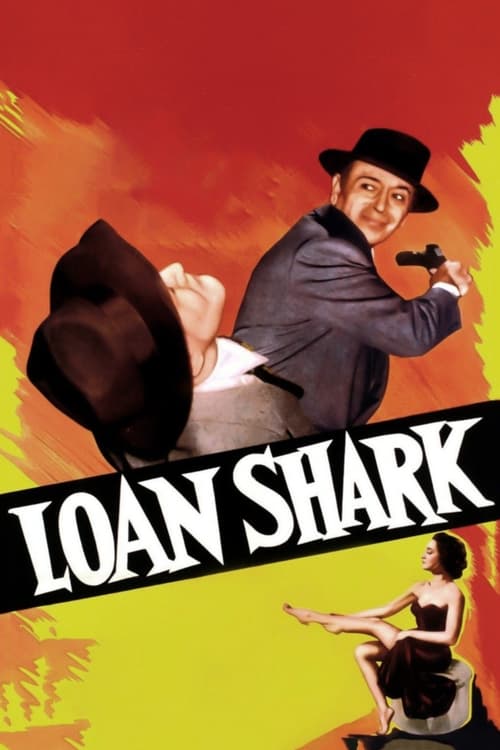
Loan Shark
1952
No user ratings available yet
Representation score: 1.2 out of 10
Representation Score
Limited
1942
PassedDirector
Curtis Bernhardt
Runtime
90 minutes
Average Rating
No ratings yetNew Showbiz Analysis
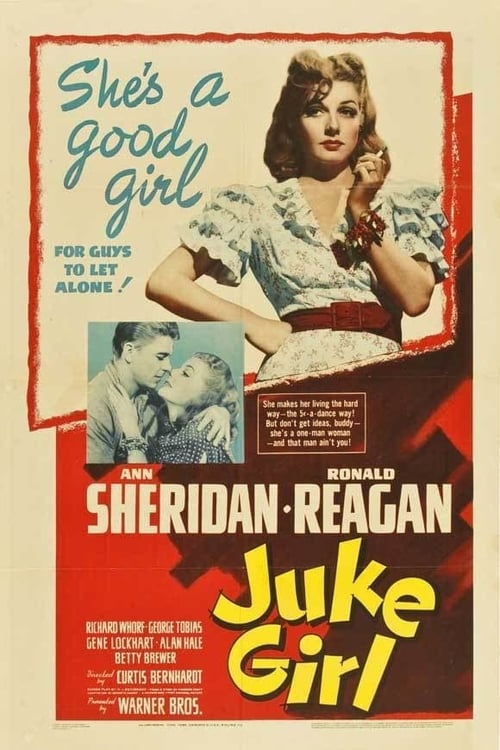
Juke Girl is a traditional 1940s studio melodrama that emphasizes class conflict and romantic tension over social subversion. While it offers a strong female lead with ability to act, the film stays true to the demographic and social norms of its time. The film's strength lies in its portrayal of socioeconomic struggles during the Great Depression. It highlights the hardships faced by workers against monopolistic forces. However, the film lacks diversity. It does not include characters of color, LGBTQ+ identities, or disability narratives, limiting its demographic range to early Hollywood standards.
Category Breakdown
The story centers around romantic relationships involving the female lead and several male characters. There are no hints of queer relationships or non-straight identities in the narrative.
Lola Mears shows strength while dealing with male-dominated environments. However, she remains confined to the traditional 'strong-willed woman' stereotype and typical romantic roles.
The cast is primarily white, dealing with class issues. There are no characters of color with significant roles or influence.
The story examines the economic gap between workers and powerful buyers. It looks at class conflicts through the lens of mid-century melodrama.
There are no visible or hidden disabilities that play a key role in the storylines. The film does not address disability in its social commentary.
Present on Screen
Limited or Absent
Official Synopsis
During the depths of the Great Depression a hitch-hiker Steve Talbot and jukebox-joint hostess Lola Mears stumble into Cat-Tail Florida where farmers and pickers struggle under the buyer who rules by monopoly, dirty contracts and violence. Steve helps organize against the buyer, leading to further escalation ending in a lynch mob.
1952

1958

1932
1937

1937
1940

1936

1930
No reviews yet. Be the first to share your thoughts on this movie!
Use the rating form above to leave a star rating and optional review.