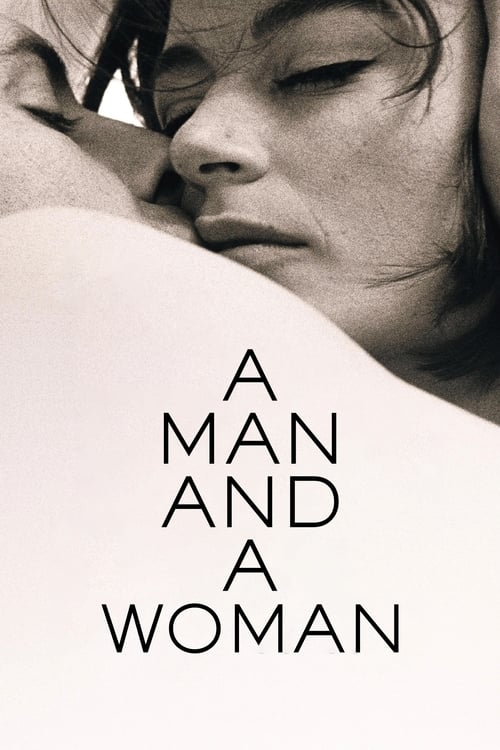
A Man and a Woman
1966
No user ratings available yet
Representation score: 4.2 out of 10

Representation Score
Limited
1986
PGDirector
Claude Lelouch
Runtime
112 minutes
Average Rating
No ratings yetNew Showbiz Analysis
Claude Lelouch’s drama focuses on the subjective nature of memory and the continuity of a romantic connection. While the film offers a refreshing portrayal of female professional authority through Anne, it remains anchored in a very traditional demographic framework. The film lacks depth in representing multiple aspects of identity, functioning primarily as a localized French character study. It avoids systemic social critique, opting instead to explore the personal complexities of aging and creative struggle. Ultimately, the work succeeds in giving its female lead intellectual authority but fails to provide meaningful representation for LGBTQ+ or racially diverse communities.
Category Breakdown
The story centers on a traditional romance between two heterosexual individuals. There is no representation of non-binary gender identities or narratives that challenge standard gender norms.
Anne is depicted as a powerful, big-time director with significant professional influence. This role challenges traditional stereotypes of female passivity and domesticity.
The film maintains a homogeneous casting profile typical of its European setting. It lacks significant racial or ethnic diversity within the primary cast.
The narrative prioritizes individual emotional truth over institutional morality. It explores themes of memory and professional failure rather than systemic social critiques.
No visible or invisible disabilities are central to the narrative arc. There is no indication of characters living with disabilities.
Present on Screen
Limited or Absent
Official Synopsis
Jean-Louis and Anne have had their fling and separated. Now 20 years have passed. He is still dating various women. She is now a big-time director whose most recent film was a very expensive bomb. She comes up with the idea of making a romance based upon her fling with Jean-Louis. She contacts him to gain his permission. Jean-Louis is still in racing and goes away for a desert rally while she begins filming. She finds the mood of their romance difficult to recapture in her film.
1966

1961
2019

1971
2004
1997
1969
1979
No reviews yet. Be the first to share your thoughts on this movie!
Use the rating form above to leave a star rating and optional review.