
Nuremberg: The Nazis Facing their Crimes
2006
No user ratings available yet
Diversity score: 1.9 out of 10
2010
Director
Boris Malagurski
Runtime
125 minutes
Average Rating
No ratings yetSynopsis
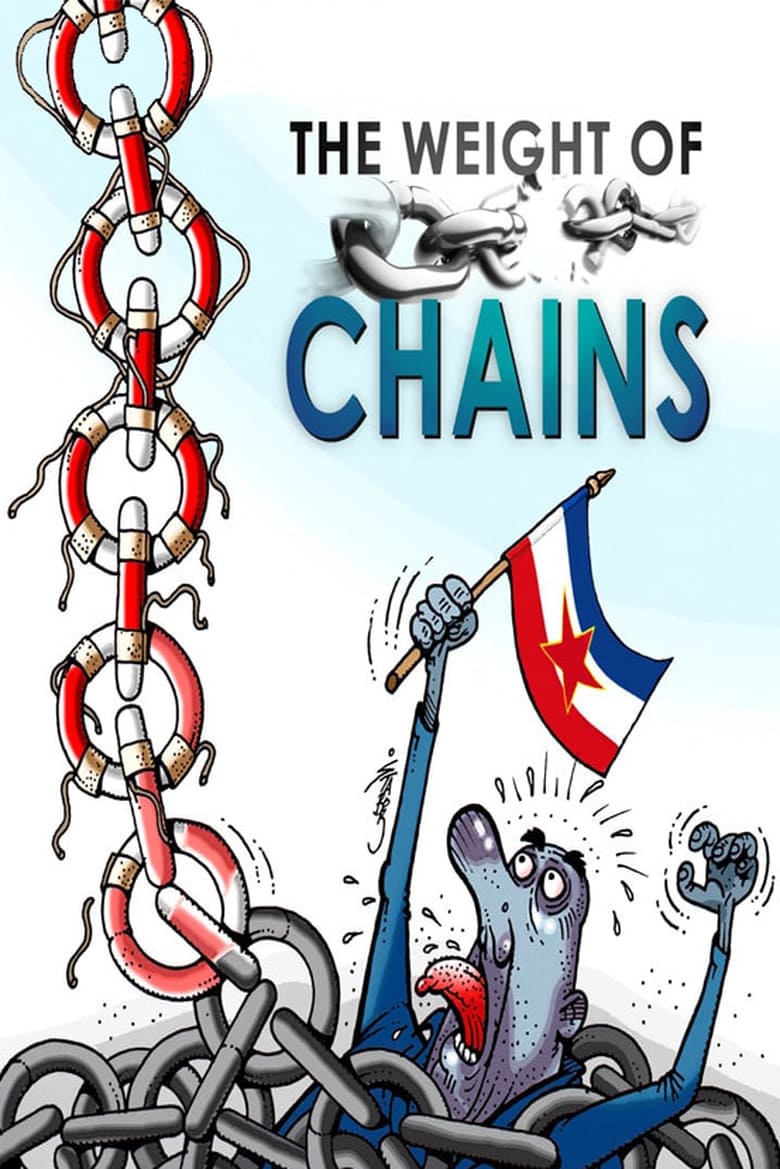
The Weight of Chains is a Canadian documentary film that takes a critical look at the role that the US, NATO and the EU played in the tragic breakup of a once peaceful and prosperous European state - Yugoslavia. The film, bursting with rare stock footage never before seen by Western audiences, is a creative first-hand look at why the West intervened in the Yugoslav conflict, with an impressive roster of interviews with academics, diplomats, media personalities and ordinary citizens of the former Yugoslav republics. This film also presents positive stories from the Yugoslav wars - people helping each other regardless of their ethnic background, stories of bravery and self-sacrifice.
Overall Score
Limited
Category Breakdown
LGBTQ+ Representation
The documentary focuses exclusively on geopolitical shifts and ethnic conflicts. There is no discernible presence of LGBTQ+ characters or narratives exploring non-heteronormative identities.
Gender Representation
The narrative is heavily weighted toward masculine spheres of power, such as military and statecraft. It does not actively highlight female agency to disrupt conventional historical storytelling.
Racial & Ethnic Diversity
The film provides significant visibility to the diverse ethnic landscape of the Balkan Peninsula. It centers the perspectives of Serbs, Croats, and other regional ethnic groups.
Religious & Cultural Diversity
The film emphasizes traditional religious institutions, specifically the Orthodox Church, as central to identity. It also presents a robust critique of communist and Marxist-Leninist frameworks.
Disability Representation
There is no evidence of subjects being portrayed through the lens of physical or neurodivergent disabilities. Disability is not used as a narrative device.
Strengths
Areas for Improvement
AI Analysis
The Weight of Chains serves as a historical counter-narrative that prioritizes regional sovereignty and ethnic identity over modern intersectional frameworks. While it succeeds in giving a platform to Balkan voices, its focus remains strictly on macro-political and nationalist themes. The film's ideological leanings toward traditionalism and religious identity result in a lack of representation for progressive social categories. It functions as a study of statecraft and conflict rather than a study of individual identity politics. Ultimately, the documentary's strength lies in its ethnic specificity, but its narrow focus on military and political history leaves little room for diverse social or gendered perspectives.
2006
2012
2005

2016
2013

2017
2012

2003

2011
2018
2004

2004
No reviews yet. Be the first to share your thoughts on this movie!
Use the rating form above to leave a star rating and optional review.