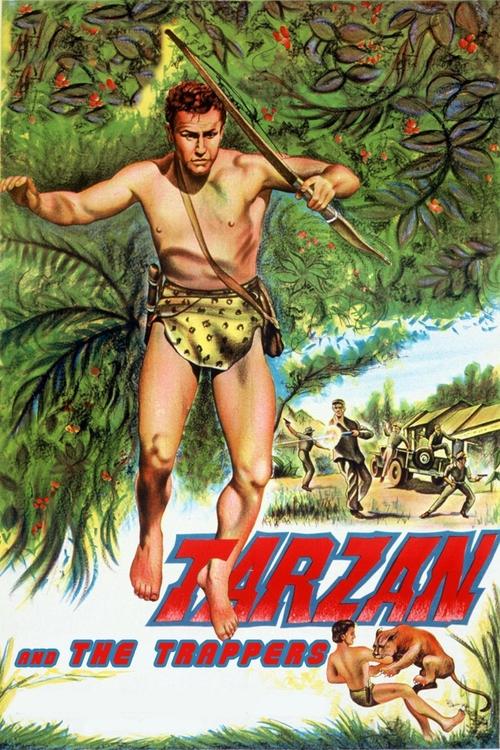
Tarzan and the Trappers
1958
No user ratings available yet
Representation score: 0.3 out of 10
Representation Score
Minimal
1964
PGDirector
Robert F. Hill
Runtime
89 minutes
Average Rating
No ratings yetNew Showbiz Analysis
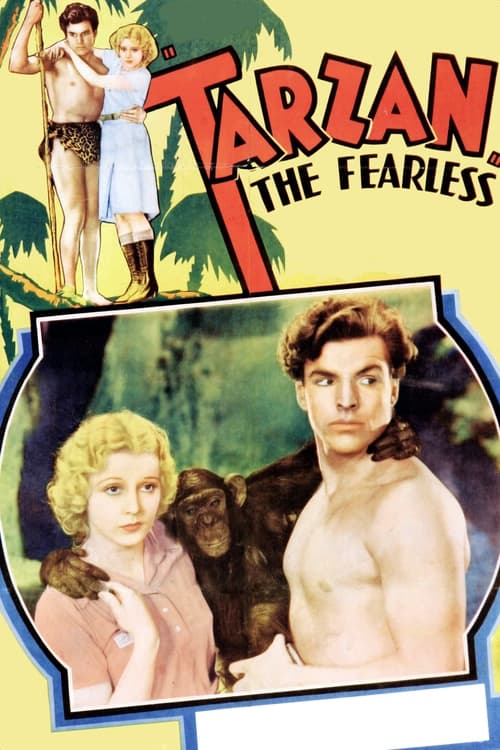
Tarzan the Fearless is a quintessential mid-century adventure that reinforces established social hierarchies. The film relies on colonial-era narrative structures, centering the Western hero as the primary agent of change in a foreign environment. Representation is limited to traditional archetypes, and the film lacks multi-layered identities, instead prioritizing physical ability to act and a clear-cut, binary morality that reflects the era of its original production.
Category Breakdown
The film does not include any visible LGBTQ+ characters or identities that challenge the assumption that everyone is straight or cisgender. It adheres strictly to the conventions that assume everyone is straight or cisgender, reflecting the 1930s serial era.
Gender roles remain traditional, with Jane serving as a reactive character who needs rescuing. Masculinity is defined through physical dominance and the protector archetype.
Casting is predominantly white, centering on the Western explorer archetype. Indigenous populations are portrayed using mid-century stereotypes as primitive or antagonistic.
The narrative promotes a Western heroic framework and the 'law of the jungle.' It lacks moral relativism or critiques of Western institutions.
There are no notable depictions of visible or invisible disabilities. Characters are defined solely by their physical prowess and survival capabilities.
Present on Screen
Limited or Absent
Official Synopsis
Re-edited, feature film version of the 1933 serial, Tarzan the Fearless, sold to television in the mid-1960's.
1958
1936
1938
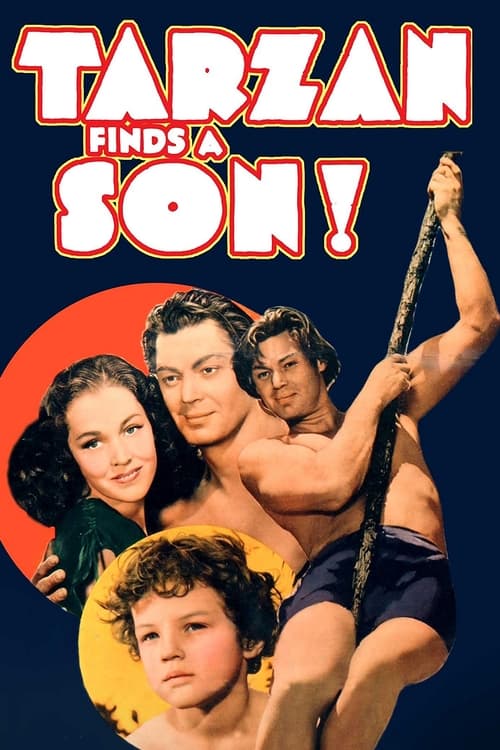
1939
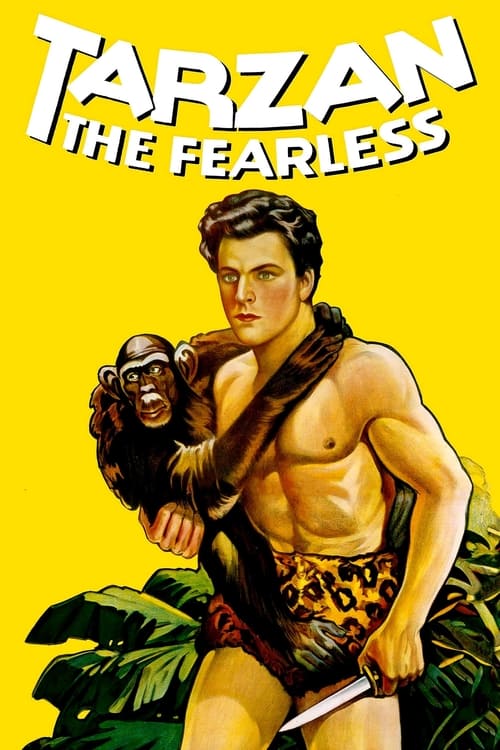
1933
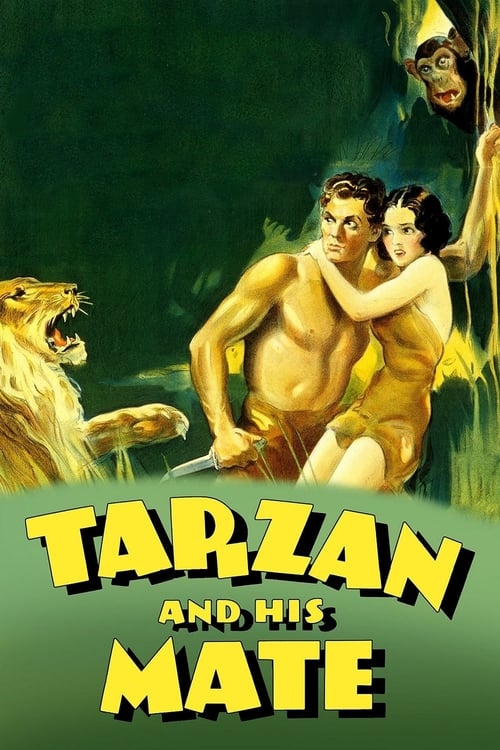
1934
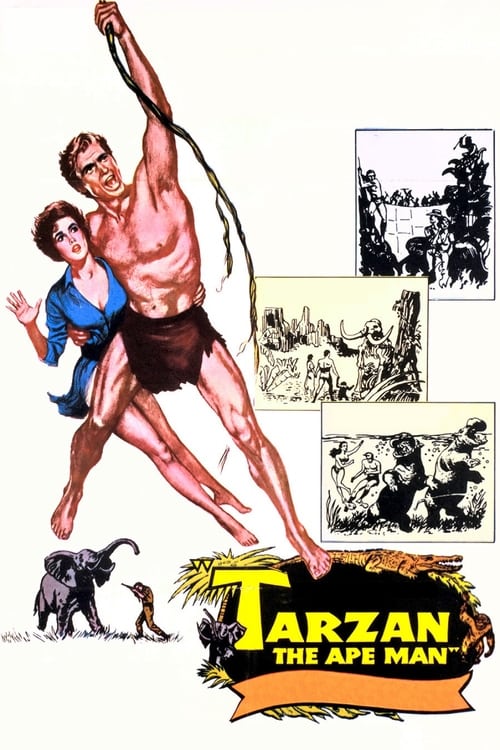
1959
1932
No reviews yet. Be the first to share your thoughts on this movie!
Use the rating form above to leave a star rating and optional review.