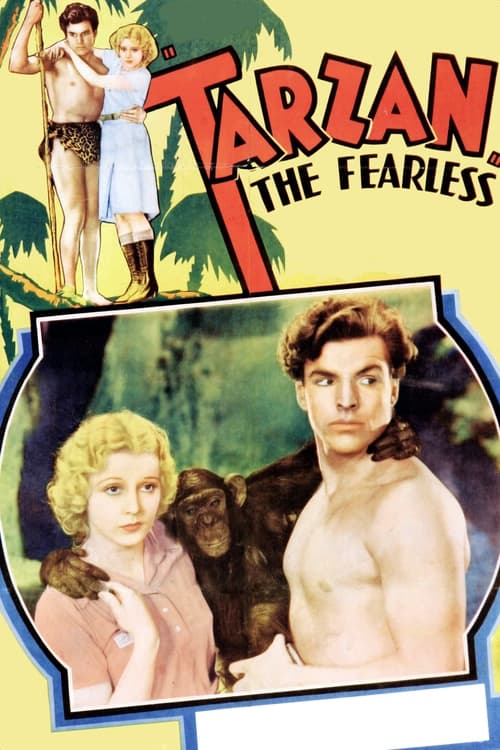
Tarzan the Fearless
1964
No user ratings available yet
Representation score: 0.4 out of 10
Representation Score
Minimal
1960
NRDirector
Charles F. Haas, Sandy Howard, H. Bruce Humberstone
Runtime
70 minutes
Average Rating
No ratings yetNew Showbiz Analysis
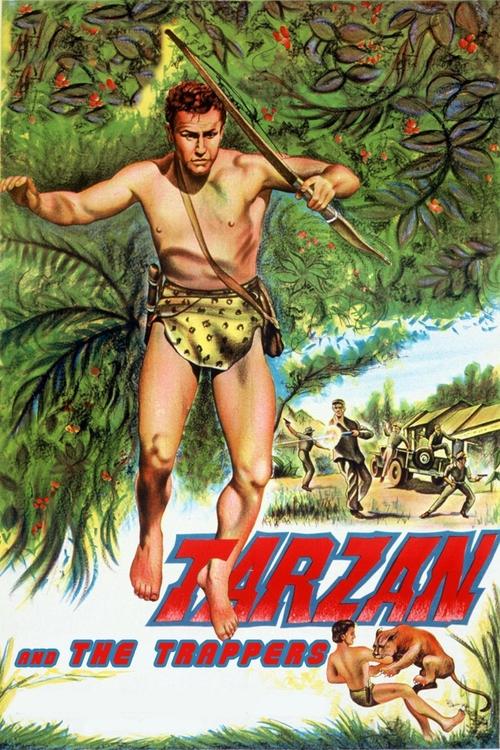
Tarzan and the Trappers reinforces mid-century social and cultural norms. The narrative relies on traditional archetypes, such as the competent male protector and the passive female companion, to propel the adventure. The film does not aim to disrupt conventional expectations of identity or power. Instead, it presents a standardized portrayal of heroism and morality aligned with the conservative values of the late 1950s. Ultimately, the production adheres to the demographic and social hierarchies of its era, presenting a homogeneous view of the wilderness experience without engaging in moral relativism.
Category Breakdown
The film does not feature any identifiable LGBTQ+ characters or non-cisgender identities.
Tarzan is portrayed as the main protector and action hero. The female lead often plays a supportive or rescue-dependent role.
The cast is predominantly white, typical of 1950s adventure films. Characters of color have minimal presence or influence.
The story highlights traditional Western values and a clear moral divide. It centers on individualist adventure without challenging systemic structures.
There is no visible representation of physical, sensory, or neurodivergent disabilities. Characters are defined by their physical abilities needed for action.
Present on Screen
Limited or Absent
Official Synopsis
Tarzan goes up against a baddie by the name of Schroeder, who is trapping animals and selling them illegally to zoos. A twist is thrown into the plot when Schroeder's brother, with the help of money-hungry trader Lapin, hunts a different kind of quarry, human game. Now Tarzan must not only fight to save the animals of the jungle, but he must also save himself. Three episodes of a failed TV series edited for theater release.
1964
1936
1947
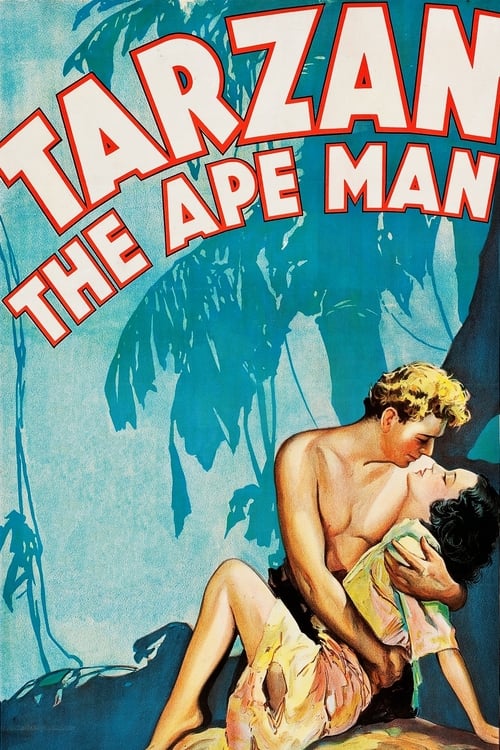
1932
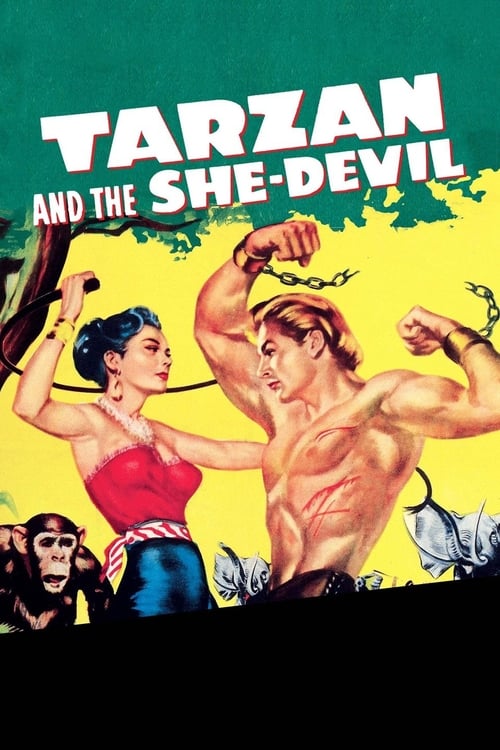
1953
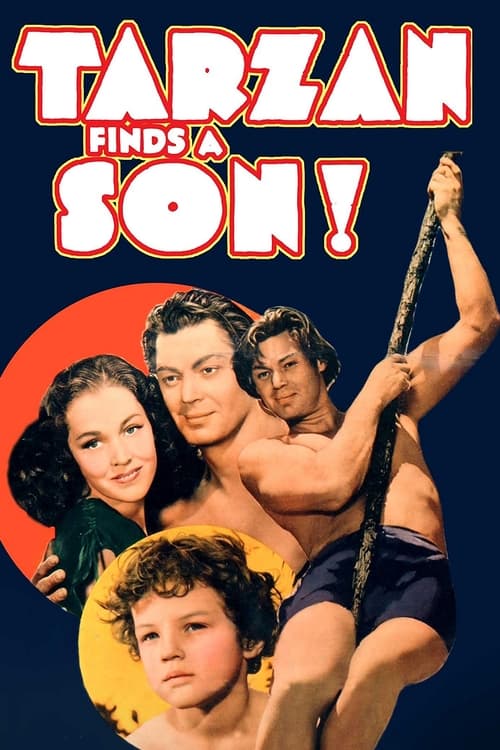
1939
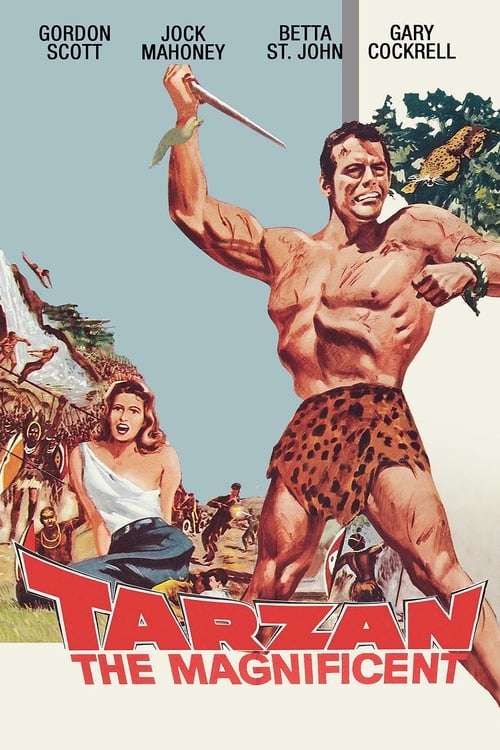
1960
1979
No reviews yet. Be the first to share your thoughts on this movie!
Use the rating form above to leave a star rating and optional review.