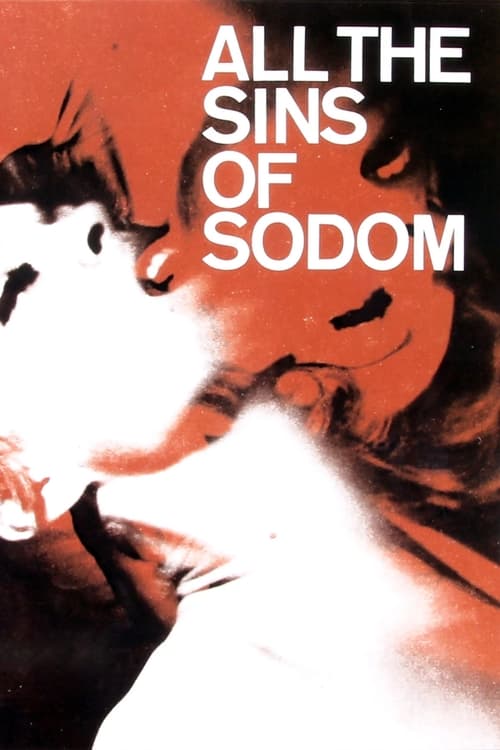
All the Sins of Sodom
1968
No user ratings available yet
Diversity score: 4.2 out of 10
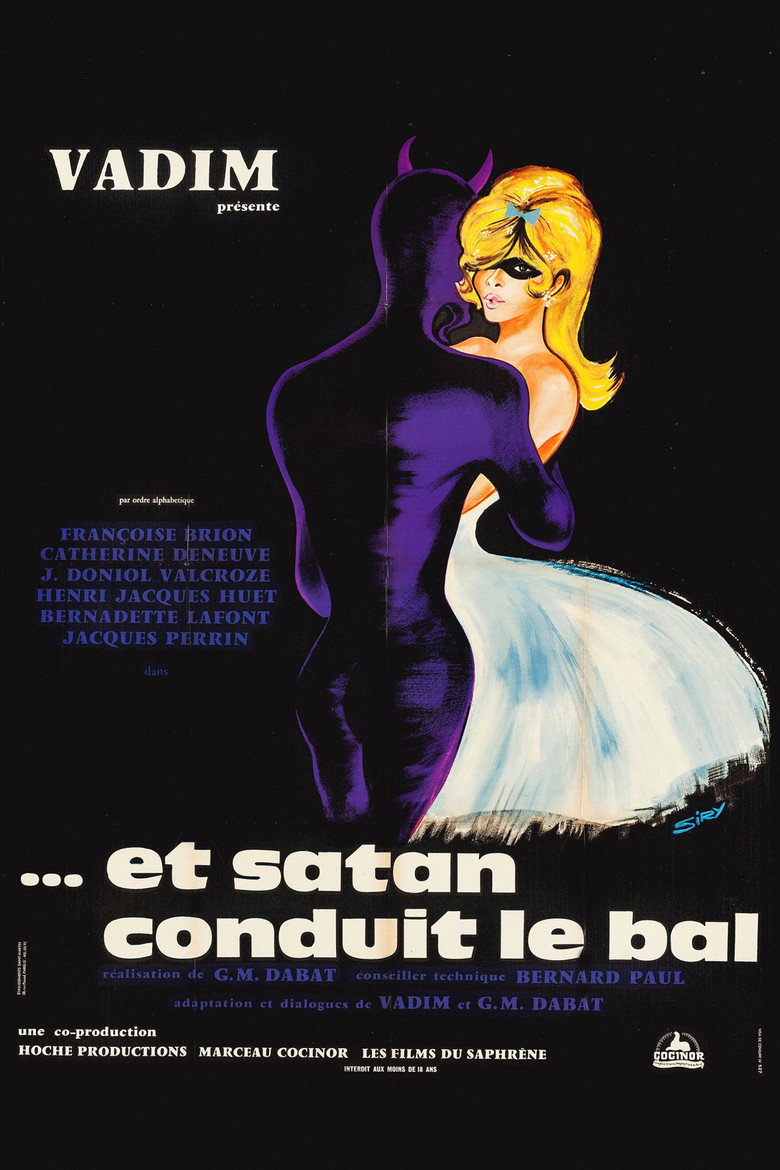
1962
Director
Grisha N. Dabat
Runtime
82 minutes
Average Rating
No ratings yetSynopsis
On a sun-kissed beach, six people linger lazily, each confident of fulfilling his or her desires before the day is out. A wealthy heiress, Emmanuelle, has designs on a handsome adolescent, Ivan, but his interests lie elsewhere. Having gratified Emmanuelle’s womanly needs, Ivan immediately sets out to make his next conquest, the mistress of a well-known writer...
Overall Score
Fair
Category Breakdown
LGBTQ+ Representation
The narrative focuses on heterosexual conquests, such as the interaction between Emmanuelle and Ivan. While it explores fluid desires, there is no explicit evidence of non-cisnormative identities or same-sex intimacy.
Gender Representation
The film disrupts traditional hierarchies by centering female agency through characters like Emmanuelle. She acts as an active pursuer of her needs rather than a passive object of desire.
Racial & Ethnic Diversity
The setting and character descriptions suggest a homogeneous social group. There is no evidence of a diverse cast or the use of non-Anglo-Saxon characters to challenge norms.
Religious & Cultural Diversity
The story prioritizes individual impulse over institutional or religious morality. It suggests a critique of traditional restraint in favor of a secular, hedonistic worldview.
Disability Representation
There is no mention of characters with visible or invisible disabilities within the narrative.
Strengths
Areas for Improvement
AI Analysis
And Satan Calls the Turns is a character-driven drama centered on hedonism and interpersonal power dynamics. The film explores a cycle of individual conquests and the pursuit of immediate gratification, focusing on subjective morality and the deconstruction of social restraints. While the film offers some progressive elements for its era, such as centering female desire, it remains limited by a lack of intersectional depth. The narrative operates within a relatively narrow social vacuum that lacks racial or LGBTQ+ diversity. Ultimately, the film's strength lies in its subversion of traditional moral rigidity rather than its breadth of representation.
1968

1966
1970
1975

1984
2007

1963

1961
1968
1972
1976
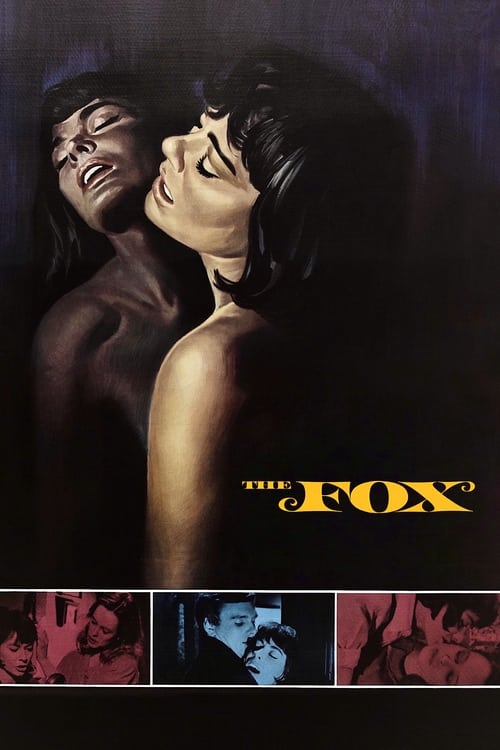
1967
No reviews yet. Be the first to share your thoughts on this movie!
Use the rating form above to leave a star rating and optional review.