
Bucking the Truth
1926
No user ratings available yet
Diversity score: 3.2 out of 10
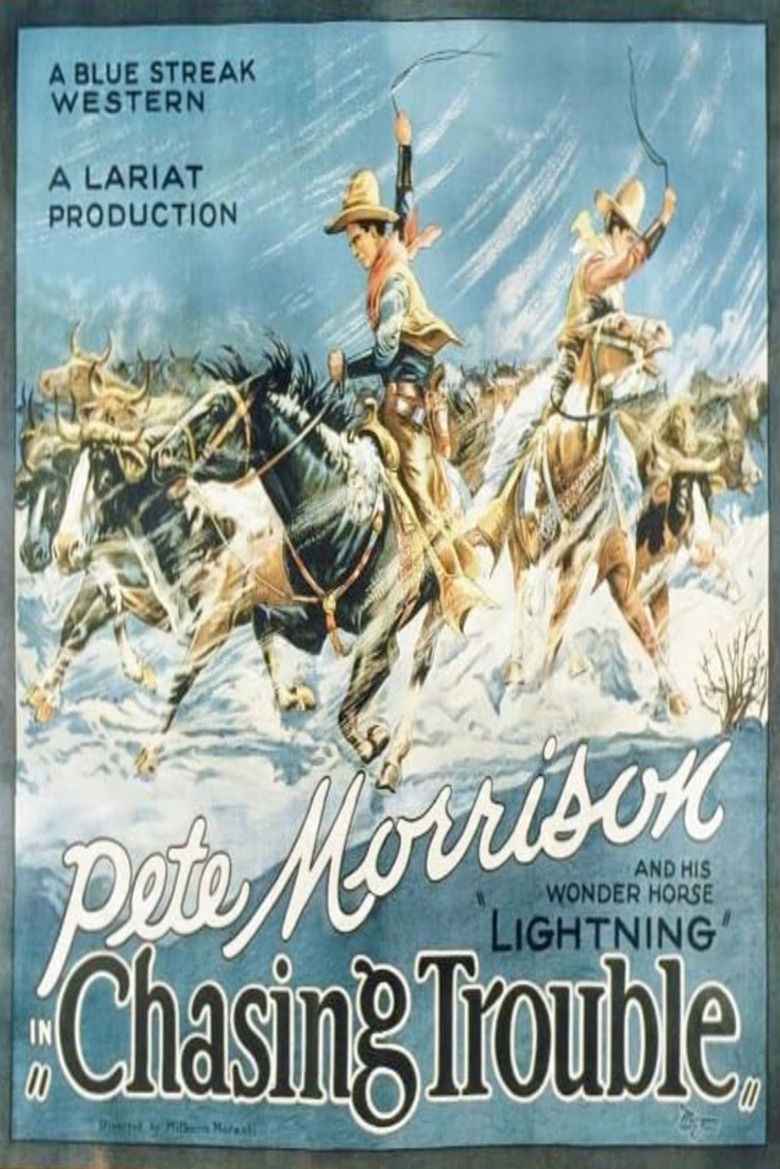
1926
PassedDirector
Milburn Morante
Runtime
50 minutes
Average Rating
No ratings yetSynopsis
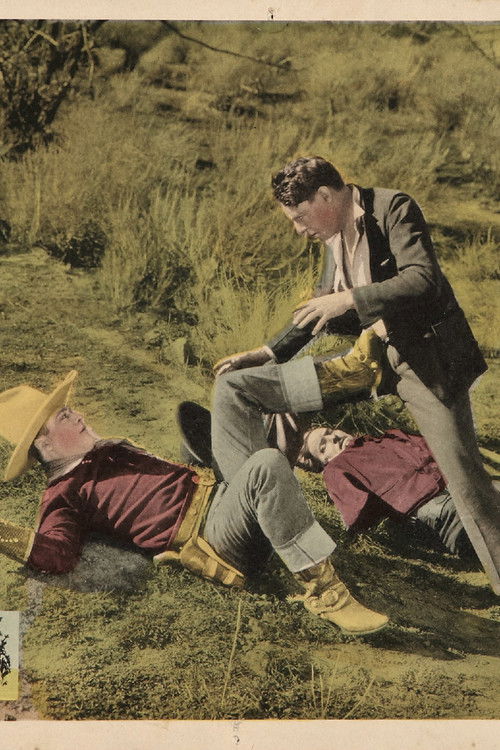
"Blizz" Ballard, summoned by the Homesteaders' League to track down a gang of cattle rustlers, arrives in Paradise Valley. In the saloon, he is taunted by Jerome Garrett, who hopes to intimidate him but is himself beaten in a fight. Ballard, after proving himself by riding an outlaw horse, is taken on at the Gregg ranch. Garrett, in the family's favor and admired by Emily, the judge's daughter, accuses Ballard of being a cattle thief, while his accomplices capture and torture the sheriff.
Overall Score
Limited
Category Breakdown
LGBTQ+ Representation
The film lacks any evidence of non-cisnormative identities or same-sex intimacy. It relies on traditional romantic and adversarial dynamics common to the Western genre.
Gender Representation
Male protagonists drive the central conflict, while female characters occupy secondary, reactive roles. Emily's agency is limited to her admiration for male figures rather than independent action.
Racial & Ethnic Diversity
The narrative focuses on a homogeneous cast of homesteaders and rustlers. It reflects the era's tendency toward Anglo-centric storytelling without visible non-white characters.
Religious & Cultural Diversity
The story emphasizes frontier morality and the protection of property and law. It reinforces established social institutions rather than critiquing Western expansionism.
Disability Representation
There is no visible evidence regarding the portrayal of physical or neurodivergent disabilities.
Strengths
Areas for Improvement
AI Analysis
Chasing Trouble is a conventional 1920s Western that reinforces historical social hierarchies. The narrative structure prioritizes male-driven action and adheres to the standard demographic compositions of its era. The film functions as a traditional genre piece, focusing on the restoration of order and the protection of ranch property. It lacks the demographic breadth or narrative complexity needed to challenge cultural norms. Ultimately, the work relies on established archetypes and homogeneous casting, offering little representation outside of the dominant social frameworks of the time.
1926
1931
1939
1928
1926
No reviews yet. Be the first to share your thoughts on this movie!
Use the rating form above to leave a star rating and optional review.