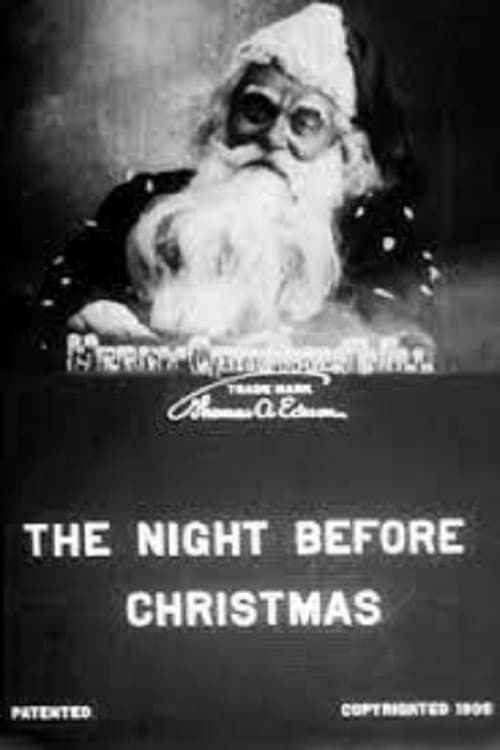
The Night Before Christmas
1905
No user ratings available yet
Representation score: 0.3 out of 10
Representation Score
Minimal
1925
Not RatedDirector
Frank E. Kleinschmidt
Runtime
29 minutes
Average Rating
No ratings yetNew Showbiz Analysis
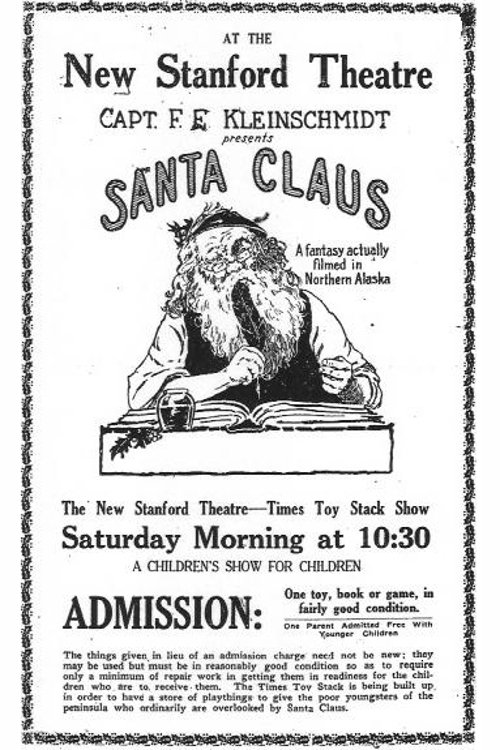
Santa Claus (1925) is a product of its era, functioning as a traditionalist fantasy that reinforces established cultural myths. The narrative structure is built around a singular, authoritative paternal figure, which maintains a rigid social hierarchy. The film lacks intentionality regarding the way different parts of someone's identity overlap. It adheres strictly to Western folkloric traditions and the demographic norms of early 20th-century cinema, offering little room for diverse perspectives or social subversion.
Category Breakdown
The film focuses on a traditional seasonal mythos centered on childhood curiosity. It doesn't depict any non-binary gender identities or narratives that challenge the assumption that everyone is straight or cisgender.
The story centers on a hierarchical power dynamic between children and a paternalistic figure. It doesn't subvert traditional gender roles or explore non-traditional masculinity.
The narrative relies on Western folkloric traditions within a mythic 'Land of Winter.' It reflects the homogeneous demographic norms typical of 1920s Western cinema.
The film celebrates traditional Western seasonal customs and the stability of mythic figures. It promotes social cohesion without critiquing Western institutions or exploring moral relativism.
The film provides no evidence of characters with visible or invisible disabilities.
Present on Screen
Limited or Absent
Official Synopsis
Two children sneak out of their bedroom on the night of December 24th, so they can ask Santa Claus what he does the rest of the year. Santa tells the children about his life in the Land of Winter, and about how he keeps an eye on all the children in the world.
1905

2007
1972
1976
1966
1970
1898

1985
No reviews yet. Be the first to share your thoughts on this movie!
Use the rating form above to leave a star rating and optional review.