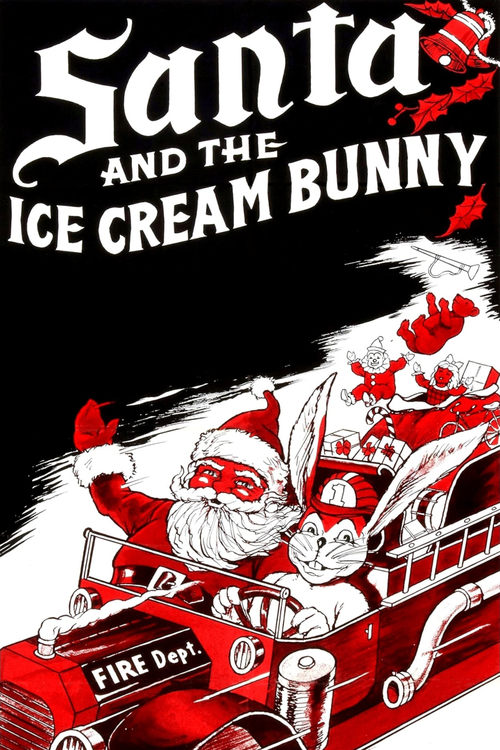
Santa and the Ice Cream Bunny
1972
No user ratings available yet
Representation score: 1.2 out of 10
Representation Score
Minimal
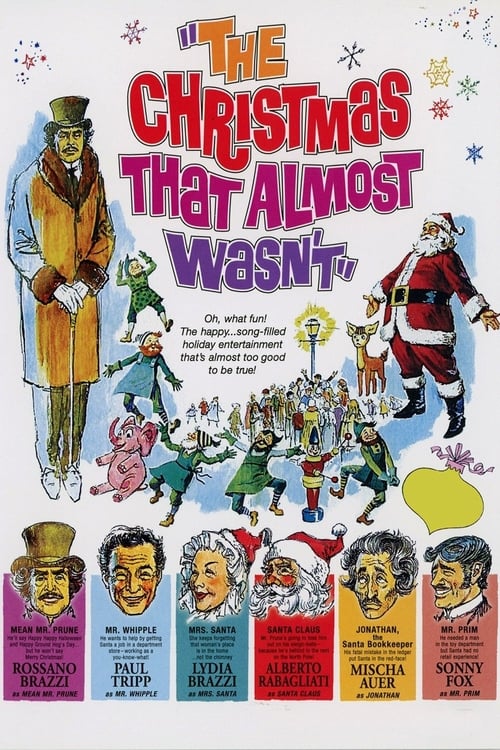
1966
GDirector
Rossano Brazzi
Runtime
89 minutes
Average Rating
No ratings yetNew Showbiz Analysis
The film upholds traditional cultural hierarchies and reinforces established norms from its 1966 production era. It prioritizes the protection of Western festivities and adheres strictly to the demographic and gendered norms of the time. Much of the storytelling revolves around male protagonists resolving a legalistic conflict, reinforcing conventional social roles without significant narrative disruption. Overall, the film functions as a typical mid-century family entertainment piece, emphasizing the preservation of tradition without exploring diverse perspectives or identities.
Category Breakdown
The film follows the traditional family dynamics typical of 1960s family fantasies, focusing on the nuclear family of Santa and Mrs. Claus without showing any non-traditional gender identities.
The story is driven by male characters such as Sam Whipple and Santa Claus. Mrs. Claus plays a central role but within traditional domestic expectations and hierarchical structures.
The cast reflects the homogeneous demographics typical of 1966, with no indication of a diverse or non-Anglo-Saxon majority cast within this Western folklore framework.
The narrative centers on preserving Christmas as a quintessential Western tradition, promoting the sanctity of the holiday spirit without critiquing Western institutions.
There is no information about characters with visible or invisible disabilities, so no assessment of representation or ability to act can be made.
Present on Screen
Limited or Absent
Official Synopsis
Sam Whipple, an attorney in once-upon-a-time-land, is startled to receive a visit from Santa Claus shortly before Christmas. It seems that when he was a child, Sam wrote a letter thanking Santa for the presents he'd received, and offering to return the favor someday. That day is now - a mean old soul named Phineas Prune, who holds the deed to the North Pole, is demanding back rent. Otherwise, he's going to evict Santa, Mrs. Claus and the elves and take all the Christmas toys. It's up to Sam and Santa to find a way to pay off Prune and prevent Christmas from being canceled.
1972
1976
1905
2007
1925
2017
1979
1970
No reviews yet. Be the first to share your thoughts on this movie!
Use the rating form above to leave a star rating and optional review.