Gettysburg
2011
No user ratings available yet
Representation score: 1.3 out of 10
Representation Score
Minimal
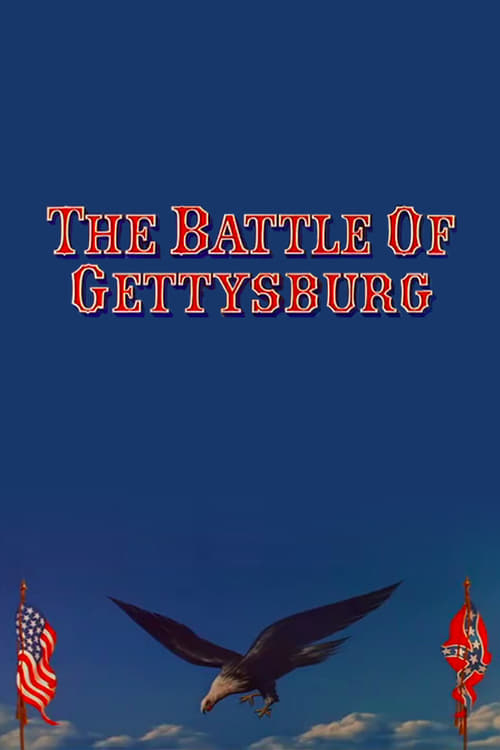
1955
ApprovedDirector
Herman Hoffman
Runtime
30 minutes
Average Rating
No ratings yetNew Showbiz Analysis
The Battle of Gettysburg film preserves a traditional view of American military history. It uses a lens of historical romanticism focusing on tactical movements and monumental aspects of the Civil War while ignoring diverse identities. The film reinforces established historical hierarchies and mid-19th-century institutional structures. By highlighting statues of commanders and the battlefield’s geography, it presents a homogeneous view of the conflict. Ultimately, the production upholds nationalistic sentiment and the veneration of military command. It avoids challenging power dynamics, presenting a structured, authoritative view of national identity.
Category Breakdown
The film does not include any characters who identify as LGBTQ+. The story focuses solely on traditional military brotherhood and excludes any exploration of gender identity beyond cisgender norms.
The narrative centers almost exclusively on male military leaders and combatants. Women are not featured in tactical discussions and appear only in supporting or domestic roles, reinforcing traditional gender hierarchies.
The documentary emphasizes the tactical movements of white leadership and the physical geography of the battlefield. It overlooks the lived experiences and ability to act of Black Americans involved in the conflict.
The film celebrates Western institutional history and patriotism. By concluding with the Gettysburg Address, it reinforces the sanctity of the American state and its foundational political rhetoric.
There is no focus on neurodivergence, physical disabilities, or chronic illnesses. Soldiers are shown as a collective military force without individual stories centered on disability.
Present on Screen
Limited or Absent
Official Synopsis
This film was shot entirely at the Gettysburg National Military Park, where the decisive battle of the American Civil War was fought. Leslie Nielsen narrates the story while contemporary songs and the sounds of battle are heard in the background. The sites of the various engagements, the statues of the leaders of the Northern and Southern troops, and the battlefield cemetery are featured. President Abraham Lincoln's Gettysburg Address is read at the end.
2011
1993
2012
2018
2014
2004

2003
1962
No reviews yet. Be the first to share your thoughts on this movie!
Use the rating form above to leave a star rating and optional review.