Multiple Personality Disorder: The Search for Deadly Memories
1993
No user ratings available yet
Representation score: 5.8 out of 10
Representation Score
Good
2020
TV-MADirector
Alex Gibney
Runtime
117 minutes
Average Rating
No ratings yetNew Showbiz Analysis
Alex Gibney’s documentary succeeds by treating complex psychological conditions with academic depth rather than sensationalism. The film’s greatest strength lies in its empathetic and rigorous portrayal of neurodivergence, giving real power to those navigating mental instability. By examining how mid-20th-century patriarchal structures impacted the psyche, the film offers a meaningful critique of gendered hierarchies. This systemic lens elevates the work beyond a simple clinical study, turning it into a critique of institutional failures. However, the film remains limited by its narrow demographic focus. The lack of racial diversity and the absence of LGBTQ+ narratives result in a relatively homogeneous perspective that misses broader social complexities.
Category Breakdown
The film does not center on LGBTQ+ identities or critiques of heterosexuality. It lacks explicit depictions of LGBTQ+ identities or challenges to traditional heterosexual relationships.
The narrative provides a sophisticated examination of gendered constraints and patriarchal structures. It effectively challenges traditional views of female stability by framing the struggle for control against a restrictive social backdrop.
The documentary centers on a specific historical and clinical context that is largely homogeneous. It does not prioritize racial or ethnic diversity as a central component of its investigative framework.
The film offers a critical look at historical Western medical and psychiatric establishments. It frames these institutions as potentially flawed, prioritizing a nuanced understanding of mental illness and social behavior.
The documentary excels in its treatment of neurodivergence and mental health. It avoids spectacle, instead giving real power to subjects through a rigorous, empathetic, and academic investigation into psychological disorders.
Present on Screen
Limited or Absent
Official Synopsis
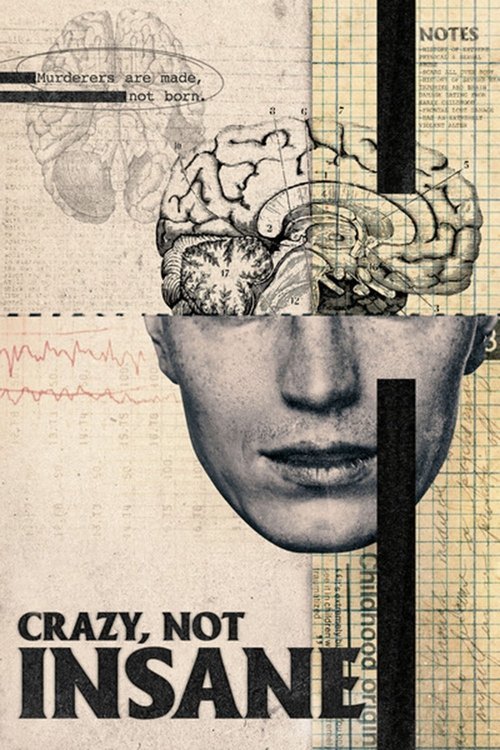
Fascinated by the human brain and its capacity for ruthlessness, psychiatrist Dr. Dorothy Otnow Lewis has spent her life investigating the interior lives of violent people. With each case, she came closer to developing a unified field theory of what makes a killer. Along the way - steering away from the conventional wisdom of her colleagues - she explored the world of multiple personality disorder.
1993

2011
2026
2015
2021
2003
2013
2016
No reviews yet. Be the first to share your thoughts on this movie!
Use the rating form above to leave a star rating and optional review.