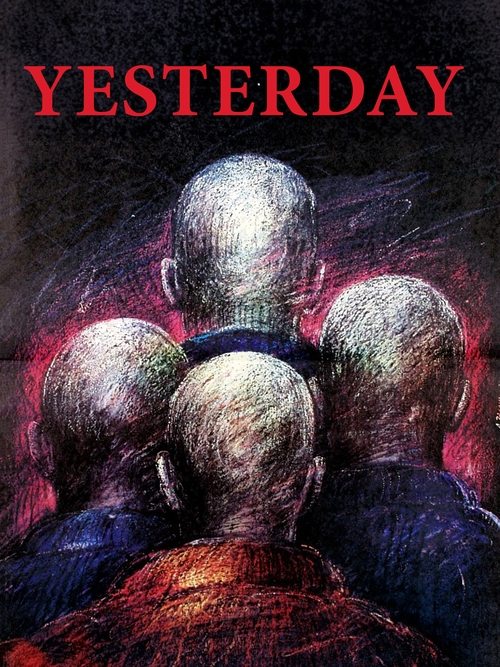
Yesterday
1985
No user ratings available yet
Representation score: 4.7 out of 10
Representation Score
Fair
1992
Director
Nobuhiko Obayashi
Runtime
135 minutes
Average Rating
No ratings yetNew Showbiz Analysis
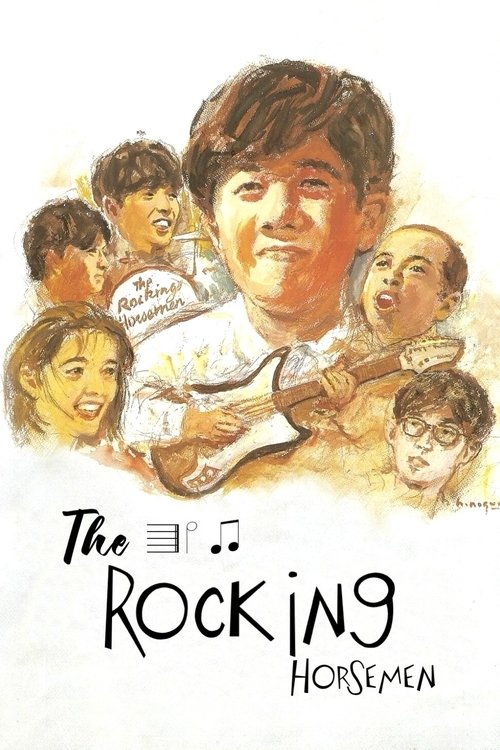
Nobuhiko Obayashi’s film is a nostalgic, character-driven comedy that emphasizes period authenticity and cultural specificity. It captures the impact of global pop culture on the identity of Japanese youth during the 1960s. The narrative centers on a male-dominated social circle, creating a localized, homogeneous experience that reflects the era's social structures rather than challenging them. While the film lacks multi-layered disruption, it succeeds as a cultural exploration of how external artistic influences, such as The Ventures, shape internal community dynamics and individual passion.
Category Breakdown
The film focuses on the camaraderie of a high-school band in 1965 Japan. There are no explicit LGBTQ+ characters or narratives that question the assumption that everyone is straight or cisgender.
The story centers on a boys' band, reflecting a traditional masculine social circle within mid-century frameworks. The narrative architecture highlights a male-dominated social structure.
Set in 1960s Japan, the cast is ethnically uniform. This reflects the historical and geographic reality of the setting and its specific cultural context.
The film examines the blend of Western music and Japanese local life. It portrays a nostalgic, celebratory view of small-town life and traditional communal values.
There is no information regarding the presence of characters with visible or invisible disabilities.
Present on Screen
Limited or Absent
Official Synopsis
It is 1965. High-school student Takeyoshi Fujiwara hears "Pipeline" by the Ventures, and is mesmerized by their unique sound. With three friends, he forms a band called "The Rocking Horsemen." A warm and comic glimpse into high-school and small-town life in Japan in the 60's.
1985

2005

2008

1995
2010

1979
1963

1991
No reviews yet. Be the first to share your thoughts on this movie!
Use the rating form above to leave a star rating and optional review.