
Let's Go, Jets!
2017
No user ratings available yet
Representation score: 4.5 out of 10
Representation Score
Fair
2017
Director
Yûichi Onuma
Runtime
109 minutes
Average Rating
No ratings yetNew Showbiz Analysis
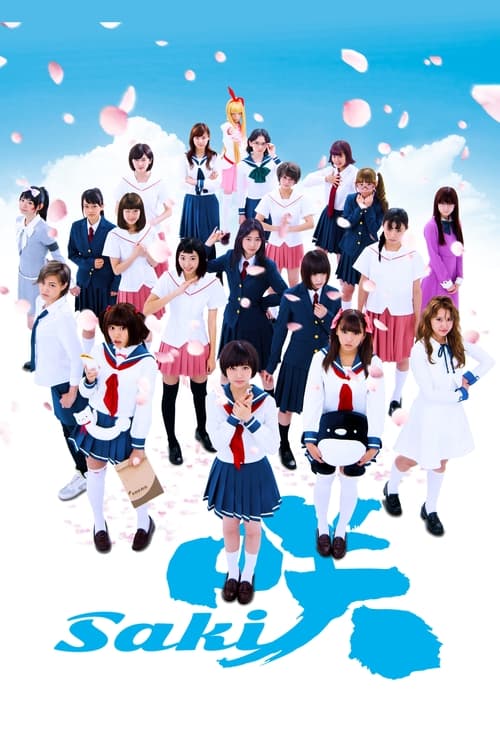
Saki (2017) is a highly specialized production that prioritizes a specific subculture and demographic. The film succeeds in challenging traditional gender hierarchies by centering its plot on female tactical mastery and ability to act. However, the film's impact is limited by its homogeneity. The cast reflects a narrow ethnic context, and the narrative lacks explicit LGBTQ+ representation or multi-layered depth. Ultimately, while the film provides strong representation for female characters in a competitive space, it remains a culturally specific story with limited breadth in other diversity categories.
Category Breakdown
The film focuses on the competitive dynamics of a high school mahjong club. There is no explicit evidence of LGBTQ+ identities or narratives designed to critique the assumption that everyone is straight or cisgender.
The story centers on a female protagonist and an all-female competitive environment. This structure places female intellect and strategic prowess at the absolute center of the plot.
As a Japanese production set in a domestic high school, the cast is largely homogeneous. The narrative reflects the specific cultural and ethnic context of its setting.
The film explores the mastery of mahjong to study social hierarchies and group dynamics. It emphasizes a specialized subculture and the intense pursuit of niche goals.
There is no documented evidence regarding the portrayal of physical or neurodivergent disabilities in the narrative.
Present on Screen
Limited or Absent
Official Synopsis
Story follows high school student Saki Miyanaga and her classmates as they become absorbed in the game of mahjong. They target an upcoming national competition.
2017

2015
2016

2022
2018
2007
2017
2007
No reviews yet. Be the first to share your thoughts on this movie!
Use the rating form above to leave a star rating and optional review.