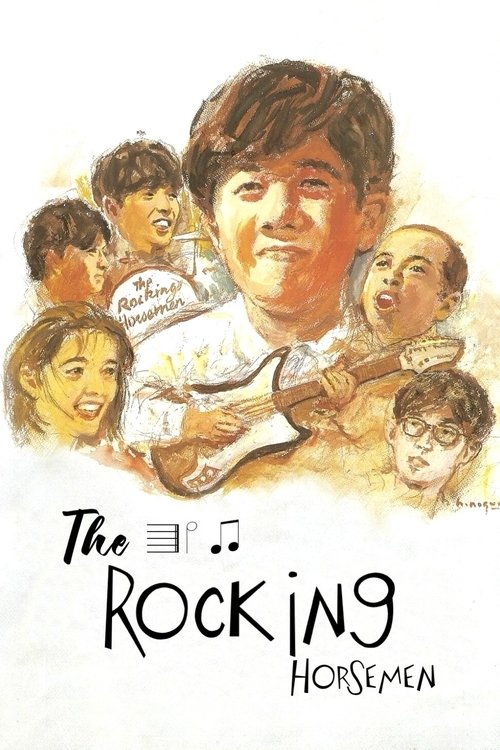
The Rocking Horsemen
1992
No user ratings available yet
Representation score: 4.4 out of 10
Representation Score
Fair
1963
Director
Keisuke Kinoshita
Runtime
86 minutes
Average Rating
No ratings yetNew Showbiz Analysis
Keisuke Kinoshita’s comedy serves as a period-specific social study of post-war Japan. The film captures a generational shift, focusing on the tension between established social hierarchies and the rising individualism of the youth. While the film lacks modern multi-layered complexity, it offers a glimpse into the evolving social identities of the 1960s. The narrative structure primarily revolves around male collegiate life and the pursuit of fame. Ultimately, the film functions more as a documentation of cultural transition than a diverse, multi-perspective character study.
Category Breakdown
The film does not explicitly include queer narratives or non-straight identities. Any exploration of such themes may exist only through subtle hints due to the limitations of its time period.
The story focuses on the camaraderie and ambitions of four male friends. This emphasis highlights masculine social dynamics and male-led career advancement over female empowerment.
Operating within a culturally homogeneous Japanese context, the film reflects the specific social realities of 1960s Japanese college life.
The narrative examines the conflict between traditional Japanese values and the modern 1960s youth culture. It highlights the shift from collective responsibility to individualistic goals.
There is no indication of characters with physical disabilities or neurodivergent conditions in the provided narrative details.
Present on Screen
Limited or Absent
Official Synopsis
A story about four best friends and their lives inside and outside college. Then suddenly one of them receives a surprising offer to be a movie star.
1992
1975
1960
1953
1932

1965
1973
1999
No reviews yet. Be the first to share your thoughts on this movie!
Use the rating form above to leave a star rating and optional review.