Rise Up
2009
No user ratings available yet
Representation score: 6.2 out of 10
Representation Score
Good
2008
Director
Tomoyuki Furumaya
Runtime
120 minutes
Average Rating
No ratings yetNew Showbiz Analysis
Naoko is a traditional character study that shines through the development of its female lead. While the film avoids systemic critique, it offers a nuanced portrayal of Naoko's transition from a patient to a professional partner in Yusuke's athletic career. However, the film remains within conventional social frameworks. It follows a standard straight-centered and homogeneous approach, reflecting the standard demographic norms of a regional Japanese romantic drama without exploring broader multi-layered identities. Ultimately, the film excels as a personal drama of healing but falls short in providing diverse perspectives that challenge broader cultural or racial structures.
Category Breakdown
The film centers on a traditional heterosexual relationship between Naoko and Yusuke. There is no indication of LGBTQ+ representation or non-conforming gender identities.
Naoko transforms from a passive romantic interest into an active professional partner. Her journey showcases her ability to take control and drive the story, moving beyond purely domestic roles.
The cast and narrative focus remain consistent with traditional demographics typical of a Japanese production. Multi-ethnic casting is not present.
The story centers on personal recovery and themes of grief within a family context. It adheres to traditional approaches to familial tragedy and duty without challenging broader social structures.
The narrative explores health-related vulnerability through Naoko's medical treatment. She avoids becoming a tragic figure by maintaining control over her recovery and professional life.
Present on Screen
Limited or Absent
Official Synopsis
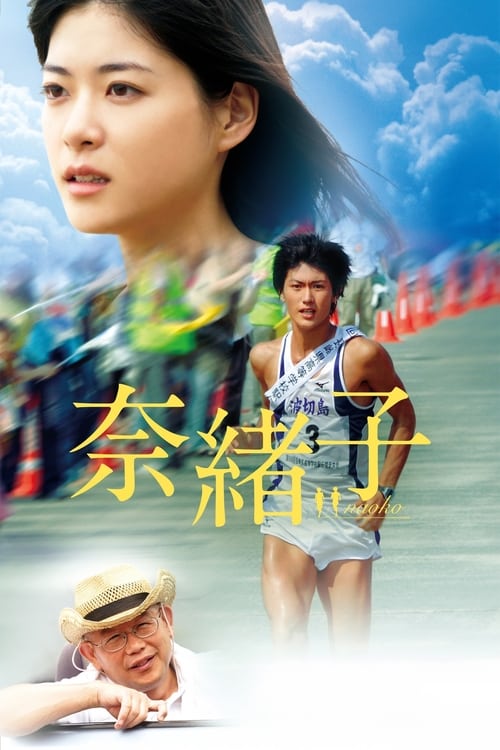
Naoko meets Yusuke while staying on an island for medical treatment. Yusuke's graceful athletic figure captivates her eyes and she falls in love with him. But their relationship is soon broken after Yusuke's father dies while trying to save Naoko from drowning. The memory of Yusuke leads Naoko to the track, and six years later, they meet each other again at a Marathon competition. Naoko decides to become a manager to help Yusuke, a gifted runner, and they embark on training together to heal their sorrows from the past.
2009

2009

2020

2018

2005

2017

2017

2020
No reviews yet. Be the first to share your thoughts on this movie!
Use the rating form above to leave a star rating and optional review.