Goodbye, Someday
2010
No user ratings available yet
Representation score: 2.8 out of 10
Representation Score
Good
2020
Not RatedDirector
Rikiya Imaizumi
Runtime
127 minutes
Average Rating
No ratings yetNew Showbiz Analysis
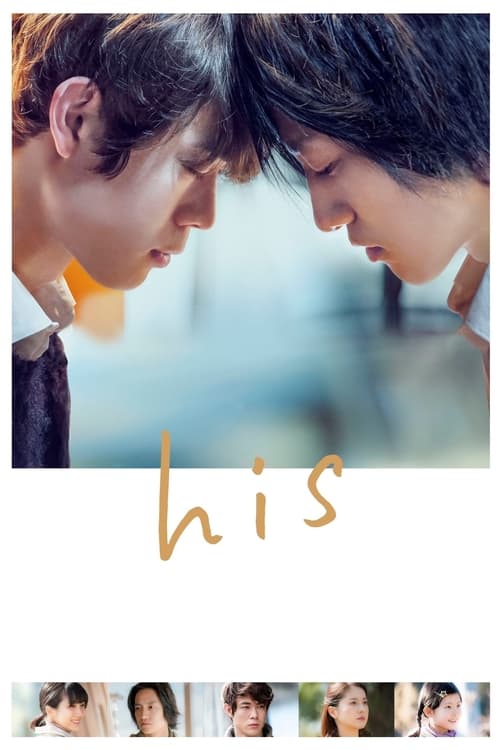
The film places a sophisticated, queer romantic relationship at the center of its drama. By exploring the intricacies of reconciliation and unconventional family dynamics, it offers a mature, character-driven exploration of intimacy. The film stands out by challenging traditional masculine stereotypes, showing men navigating emotional vulnerability and parental responsibilities. This provides a nuanced portrayal of domestic life that avoids the usual pitfalls of the romance genre. However, the film is specifically rooted in Japanese culture and lacks broad ethnic diversity. While it avoids stereotypes, the cast remains narrowly focused, and there is no depiction of physical or neurological disabilities.
Category Breakdown
The film centers a romantic relationship between two people of the same sex as its main storyline. It explores the emotional journey of forming a long-term bond without falling into tragic clichés.
The story challenges traditional gender roles by highlighting male emotional vulnerability and single parenthood. It focuses on personal connections rather than the usual stereotypes of masculinity.
This Japanese production stays true to its cultural roots. It avoids racial stereotypes but does not include a wide range of ethnic backgrounds.
The narrative delves into the complexities of human relationships and personal morality. It emphasizes individual emotional experiences over strict societal norms or traditional family structures.
There are no direct representations of physical or neurological disabilities. The film concentrates on the psychological and emotional states of the main characters.
Present on Screen
Limited or Absent
Official Synopsis
Shun and Nagisa first meet and fall in love during their first year of high school. While Shun is graduating from university, Nagisa tells him that he doesn't see a future for them. Despite Shun's strong feelings, they go their separate ways. Years later, Shun is now a store owner, living alone in a rural area. Out of the blue, Nagisa arrives with his six-year-old daughter, Sora. Spending time together, Shun realizes he still harbors feelings for Nagisa. Can Nagisa reconcile with his feelings for Shun, which have been there all along?
2010

2009
2025
2018
2006
2014

2023
2021
No reviews yet. Be the first to share your thoughts on this movie!
Use the rating form above to leave a star rating and optional review.