Find another title
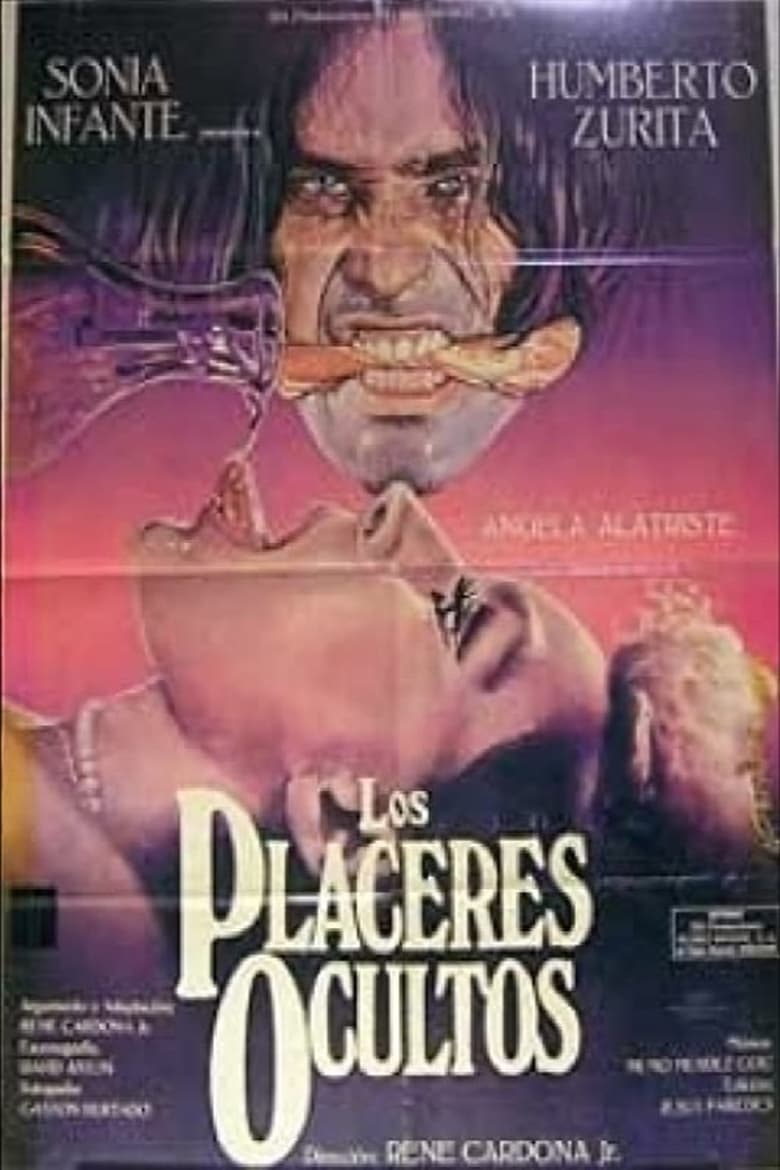
Hidden Pleasures
1989
Director
René Cardona Jr.
Runtime
90 minutes
Average Rating
No ratings yetSynopsis
A psychiatrist is brutally raped and takes her revenge in a bizarre game of cat and mouse.
Where to Watch
Diversity & Representation
Overall Score
Limited
Category Breakdown
LGBTQ+ Representation
The film lacks evidence of non-heteronormative identities or same-sex intimacy. The narrative focuses on a traditional conflict between a female protagonist and a male antagonist.
Gender Representation
A female psychiatrist provides a degree of agency, yet the plot relies on the trope of female suffering to drive the story. The revenge arc remains tied to victim-aggressor dynamics.
Racial & Ethnic Diversity
The production features a predominantly Hispanic cast within a Mexican cinematic context. However, the story does not engage with racial intersectionality or ethnic hierarchies.
Religious & Cultural Diversity
The film follows standard crime and thriller conventions centered on personal retribution. It lacks a systemic critique of religious or Western institutions.
Disability Representation
While the protagonist possesses high cognitive agency as a psychiatrist, there is no nuanced exploration of disability. Psychological trauma appears to function primarily as a plot device.
Strengths
- Features a central female protagonist with high cognitive agency.
- Provides representation of a predominantly Hispanic cast within a Mexican production.
Areas for Improvement
- Relies on the trope of female suffering to catalyze the plot.
- Lacks representation of LGBTQ+ identities or non-heteronormative themes.
- Does not offer a nuanced exploration of disability or mental health.
- Fails to engage with systemic or intersectional social critiques.
AI Analysis
Playback (1989) is a genre-driven thriller that prioritizes psychological conflict and personal revenge over social commentary. While it centers on a female lead, the narrative structure relies on traditional tropes of trauma and victimization common in late 20th-century horror. The film offers a Mexican cultural context through its cast and production, but it does not attempt to deconstruct social hierarchies or explore intersectional identities. It functions as a standard cat-and-mouse thriller rather than a work of systemic critique. Ultimately, the film lacks meaningful representation for LGBTQ+ individuals or characters with disabilities, focusing instead on individual morality and survival within established genre frameworks.
Rate this Movie
Reviews
No reviews yet. Be the first to share your thoughts on this movie!
Use the rating form above to leave a star rating and optional review.