Simon, the Magician
1999
No user ratings available yet
Representation score: 6.9 out of 10
Representation Score
Fair
2007
PG-13Director
Éric Rohmer
Runtime
109 minutes
Average Rating
No ratings yetNew Showbiz Analysis
The film offers a sophisticated exploration of psychological nuance and romantic archetypes. It successfully challenges traditional gender roles through Céladon's disguise and Astrée's emotional independence. These elements provide a nuanced look at identity and desire. However, the historical and mythological setting limits demographic breadth. The focus on a Western European pastoral framework results in low racial and ethnic diversity. The narrative's depth lies in character interiority rather than social representation. Ultimately, the work is a study of individual ability to act and temptation. While it lacks broad institutional or racial diversity, it excels in its complex handling of gender performativity and personal morality.
Category Breakdown
The film uses gender performativity as a key plot element. Céladon dresses as a woman to navigate social barriers and stay close to his beloved.
The story disrupts traditional gender hierarchies by highlighting Astrée's ability to act. Céladon’s vulnerability and the nymphs’ rescue turn the usual protector role on its head.
Set in a mythic Druidic era, the story operates within a Western European framework. There is no evidence of a non-Anglo-Saxon majority cast.
The film focuses on a secular, mythic morality rather than religious doctrine. It centers on individual psychological truth within an enchanted, pastoral setting.
The narrative does not include any depiction of physical or neurodivergent disabilities.
Present on Screen
Limited or Absent
Official Synopsis
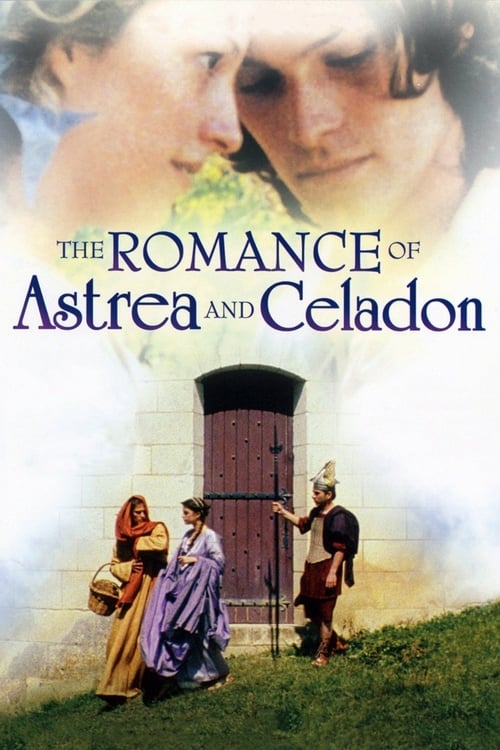
In an enchanted forest, back in the time of the Druids, the shepherd Céladon and the shepherdess Astrée share a pure and chaste love. Fooled by a suitor, Astrée dismisses Céladon, who throws himself into a river out of despair. She thinks he's dead, but he's been secretly rescued by some nymphs. Faithful to the promise he made to Astrée to never appear before her again, Céladon must overcome many obstacles to break the curse. Mad with love and despair, coveted by the nymphs, surrounded by rivals, and obliged to disguise himself as a woman to be near the one he loves, will he manage to make himself known without breaking his oath? A romance filled with doubt, hazards, and delicious temptations.
1999
1946
2016
1951

1972
1960
2021

1931
No reviews yet. Be the first to share your thoughts on this movie!
Use the rating form above to leave a star rating and optional review.