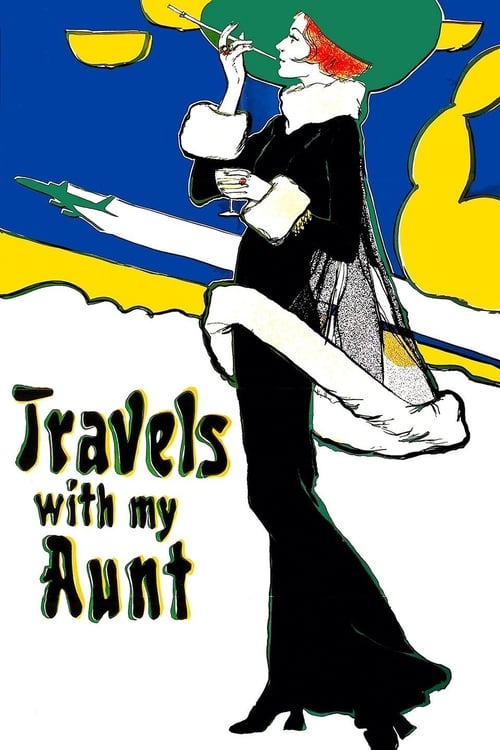
Travels with My Aunt
1972
No user ratings available yet
Representation score: 4.6 out of 10
Representation Score
Fair
1971
GDirector
Leslie H. Martinson
Runtime
110 minutes
Average Rating
No ratings yetNew Showbiz Analysis
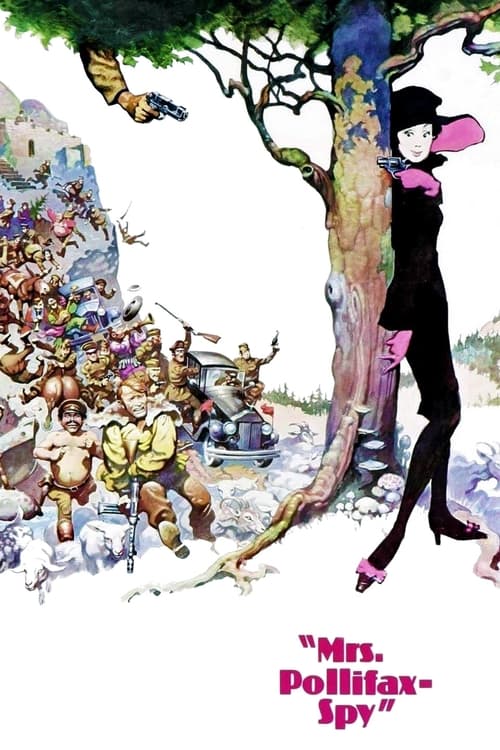
Mrs. Pollifax — Spy stands out for its strong gender representation, effectively challenging ageist and sexist stereotypes. By featuring an older widow as the central spy, the film overturns the era's tendency to sideline such women. However, the film adheres closely to the demographic and cultural norms of 1971, lacking meaningful LGBTQ+ representation and racial diversity. Its homogeneous cast is typical of Western productions of that time. While the film excels in showcasing a capable female lead, its overall impact is limited by a lack of broader diversity.
Category Breakdown
The film does not include any identifiable LGBTQ+ characters or stories. Romantic tension is presented through a traditional relationship between the main character and a male figure.
Mrs. Pollifax challenges 1970s stereotypes by portraying an older widow as a highly capable spy. She shows greater control and adaptability compared to the male-dominated intelligence community.
The cast appears fairly uniform, reflecting the standards of early 1970s Western television. Despite the Mexico City setting, there is no indication of a diverse cast.
The story revolves around the CIA and mid-century institutions, focusing on practical problem-solving rather than strict religious morality.
There is no evidence of characters with visible or invisible disabilities being given significant roles. Disability is not a key theme or character element.
Present on Screen
Limited or Absent
Official Synopsis
Mrs. Emily Pollifax of New Jersey goes to the CIA to volunteer for spy duty, being in her own opinion, expendable now that the children are grown and she's widowed. And being just what the department needed (someone who looks and acts completely unlike a spy), she's assigned to simple courier duty to pick up a book in Mexico City. But when the pickup doesn't go as planned, Mrs. Pollifax finds herself handcuffed to a handsome stranger on a plane bound for an Albanian prison. And it's up to her to get them out.
1972

1965

1966

2016

1999

1960

1981

1980
No reviews yet. Be the first to share your thoughts on this movie!
Use the rating form above to leave a star rating and optional review.