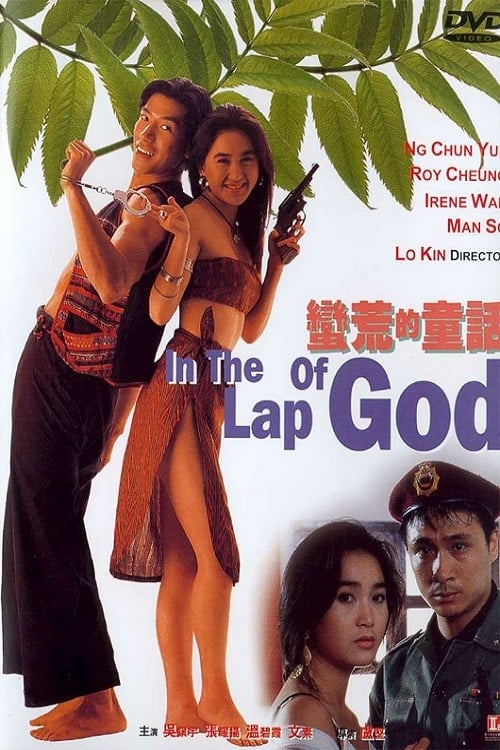
In the Lap of God
1991
No user ratings available yet
Representation score: 3.7 out of 10
Representation Score
Limited
1981
Director
Gilberto Martínez Solares
Runtime
90 minutes
Average Rating
No ratings yetNew Showbiz Analysis
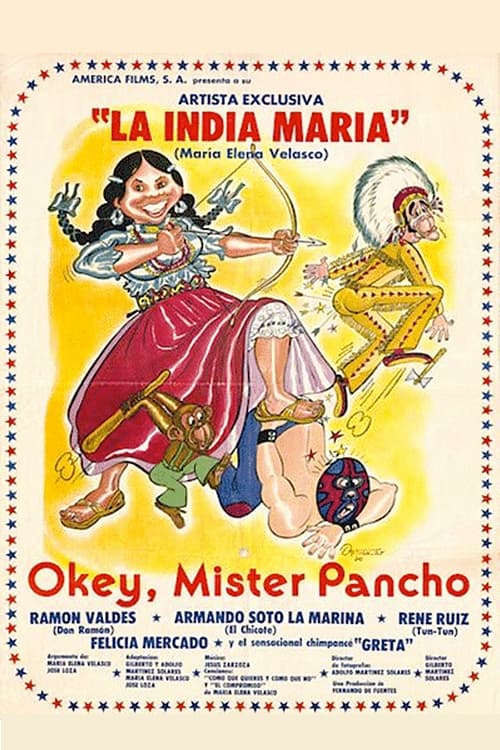
Okey, Mister Pancho utilizes the established India María archetype to center an Indigenous identity within a high-stakes adventure-comedy. This placement provides a meaningful level of ethnic representation, as the protagonist navigates the tensions between rural backgrounds and urban criminal elements. However, the film remains tethered to the comedic conventions of 1981 Mexican cinema. While the protagonist plays a significant role in driving the story, the narrative likely relies on social archetypes rather than a deep deconstruction of power dynamics or systemic inequality. Ultimately, the film offers a significant presence of ethnic diversity but is tempered by traditional approaches to gender and social roles typical of its genre.
Category Breakdown
The film lacks evidence of LGBTQ+ identities and follows traditional comedic structures common to its production era.
The narrative centers on a female protagonist through the India María archetype. However, the role may rely on established comedic clichés regarding femininity.
The story places an Indigenous protagonist at the heart of the plot. This allows for an exploration of ethnic tensions during a diamond heist.
The plot explores the friction between traditional rural life and modern criminal enterprises. It utilizes an outsider perspective to navigate social structures.
There is no information available regarding the portrayal of physical or neurodivergent characters in this film.
Present on Screen
Limited or Absent
Official Synopsis
La India Maria becomes deeply embroiled in a large scale diamond heist.
1991
1972

1980

1972

1960
1964
1942

1972
No reviews yet. Be the first to share your thoughts on this movie!
Use the rating form above to leave a star rating and optional review.