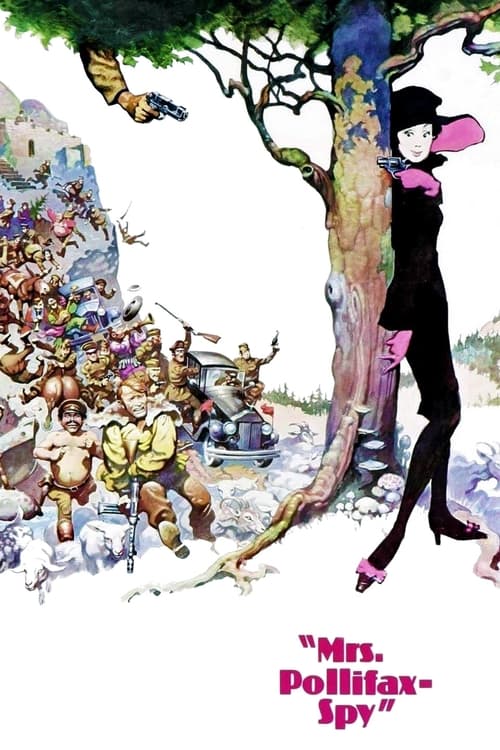
Mrs. Pollifax — Spy
1971
No user ratings available yet
Representation score: 5.6 out of 10

Representation Score
Fair
1972
PGDirector
George Cukor
Runtime
109 minutes
Average Rating
No ratings yetNew Showbiz Analysis
George Cukor's direction offers a sophisticated look at individual ability to act and social performance. The film excels as a progressive character study by challenging gendered expectations and celebrating female autonomy. However, it remains limited by its era, lacking racial and LGBTQ+ diversity. The narrative focuses on a homogeneous Western European demographic, offering little representation for minority groups. Ultimately, the film serves as a critique of mid-century social hierarchies, favoring moral relativism and personal liberation over traditional family and social decorum.
Category Breakdown
While there are no explicit LGBTQ+ characters, Polly's rejection of traditional domesticity and her sexual autonomy suggest a departure from strict heterosexual norms.
The film emphasizes women's ability to act, focusing on characters who assert their independence and defy societal norms. Polly's portrayal highlights aging as a period of intellectual and social empowerment.
The cast is primarily white, representing a homogeneous Western European socioeconomic class. There is no significant minority representation in the main storyline.
The film challenges rigid moral structures by presenting conventional propriety as confining. It prioritizes personal freedom and cosmopolitan wanderlust over traditional Western domestic life.
There are no prominent depictions of visible or invisible disabilities. Characters are shown within the context of typical physical and neurotypical functioning.
Present on Screen
Limited or Absent
Official Synopsis
At his mother's funeral, stuffy bank clerk Henry Pulling meets his Aunt Augusta, an elderly eccentric with more-than-shady dealings who pulls him along on a whirlwind adventure as she attempts to rescue an old lover.
1971
1979
1967

2016

2013
1963
1954

1953
No reviews yet. Be the first to share your thoughts on this movie!
Use the rating form above to leave a star rating and optional review.