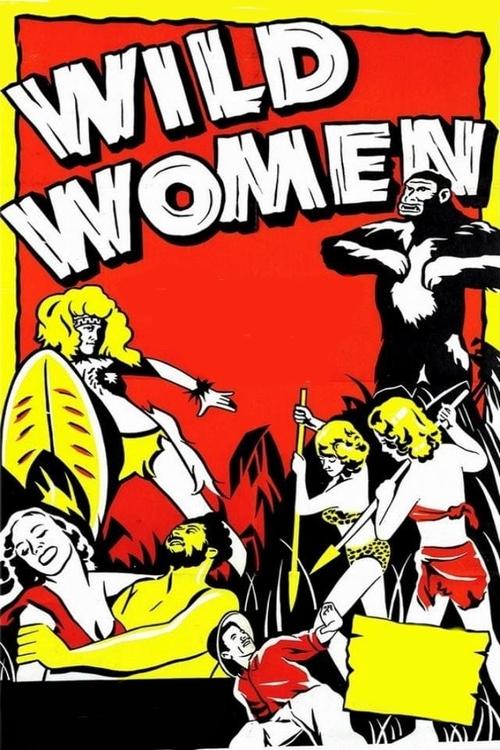
Wild Women
1951
No user ratings available yet
Representation score: 1.1 out of 10
Representation Score
Limited
1953
ApprovedDirector
Eugene Frenke
Runtime
75 minutes
Average Rating
No ratings yetNew Showbiz Analysis
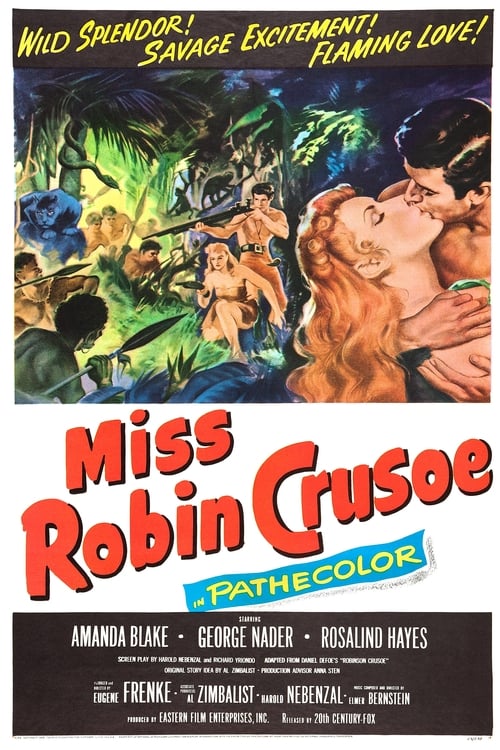
Miss Robin Crusoe stands out for its gender subversion, placing a woman in a rugged, solitary role typically reserved for male archetypes. This shift from passive victimhood to active survivalism offers a rare moment of female empowerment for the era. However, the film remains bound by the social standards of 1953. It lacks depth in representing LGBTQ+ identities or critiquing broader social structures. While the inclusion of George Nader adds ethnic variety, the narrative primarily follows traditional Western survivalist themes.
Category Breakdown
The film does not include any representation of LGBTQ+ identities or same-sex relationships. It follows traditional romantic and survivalist themes typical of 1953 cinema.
By featuring Amanda Blake in a traditionally male-dominated survivalist role, the film challenges conventional gender roles. This move away from the 'damsel in distress' cliché highlights female autonomy.
The cast includes George Nader, an actor of Middle Eastern descent. However, the narrative focuses on Western survivalist perspectives, adhering to mid-century casting conventions.
The film presents a standard adventure story without critiquing Western institutions, capitalism, or organized religion.
The film does not depict any characters with physical or neurodivergent disabilities.
Present on Screen
Limited or Absent
Official Synopsis
This 1954 feminist version of "Robinson Crusoe" stars Amanda Blake as a woman shipwrecked on a jungle island. Also with George Nader and Rosalind Hayes.
1951
1934
1976
1963
1966
1974
1932
1967
No reviews yet. Be the first to share your thoughts on this movie!
Use the rating form above to leave a star rating and optional review.