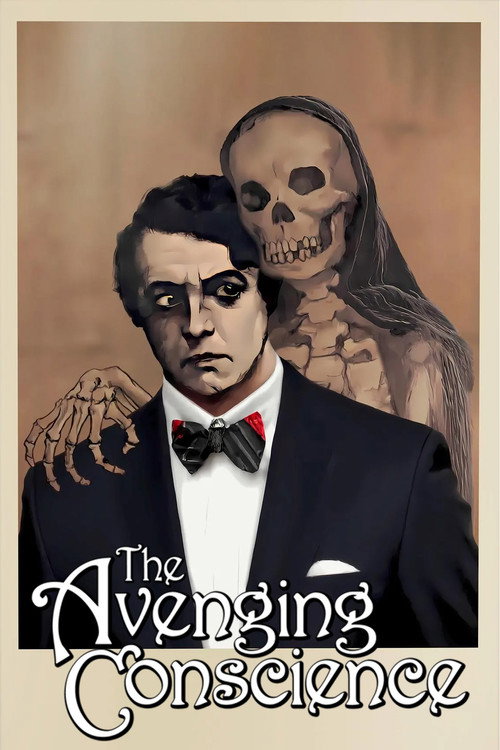
The Avenging Conscience
1914
No user ratings available yet
Diversity score: 1.7 out of 10

1925
NRDirector
George Chesebro, Bruce Mitchell
Runtime
68 minutes
Average Rating
No ratings yetSynopsis
Dick Bannister is the new field boss of the Ford Logging Company, a Canadian logging-crew during a time when conflicts with the powerful Consolidated Lumber Company, a bitter rival company, have turned bloody, like a private war. His boss, Miss Edith Ford, comes to inspect the lumberjack camp, bringing her doctor fiancé with her. Dick is attacked by his rivals and left for dead. His loss of blood is so great that he needs a transfusion, but no human will volunteer, so the surgeon uses a wolf as a source of the blood. Afterwards, Dick begins having dreams where he runs with a pack of phantom wolves, and the rival loggers get killed by wolves. Soon, these facts have spread through the camp. (via YouTube)
Overall Score
Limited
Category Breakdown
LGBTQ+ Representation
The film follows a traditional romantic framework centered on Miss Edith Ford and her doctor fiancé. There is no evidence of non-cisnormative identities or narratives that challenge heteronormativity.
Gender Representation
Dick Bannister occupies the central role of agency and physical struggle. While Miss Edith Ford holds authority as an inspector, she functions primarily as a romantic interest and plot catalyst.
Racial & Ethnic Diversity
The setting involves a Canadian logging camp rivalry with no indication of a diverse or non-Anglo-Saxon majority cast. The narrative focuses on industrial conflict and supernatural elements.
Religious & Cultural Diversity
The story explores industrial rivalry and survival through the lens of Western capitalism. It does not appear to critique Western institutions, religion, or social structures.
Disability Representation
The protagonist's physical trauma and biological transformation serve as a supernatural genre device. This does not provide a nuanced exploration of disability or permanent impairment.
Strengths
Areas for Improvement
AI Analysis
Wolf Blood is a standard silent-era genre piece that reinforces the conventional hierarchies of the 1920s. The narrative is driven by male-centric conflict and supernatural horror tropes rather than social subversion. The film lacks intersectional representation, focusing instead on industrial rivalry and a traditional romantic structure. Characters largely serve to advance the plot or the horror elements rather than challenging established social norms. Ultimately, the work functions as a period-typical drama where identity and agency are tied to physical prowess and corporate struggle.
1914
2010
2010

1973
1961
1976
1913

2007
1981

2017
2014
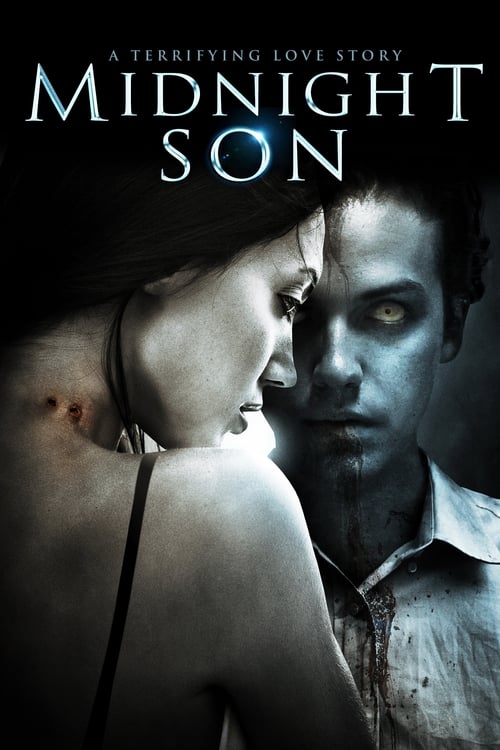
2011
No reviews yet. Be the first to share your thoughts on this movie!
Use the rating form above to leave a star rating and optional review.