Ghost Son
2007
No user ratings available yet
Diversity score: 4.4 out of 10
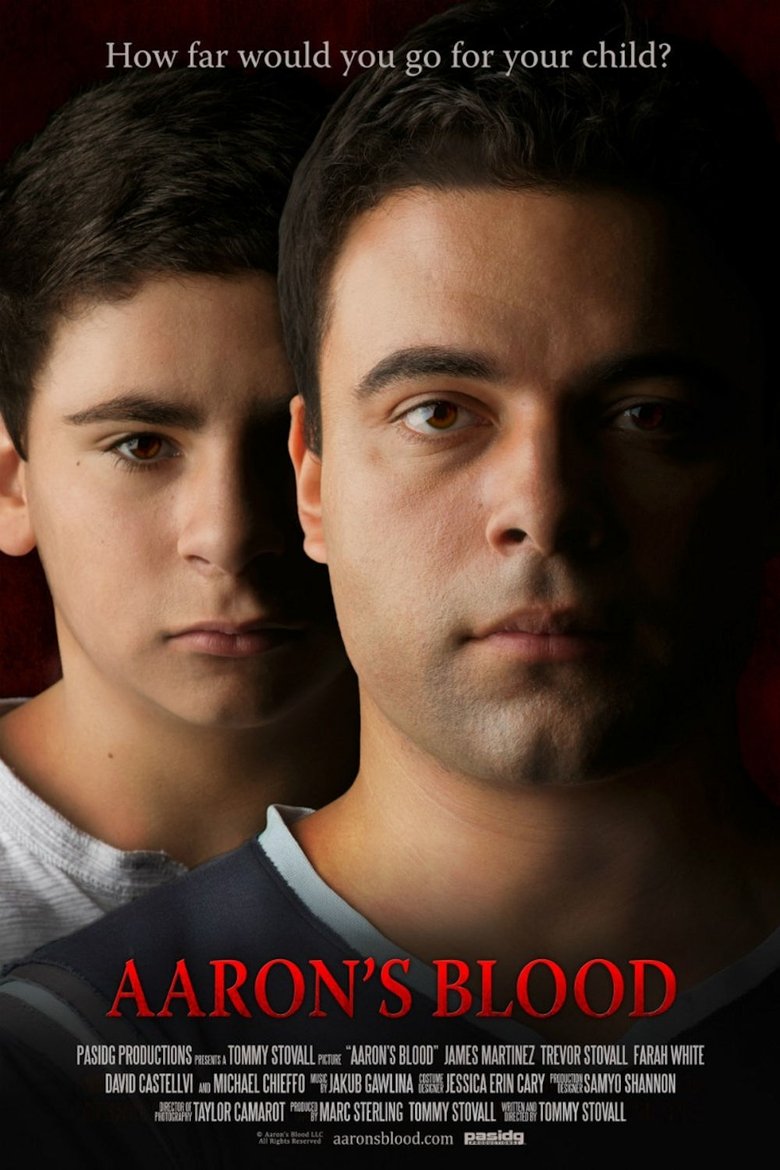
2017
TV-MADirector
Tommy Stovall
Runtime
80 minutes
Average Rating
No ratings yetSynopsis
Single father Aaron fights to save his 12-year-old hemophiliac son after becoming infected with vampire blood.
Overall Score
Fair
Category Breakdown
LGBTQ+ Representation
The film lacks visible queer agency or non-cisnormative identities. While it explores single parenthood, there is no evidence of explicit LGBTQ+ characters.
Gender Representation
The story centers on a male protagonist in a protective, vulnerable role. However, it lacks high-agency female characters or a systemic subversion of gender hierarchies.
Racial & Ethnic Diversity
Casting James Martinez in the lead role provides meaningful inclusion. This centralizes a person of color in a position of high agency and emotional complexity.
Religious & Cultural Diversity
The narrative focuses on familial bonds and individual survival. It leans toward traditional protectionism rather than critiquing Western institutions or organized religion.
Disability Representation
The plot centers on managing hemophilia and supernatural infection. This grants characters agency through their struggle with bodily autonomy and chronic medical conditions.
Strengths
Areas for Improvement
AI Analysis
Aaron's Blood offers a moderate level of representation by disrupting standard horror tropes. The film's strength lies in its casting and its focus on medical vulnerability. By centering a person of color in a complex, high-agency role, the film moves away from historically white-centric genre norms. However, the narrative lacks intersectional depth. While it avoids some patriarchal archetypes by focusing on a vulnerable single father, it does not provide significant queer representation or a critique of systemic social structures. The film's approach to disability is a notable highlight. It treats medical conditions as central to the character's agency rather than using them merely as tools for victimization.
No reviews yet. Be the first to share your thoughts on this movie!
Use the rating form above to leave a star rating and optional review.