
Someone Wants to Kill Us!
1970
No user ratings available yet
Representation score: 4.5 out of 10
Representation Score
Minimal
1958
Director
Jaime Salvador
Runtime
87 minutes
Average Rating
No ratings yetNew Showbiz Analysis
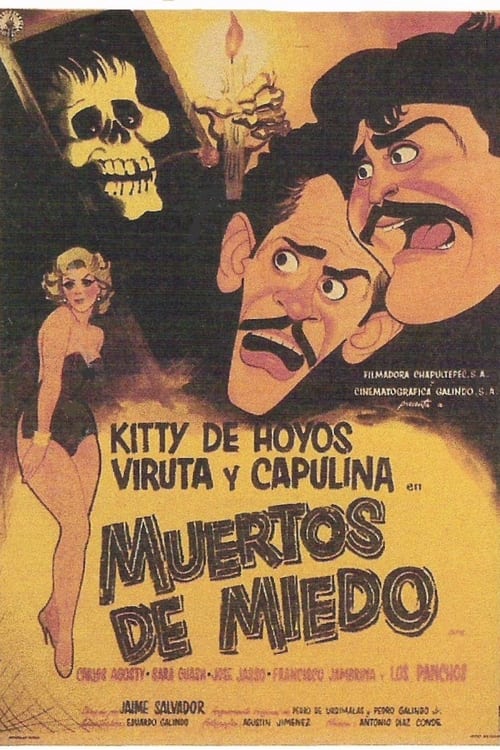
Scared to Death is a mid-century genre piece that prioritizes commercial entertainment over social critique. While it utilizes iconic Mexican comedic talent, the narrative structure remains tethered to the era's established formulas. The film provides some representation through its Mexican production context and a female character who initiates the plot. However, these elements do not translate into deep complexity or the disruption of systemic hierarchies. Ultimately, the work functions as a standard example of its time, adhering to traditional social and gendered roles common in 1950s popular cinema.
Category Breakdown
The film does not include any characters with LGBTQ+ identities. It operates within the standard assumptions that everyone is straight or cisgender.
A female character starts off playing a significant role by hiring the protagonists to solve a crime. However, her role seems limited to initiating the plot rather than being a sustained leader.
As a Mexican production, the film features a predominantly non-Anglo-Saxon cast. It reflects its domestic cultural context without challenging racial hierarchies.
The narrative follows traditional crime and mystery conventions. It maintains a conventional approach to justice and social order typical of 1950s commercial cinema.
There is no information available regarding the depiction of physical or neurodivergent characters in this production.
Present on Screen
Limited or Absent
Official Synopsis
A young woman hires Viruta y Capulina to find a notorious jewel thief, known as Rostov.
1970
1978
1949
1950
1949
1957

1945
1944
No reviews yet. Be the first to share your thoughts on this movie!
Use the rating form above to leave a star rating and optional review.