
In Dreams: The Roy Orbison Story
1999
No user ratings available yet
Representation score: 3.1 out of 10
Representation Score
Limited
1988
TV-14Director
Cathe Neukum
Runtime
60 minutes
Average Rating
No ratings yetNew Showbiz Analysis
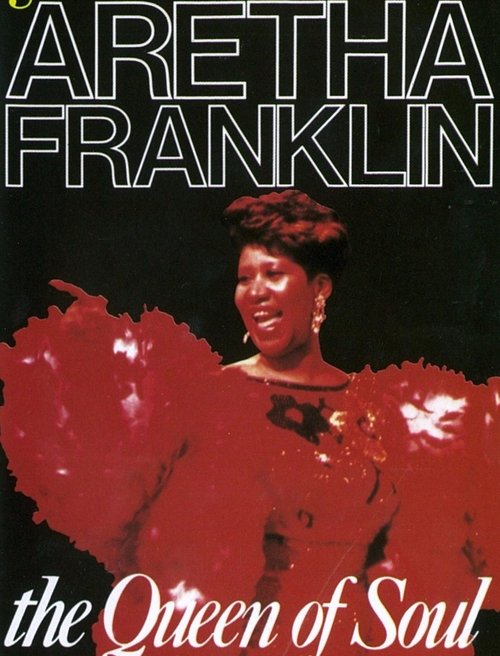
This documentary functions as a celebratory biographical account that prioritizes the life and professional mastery of a Black female icon. By centering Aretha Franklin, the film disrupts conventional expectations of historical visibility and challenges the exclusion of non-white protagonists in mainstream media. The film provides a platform for Black historical narratives through archival footage and industry interviews. It highlights a figure who redefined the musical landscape, emphasizing her ability to act and impact on global culture. However, the documentary lacks explicit exploration of LGBTQ+ identities or narratives and does not engage with complex multi-layered or postmodern deconstructions. The absence of data regarding disability representation prevents a higher aggregate score, as the focus remains primarily on musical and professional history.
Category Breakdown
The documentary does not include any LGBTQ+ characters or narratives. It focuses solely on the professional and musical journey of the subject.
The film centers on a woman with significant professional ability to act and intellect. It challenges traditional hierarchies by portraying Franklin as the primary driver of her success.
This work significantly centers Black excellence. It challenges mainstream media tendencies to sideline non-white protagonists through a feature-length examination.
The film engages with the cultural significance of the Black experience. It explores the intersection of Gospel and Soul traditions within American musicology.
There is no documented evidence regarding the portrayal of physical or neurodivergent disabilities in this biographical work.
Present on Screen
Limited or Absent
Official Synopsis
Aretha Franklin's recording career is examined through archival footage and interviews with family and prominent figures within the music industry.
1999
2018
2004
2018
2019
2017

2016
2011
No reviews yet. Be the first to share your thoughts on this movie!
Use the rating form above to leave a star rating and optional review.