Do or Die: Lang Lang's Story
2012
No user ratings available yet
Representation score: 5.3 out of 10
Representation Score
Good
2004
Director
Bruce Gowers
Runtime
60 minutes
Average Rating
No ratings yetNew Showbiz Analysis
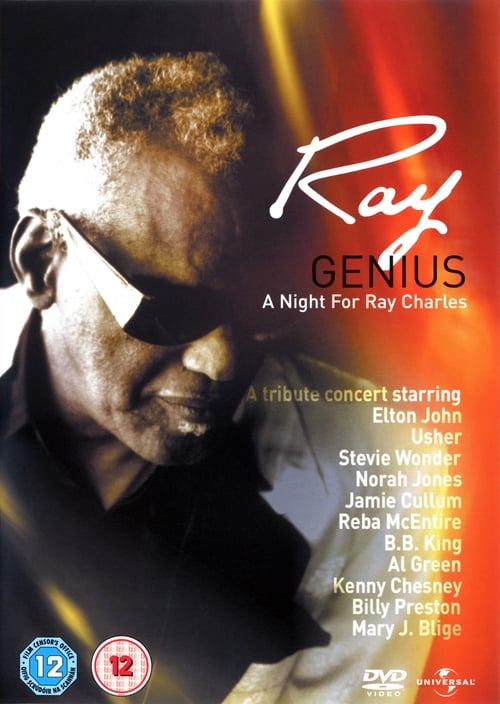
This concert special serves as a powerful cultural document by centering a Black icon's lived experience. It successfully disrupts traditional Anglo-centric musical narratives by highlighting the resilience of Black identity within a segregated society. The film's greatest strength lies in its portrayal of visual impairment as a fundamental part of the protagonist's identity and creative process. It also provides a profound look at Black identity and resilience during the Jim Crow era. However, the production remains limited by the social frameworks of its subject matter. It maintains traditional gender roles and lacks any visible representation of LGBTQ+ identities, reflecting the assumption that everyone is straight or cisgender.
Category Breakdown
There is no visible presence of LGBTQ+ identities or narratives that critique the assumption that everyone is straight or cisgender.
The story centers around the male protagonist's journey. Women play supporting roles in his personal and professional growth.
The film highlights Black American history and artistry. It emphasizes the ability to act of Black performers and critiques systemic racial hierarchies.
The film critiques traditional Western social structures. It portrays the struggle for autonomy against oppressive institutions and handles personal struggles with biographical realism.
The production portrays visual impairment respectfully. It integrates blindness into the protagonist's identity and musical methodology, avoiding common clichés.
Present on Screen
Limited or Absent
Official Synopsis
A meld of legendary performers and contemporary artists of today who have been influenced by Ray's music perform in this concert extravaganza.
2012
2018
2014
2006
2015

2021

2012
1995
No reviews yet. Be the first to share your thoughts on this movie!
Use the rating form above to leave a star rating and optional review.