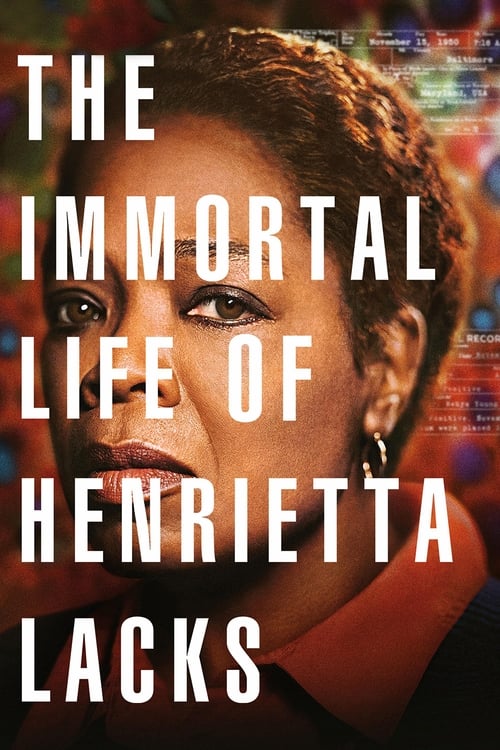
The Immortal Life of Henrietta Lacks
2017
No user ratings available yet
Representation score: 8.5 out of 10

Representation Score
Fair
2022
Director
Franziska Buch
Runtime
105 minutes
Average Rating
No ratings yetNew Showbiz Analysis
Das Wunder von Kapstadt is a sophisticated historical drama that challenges the 'Great Man' theory of history. By centering a female protagonist and a Black surgeon whose work was obscured by apartheid, the film disrupts traditional biographical clichés. The narrative successfully emphasizes how systemic gender and racial barriers must be dismantled to allow for human progress. It examines the intersection of scientific advancement and institutionalized oppression. While the film excels in gender and racial representation, it offers little in the way of LGBTQ+ or disability-focused narratives.
Category Breakdown
The film does not include explicit LGBTQ+ characters or narratives. The story centers on the professional and social challenges faced by the protagonist within the gender and racial dynamics of the 1960s.
Lisa Scheel drives the plot, showing strong ability to act against patriarchal structures. The film highlights the systemic exclusion of women in high-level medical roles during the 1960s.
The narrative provides deep insights into apartheid-era South Africa by focusing on surgeon Hamilton Naki's contributions. It highlights how racial hierarchies suppressed his essential work.
The film critiques Western institutional power by contrasting Frankfurt's social structures with South Africa's oppressive apartheid system. It prioritizes scientific progress over existing social hierarchies.
There is no specific evidence regarding the portrayal of characters with visible or invisible disabilities as central to the narrative arc.
Present on Screen
Limited or Absent
Official Synopsis
The true story of an operation which was a revolution, not only for the world of medicine. Frankfurt 1967. A young doctor called Lisa Scheel is trying to get a foothold in the male-dominated world of transplant surgery. But after she is passed over by her main professor in favour of a male applicant, on the spur of the moment Lisa heads off to Cape Town. Here, she starts work for Dr. Barnaard, who, like his colleagues in Frankfurt, is planning a heart transplantation. Together with the surgeon Hamilton Naki, who due to apartheid can only join the team secretly, Lisa is a major contributor to the first heart transplant in history.
2017
2004

2024

2009

2016

1992

2007
2024
No reviews yet. Be the first to share your thoughts on this movie!
Use the rating form above to leave a star rating and optional review.