
Road to Ninja: Naruto the Movie
2012
No user ratings available yet
Representation score: 5.4 out of 10

Representation Score
Fair
2014
TV-14Director
Shingo Suzuki, Hiromitsu Kanazawa
Runtime
75 minutes
Average Rating
No ratings yetNew Showbiz Analysis
Missing Kings creates a world defined by stylized, group-based identities rather than traditional social hierarchies. It prioritizes loyalty and power dynamics among various 'Clans,' forming a unique social landscape centered on subjective morality. While the film offers female characters with meaningful ability to act and explores non-traditional interpersonal bonds, it remains confined by the stylistic conventions of its medium. The cast lacks ethnic diversity, and the focus is on high-concept fantasy elements. Ultimately, the film disrupts institutional stability through its portrayal of fragmented factions, even if it does not explicitly address broader social or identity-based diversities.
Category Breakdown
The film showcases intense bonds between characters that go beyond typical heterosexual relationships. These connections challenge conventional relationship structures, though specific romantic pairings are not explicitly confirmed.
Female characters such as Anna Kushina play significant roles within the supernatural hierarchy. They avoid traditional domestic roles and are placed in high-stakes, action-oriented scenarios where they actively influence the plot.
The cast is predominantly uniform, following the visual standards of Japanese animation. The Clans act as metaphorical social structures to explore group identity and tribalism.
The story centers on fragmented groups that operate outside established societal or legal frameworks. Morality is defined by clan allegiance and personal power, rather than universal or religious laws.
The film does not significantly address visible or invisible disabilities within its narrative.
Present on Screen
Limited or Absent
Official Synopsis
The "Academy Island Incident" in which four "kings" cross paths... Since then, Silver Clansmen Kuroh Yatogami and Neko have been searching for their master, Shiro. Without finding any clues to Shiro's whereabouts, the two became disheartened. However, one day, they see HOMRA members Rikio Kamamoto and Anna Kushina being chased by someone.
2012
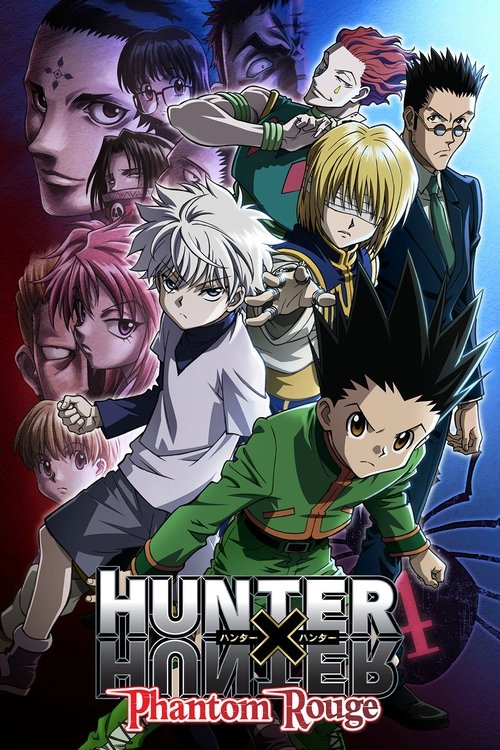
2013
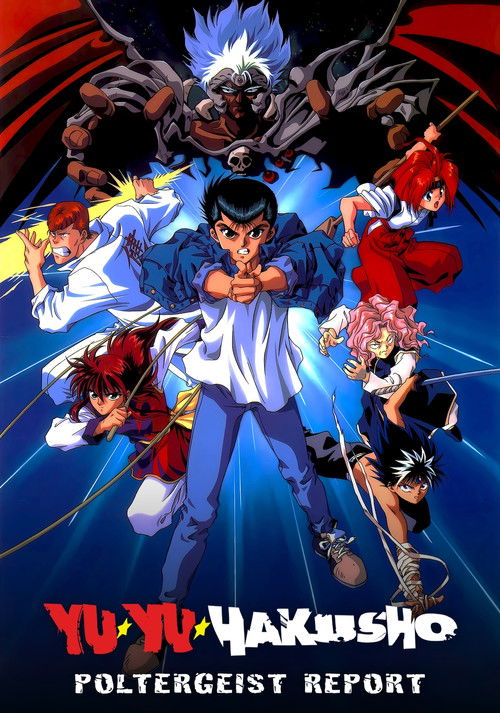
1994
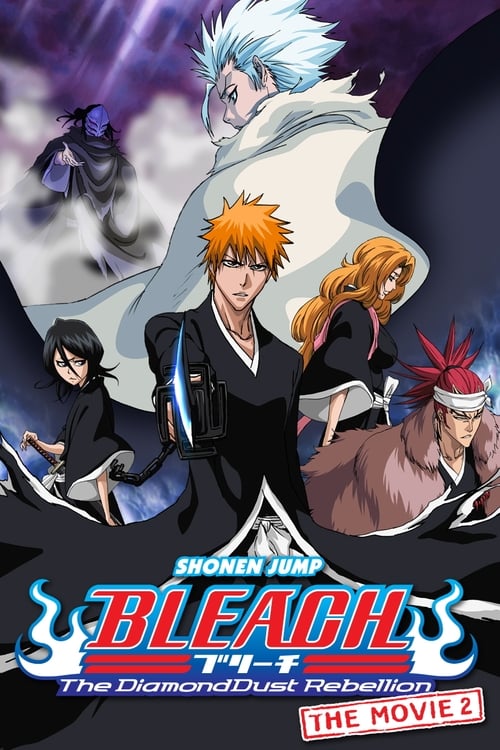
2007
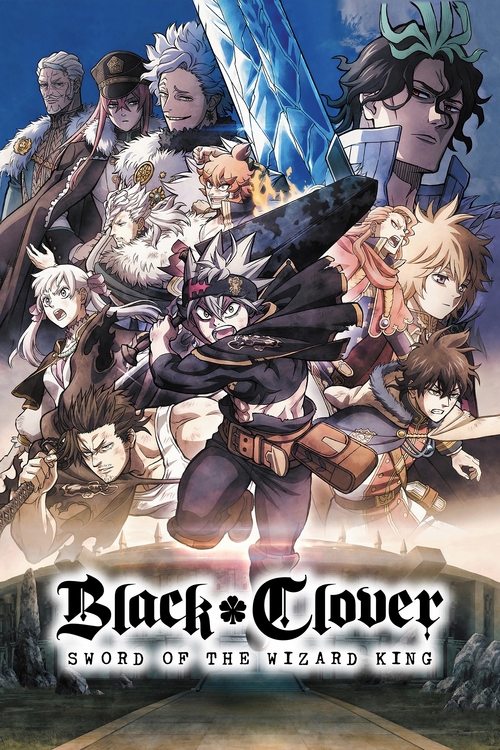
2023
2017
2016
2012
No reviews yet. Be the first to share your thoughts on this movie!
Use the rating form above to leave a star rating and optional review.