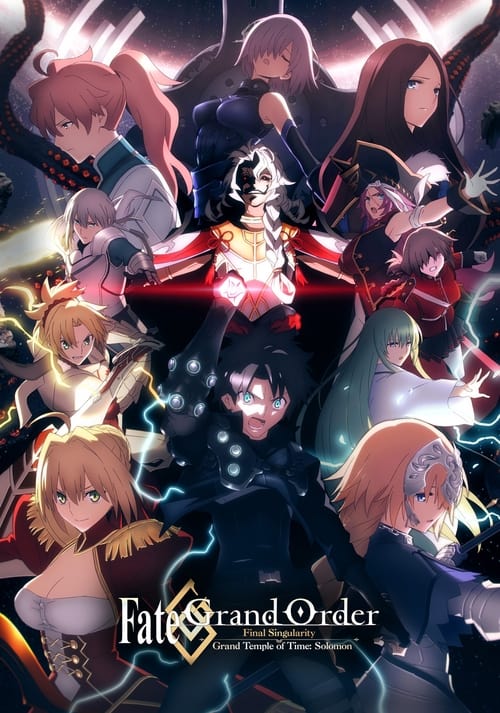
Fate/Grand Order Final Singularity – Grand Temple of Time: Solomon
2021
No user ratings available yet
Representation score: 7.9 out of 10
Representation Score
Excellent
2017
Director
Takuro Tsukada, Hitoshi Nanba
Runtime
32 minutes
Average Rating
No ratings yetNew Showbiz Analysis
The film disrupts traditional gender hierarchies by placing female characters in positions of great power and influence. Its use of a globalized mythological palette ensures a diverse range of historical figures, avoiding a purely Western perspective. However, the focus on high-concept action and mystical themes limits the exploration of detailed, identity-specific character development. This leads to a lack of representation for disabilities and a flattening of specific ethnic nuances due to the stylized visual language. Overall, the work presents a postmodern take on history and culture, offering a secularized view despite prioritizing stylized combat and legendary themes over deep, personal identity exploration.
Category Breakdown
The film uses stylized visuals and subtle hints to explore non-straight relationships. Although there isn't a specific queer storyline, the strong bonds between characters offer a meaningful shift from typical romantic narratives.
Female characters hold powerful positions and have significant influence in the story. By reinterpreting mythological figures, the film challenges traditional gender roles and expectations.
The production features actors from various regions, including the Middle East, Europe, and East Asia. This approach avoids a Western-centric cast, although the anime style might make it harder to distinguish specific ethnic backgrounds.
The film treats historical and religious figures as part of a magical system. This secular approach suggests a flexible view of cultural traditions and history.
Characters are mainly defined by their heroic qualities and mystical abilities. There is little indication of neurodivergence or physical disabilities being used as key elements of the story.
Present on Screen
Limited or Absent
Official Synopsis
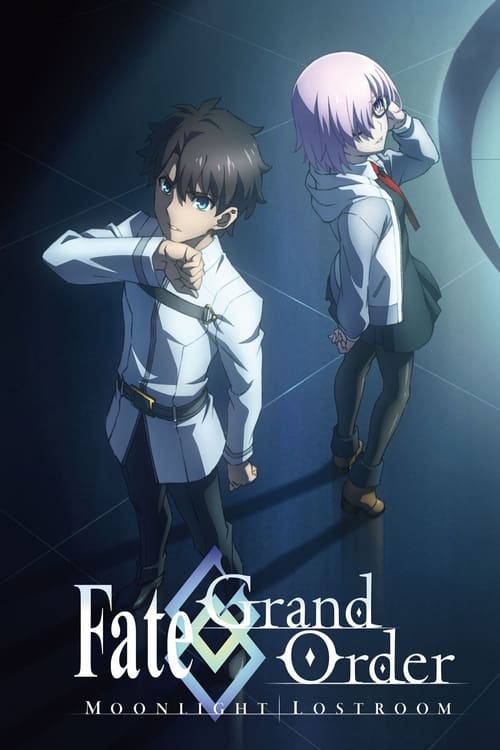
The Lostroom. A place where you can see what was lost, or maybe what will be lost to you in time. Existing in the innermost part of Chaldea, it is the boundary line between dream and reality where the light of the Moon shines through. Produced by the Chaldea Summoning System, the room holds a small number of worthwhile benefits to enjoy.
2021
2020

2023
2017

2014
2021

2007
2016
No reviews yet. Be the first to share your thoughts on this movie!
Use the rating form above to leave a star rating and optional review.