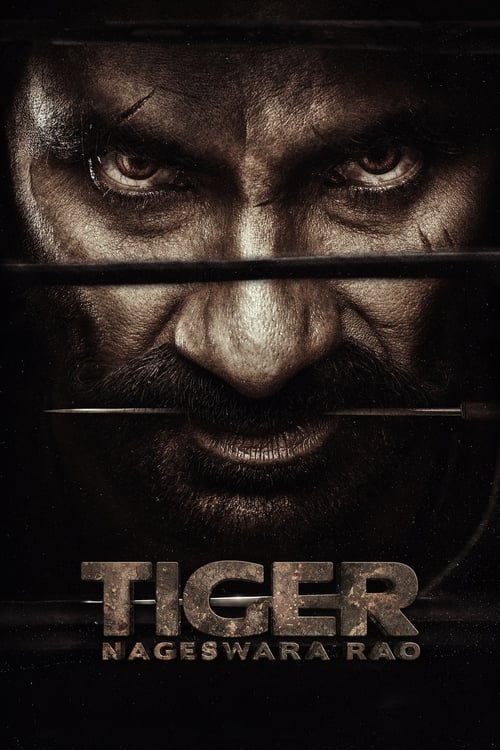
Tiger Nageswara Rao
2023
No user ratings available yet
Representation score: 2.5 out of 10

Representation Score
Minimal
2026
Director
Prem
Runtime
141 minutes
Average Rating
No ratings yetNew Showbiz Analysis
KD – The Devil is a male-driven crime thriller set in 1970s India. The story follows Kaali’s violent rise after his family is killed, centering on brotherly loyalty and gang warfare. While the cast is fully Indian, the gender dynamics are traditional; women are used to motivate men or are treated as property. The film celebrates vigilante violence and lacks diverse representation regarding sexuality or disability.
Category Breakdown
No LGBTQ+ characters or relationships appear in the film. The narrative focuses exclusively on heterosexual dynamics and family ties, offering no visibility for queer identities or storylines.
The plot is driven by men, with women relegated to supporting or reactive roles. Satyavathi inherits the crime empire and offers herself as a prize, while Lakshmi is humiliated by a villain as a plot device.
The film features an all-Indian cast in a regional Indian setting, reflecting local culture authentically. Characters of color hold all positions of power, including the protagonist, the crime lord, and the police.
Traditional family values are honored through the bond between Kaali and his principled brother. The narrative rewards violent vigilante justice and portrays organized crime as a legitimate path to power and status.
No characters with physical or mental disabilities appear in the film. The story does not engage with disability themes or representation, leaving this dimension entirely unexplored.
Present on Screen
Limited or Absent
Official Synopsis
In the early 1970s, a petty criminal Kaali unwittingly involves himself with underworld thugs, catalyzing events beyond his control.
2023

2017

2017

2024

2018

2013

2017

2017
No reviews yet. Be the first to share your thoughts on this movie!
Use the rating form above to leave a star rating and optional review.