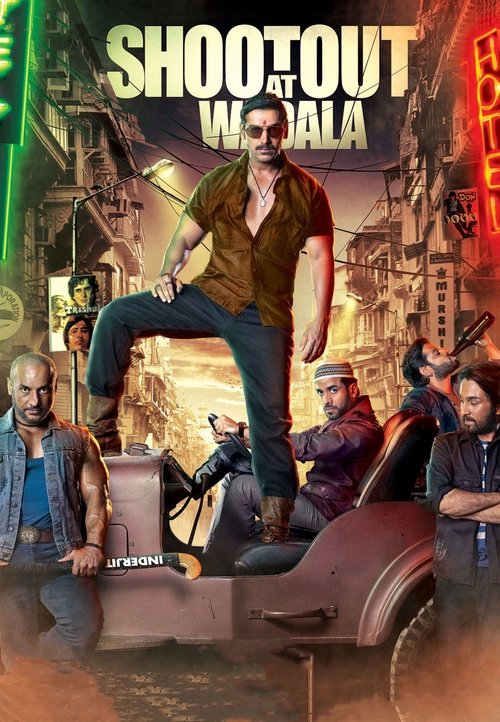
Shootout at Wadala
2013
No user ratings available yet
Representation score: 1.3 out of 10

Representation Score
Good
2017
Director
Ashim Ahluwalia
Runtime
134 minutes
Average Rating
No ratings yetNew Showbiz Analysis
Ashim Ahluwalia’s *Daddy* goes beyond a typical crime story to become a socio-historical study of Mumbai. It explores how underrepresented identities and socioeconomic desperation intersect with the pursuit of control and survival. The film’s greatest strength lies in its cultural authenticity and nuanced portrayal of the Hijra community. It replaces the 'good vs. evil' cliché with a detailed look at how multi-layered survival occurs within oppressive structures. While the film excels in cultural authenticity and gender subversion, its focus on power dynamics sometimes aligns with traditional narratives of dominance. Nevertheless, it remains a sophisticated exploration of identity and class.
Category Breakdown
The film includes the lived experiences and social rituals of the Hijra community as a central part of the story. It avoids using LGBTQ identities for comedic relief and instead highlights their importance in the social fabric.
The story challenges traditional gender roles by focusing on characters who navigate non-binary identities. While it questions patriarchal norms, the narrative often centers on broader struggles for power and dominance.
The film provides an authentic depiction of the South Asian urban experience, emphasizing the specific ethnic and socioeconomic realities of Mumbai. It avoids catering to a Western perspective.
The narrative examines criminal activities within the context of systemic necessity and survival. It critiques how exclusionary social orders and capitalist structures create environments where criminal hierarchies can flourish.
The film shows the physical toll of urban poverty and systemic vulnerability. However, there is no specific representation of visible or invisible disabilities.
Present on Screen
Limited or Absent
Official Synopsis
This is the gritty and sensational true story of Arun Gulab Gawli, a mill worker’s son who grew up in Mumbai’s impoverished Dagdi Chawl, to become an infamous don, politician and chief rival of the most powerful crime boss of the day, Dawood Ibrahim. Daddy realistically charts Mumbai’s true crime history from the 1970s and 1980s until 2012, when Gawli was finally sentenced to life imprisonment.
2013
1962
2022
2010
2002

1990
2021
1968
No reviews yet. Be the first to share your thoughts on this movie!
Use the rating form above to leave a star rating and optional review.