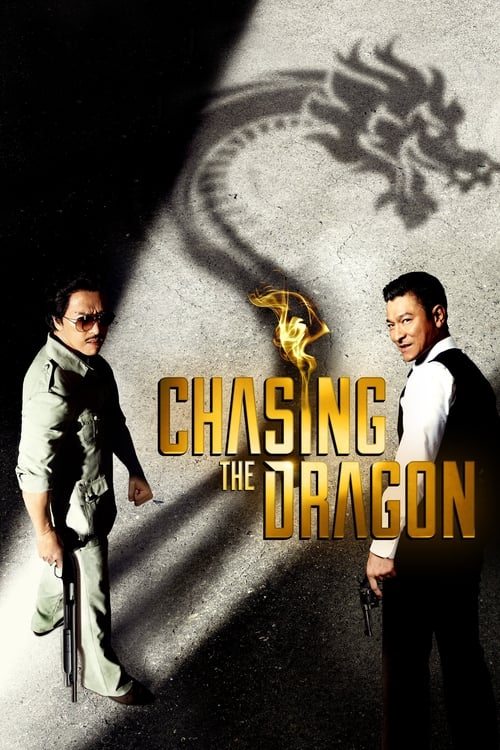
Chasing the Dragon
2017
No user ratings available yet
Representation score: 4.1 out of 10
Representation Score
Fair
2024
RDirector
Soi Cheang
Runtime
126 minutes
Average Rating
No ratings yetNew Showbiz Analysis
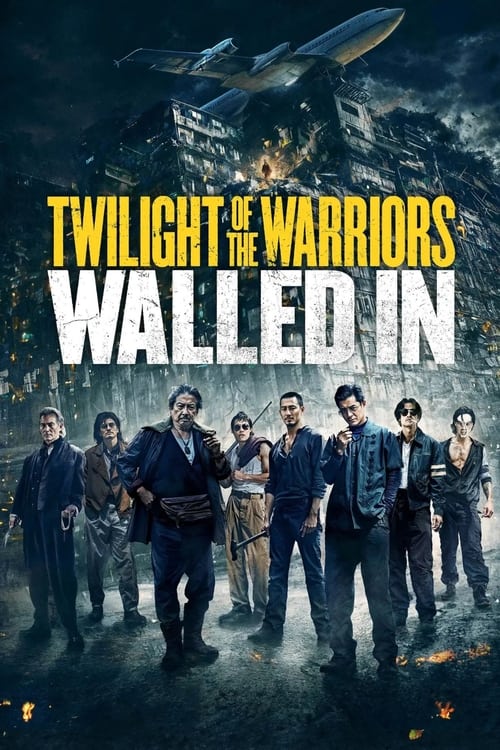
Twilight of the Warriors: Walled In is a genre-driven exploration of survival that succeeds through its commitment to cultural and ethnic authenticity. It provides a nuanced look at the socio-historical context of 1980s Hong Kong, specifically through the lens of mainland refugees. However, the film remains deeply conservative regarding social identity. It adheres to rigid, hyper-masculine clichés that sideline women and exclude LGBTQ+ perspectives. The narrative focus on combat and patriarchal crime hierarchies limits the scope of its social representation. Ultimately, the film's strength lies in its rejection of Western-centric institutional morality. It portrays a self-governing, chaotic community that challenges centralized authority, even as it stays within traditional gender and identity boundaries.
Category Breakdown
The film follows a traditional, straight-centered framework typical of period-piece action. There is no discernible presence of LGBTQ+ identities or same-sex intimacy. The narrative focuses on hyper-masculine martial arts and gang hierarchies.
The story operates within a heavily male-centric framework, centering on the physical prowess of male fighters. Women occupy peripheral roles and have little control over what happens to them, lacking the ability to drive the central conflict or influence the Walled City's political landscape.
The production excels in cultural authenticity by utilizing a predominantly Cantonese-speaking cast. It avoids common whitewashing by centering the experiences of mainland refugees and local residents within a specific, non-Western urban enclave.
By setting the story in the lawless Kowloon Walled City, the film presents a world where traditional Western-style institutions are ineffective. This creates a space for moral relativism and localized, non-traditional social structures.
There is no significant evidence of characters with disabilities possessing real power. Disability is treated primarily as a consequence of combat violence rather than a nuanced exploration of neurodivergence or chronic conditions.
Present on Screen
Limited or Absent
Official Synopsis
In 1980s Hong Kong, troubled youth Chan Lok-kwun, a mainland refugee, struggles to survive in the Kowloon Walled City by joining underground fights. Betrayed by crime boss Mr. Big while trying to buy a fake ID, he steals drugs from him and seeks refuge in the Walled City, where he encounters Cyclone, a compassionate yet authoritative crime lord.
2017
1987
2006
2008
2018
2015
1996
1997
No reviews yet. Be the first to share your thoughts on this movie!
Use the rating form above to leave a star rating and optional review.