Raining Stones
1993
No user ratings available yet
Representation score: 4.6 out of 10
Representation Score
Excellent
2000
RDirector
Lars von Trier
Runtime
140 minutes
Average Rating
No ratings yetNew Showbiz Analysis
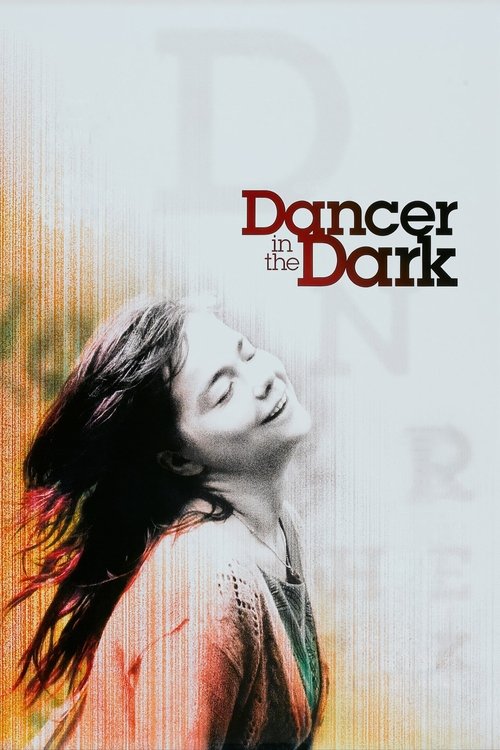
Lars von Trier delivers a sophisticated deconstruction of power dynamics. The film succeeds by aggressively interrogating the perceived benevolence of Western legal, financial, and social institutions. It replaces traditional moral optimism with a stark exploration of systemic harm. The strength of the work lies in its refusal to provide a conventional, redemptive resolution. Instead, it highlights the friction between an individual and an oppressive social machine. This approach challenges established social and cinematic norms through provocative storytelling. While the film lacks explicit LGBTQ+ or high-level racial diversity, it achieves depth through its systemic critique. It frames social institutions as inherently corrupt or incapable of providing justice to those on the margins.
Category Breakdown
The film does not center on non-straight relationships. Interpersonal dynamics focus on maternal bonds and traditional familial structures, offering no significant disruption to the assumption that everyone is straight or cisgender.
Selma provides a profound exploration of women's ability to drive the story and emotional resilience. The narrative challenges traditional hierarchies by centering her struggle against a patriarchal and bureaucratic legal system.
The protagonist is a Czech immigrant, providing an outsider perspective. This status highlights her vulnerability within the host society's institutional frameworks.
The film offers a rigorous critique of Western institutional stability. It portrays capitalism and the legal system as predatory, indifferent forces that exploit the most vulnerable.
The film provides a complex, non-idealized portrayal of visual impairment. Musical sequences serve as a bridge between sensory loss and the protagonist's psychological coping mechanisms.
Present on Screen
Limited or Absent
Official Synopsis
Selma, a Czech immigrant on the verge of blindness, struggles to make ends meet for herself and her young son, who has inherited the same genetic disorder and will suffer the same fate without an expensive operation. When life becomes increasingly difficult, Selma learns to cope through her love of musicals, dreaming up little numbers to the rhythmic beats of her surroundings.
1993
1962

2020

2011

1989

1990

2002

1992
No reviews yet. Be the first to share your thoughts on this movie!
Use the rating form above to leave a star rating and optional review.