
Spaceship Earth
2020
No user ratings available yet
Diversity score: 5.6 out of 10
2019
NRDirector
Matt Wolf
Runtime
87 minutes
Average Rating
No ratings yetSynopsis
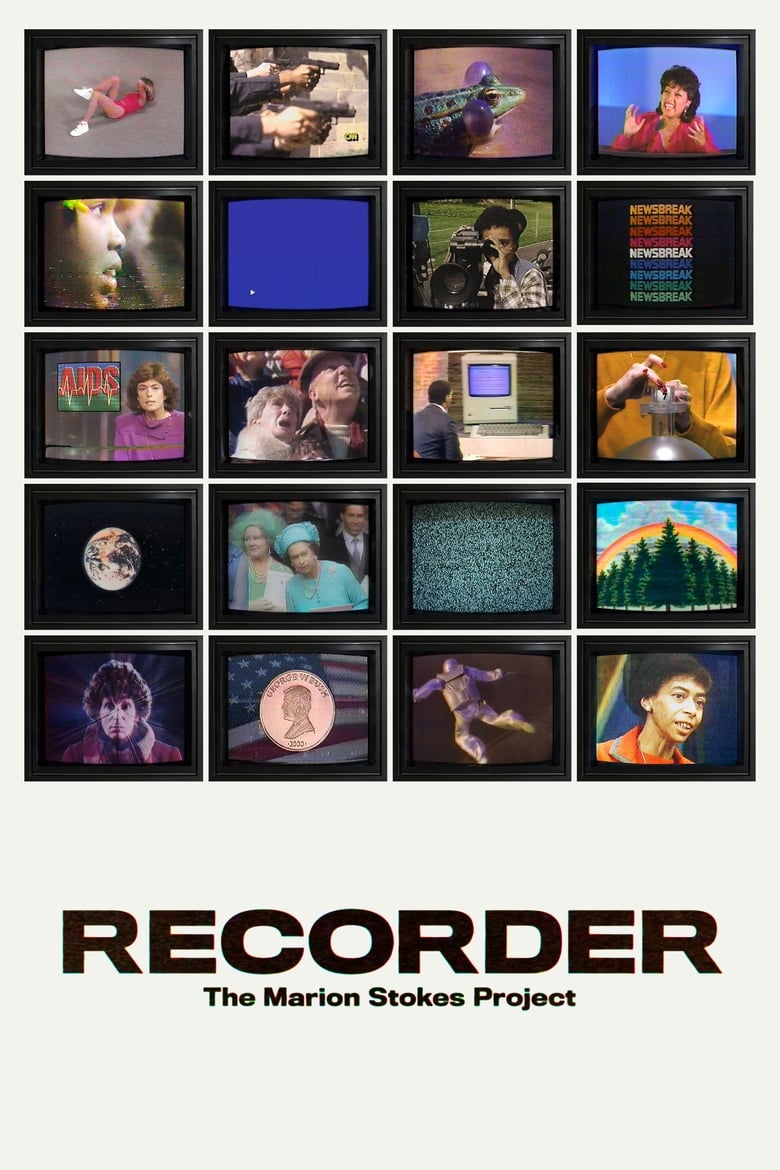
Marion Stokes secretly recorded television 24 hours a day for 30 years from 1975 until her death in 2012. For Marion taping was a form of activism to seek the truth, and she believed that a comprehensive archive of the media would be invaluable for future generations. Her visionary and maddening project nearly tore her family apart, but now her 70,000 VHS tapes are being digitized and they'll be searchable online.
Overall Score
Fair
Category Breakdown
LGBTQ+ Representation
The film does not center LGBTQ+ narratives or identities. While archival footage reflects broader social shifts, the focus remains on Stokes’s personal mission and her relationship with the recorded medium.
Gender Representation
The film subverts traditional hierarchies by centering a female protagonist with intellectual agency. Stokes is depicted as a woman of uncompromising autonomy whose devotion prioritized her project over familial stability.
Racial & Ethnic Diversity
The uncurated archival footage provides organic representation of American public life. It captures the multi-ethnic reality of protests and urban environments, documenting marginalized groups without mainstream sanitization.
Religious & Cultural Diversity
The narrative engages with themes of moral relativism and skepticism toward traditional Western institutions. It frames the act of recording as a way to bypass curated state and corporate narratives.
Disability Representation
The film touches on the psychological realities of Stokes’s obsessive compulsion. Her intense dedication is treated as a facet of her agency rather than a device for sympathy.
Strengths
Areas for Improvement
AI Analysis
The film succeeds as a postmodern critique of media by elevating a female subject to a position of radical intellectual agency. It uses archival footage to challenge the hegemony of curated broadcast media. While the film lacks explicit focus on identity politics or specific marginalized demographics, it provides a sociological mirror through its raw footage. This allows for organic visibility of diverse groups within the historical record. Ultimately, the work finds value in its interrogation of the 'official' record, suggesting that true history exists in the uncurated margins of the observed world.
2020

2016

2015

2011
2016

2009
2009

2011
2017

2013

2020

2014
No reviews yet. Be the first to share your thoughts on this movie!
Use the rating form above to leave a star rating and optional review.