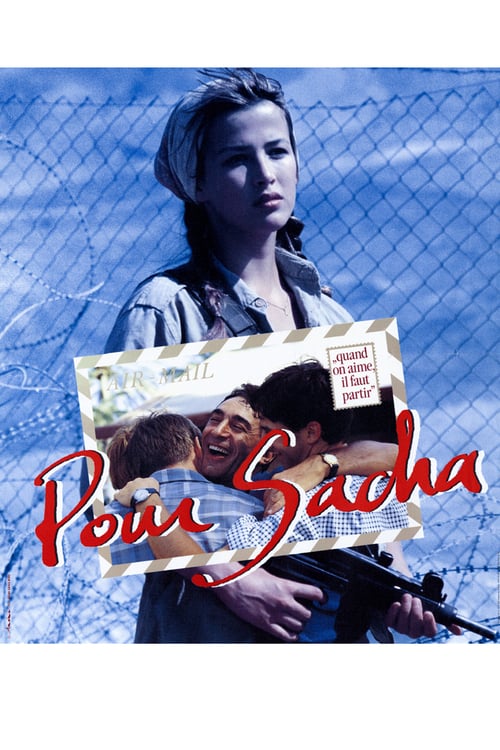
For Sasha
1991
No user ratings available yet
Representation score: 4.2 out of 10

Representation Score
Fair
1988
Director
Léa Pool
Runtime
92 minutes
Average Rating
No ratings yetNew Showbiz Analysis
Léa Pool’s film succeeds in breaking away from conventional romantic and gendered clichés. By centering a non-traditional domestic unit, the story offers meaningful representation of polyamorous dynamics and complex human connections. However, the film is limited by a lack of racial diversity, reflecting a predominantly white social milieu. This narrow demographic focus prevents a more layered exploration of the period's social constraints. Ultimately, the work is a sophisticated character study. It trades broad political frameworks for a nuanced look at how the dissolution of unconventional bonds affects individuals.
Category Breakdown
The film centers on a decade-long relationship involving three people, including both a man and a woman. This polyamorous setup goes beyond including someone from a minority group without giving them real depth to make non-traditional intimacy a key emotional driver.
The narrative challenges traditional gender roles by emphasizing internal psychological landscapes and women's ability to drive the story. It avoids passive stereotypes, instead exploring the complexities of desire and obsession.
Set in mid-century Quebec, the film features a predominantly white cast. The lack of diverse racial representation limits the film's scope within its historical context.
The story prioritizes individual emotional truth over institutional morality. While it critiques traditional social structures, it remains a character-driven study rather than an overtly political work.
There is no evidence of physical or neurodivergent disabilities being portrayed. No characters appear to be used as plot devices or subjects of mockery.
Present on Screen
Limited or Absent
Official Synopsis
Pierre is a Montreal photojournalist who returns from Nicaragua to find that his ten-year menage a trois is over. Haunted by his mid-life crisis, he becomes obsessed with trying to find out why his two lovers, Sarah and David, have left him.
1991

1974

2000

1994

1979

1983
1994

1985
No reviews yet. Be the first to share your thoughts on this movie!
Use the rating form above to leave a star rating and optional review.