Make Up
2011
No user ratings available yet
Representation score: 5.3 out of 10
Representation Score
Minimal
2003
Director
Akihiko Shiota
Runtime
126 minutes
Average Rating
No ratings yetNew Showbiz Analysis
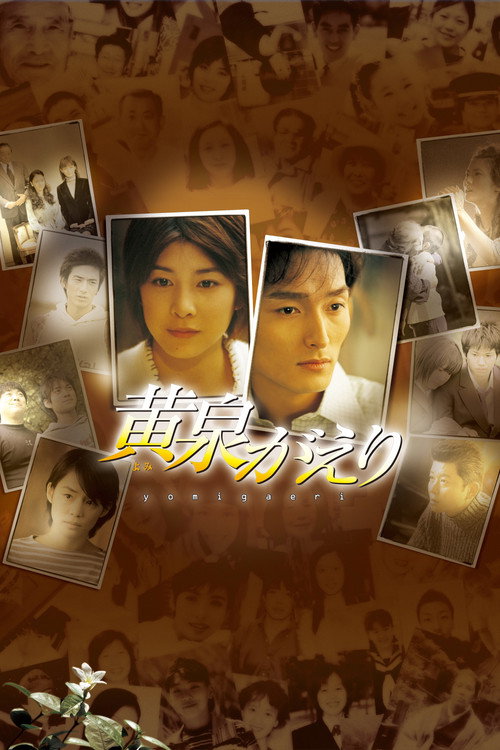
Yomigaeri is a sentimental, humanistic drama that prioritizes emotional resonance and the preservation of the family unit over systemic critique. The narrative architecture is rooted in traditional social frameworks, focusing on grief and the metaphysical boundaries of the domestic sphere. While the film achieves high emotional nuance, it functions to reinforce rather than challenge established social norms. It avoids identity-driven narratives or the disruption of hierarchies, opting instead for a classical approach to storytelling. Ultimately, the film's focus on universal human emotions like longing and reconciliation means it lacks the intentionality required for high scores in progressive representation metrics.
Category Breakdown
The film lacks LGBTQ+ characters or themes. Social and romantic dynamics are framed within a traditional structure centered on a husband and wife relationship.
The story centers on a husband-wife couple within a conventional domestic framework. It emphasizes the wife's emotional labor and reinforces traditional gender roles and the stability of the nuclear family.
The production features a culturally homogeneous Japanese cast and setting. It presents a singular cultural perspective without exploring the different backgrounds or diverse ethnic identities.
Values are deeply aligned with the sanctity of domestic bonds and family preservation. The narrative presents a stabilized, middle-class reality rather than challenging institutional norms.
There are no prominent depictions of physical or neurodivergent disabilities. No characters use disability as a central driver for their story or narrative arc.
Present on Screen
Limited or Absent
Official Synopsis
When dead people starts returning to the small Japanese town of Aso, government official Kawada is dispatched to uncover the “truth”.
2011

2000
2014
2005

2004
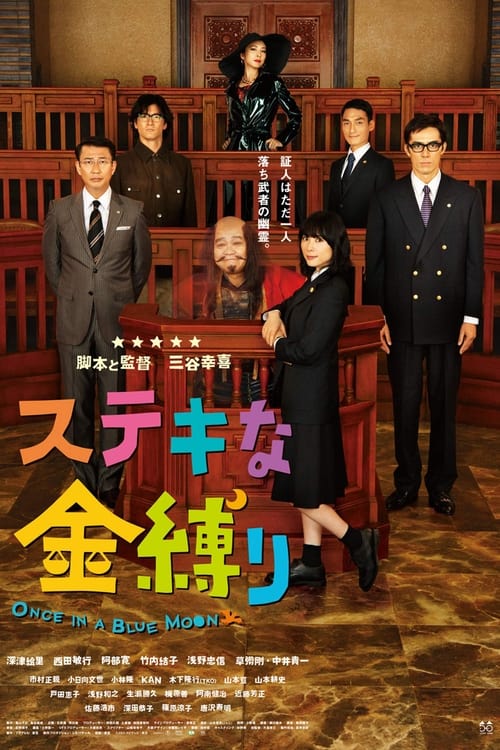
2011
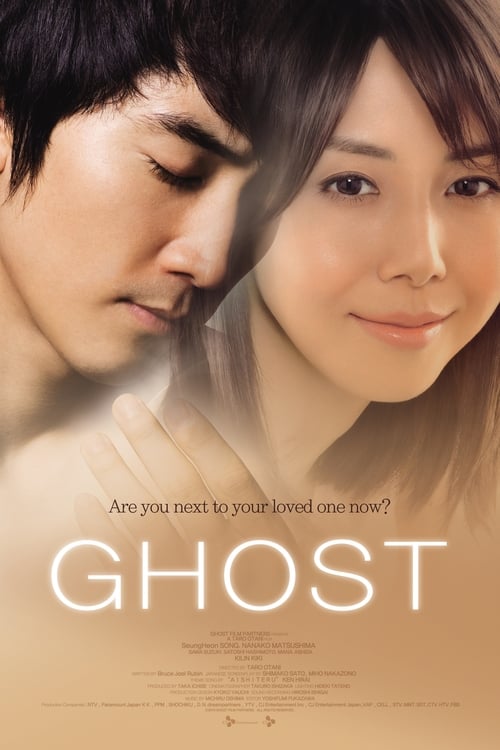
2010
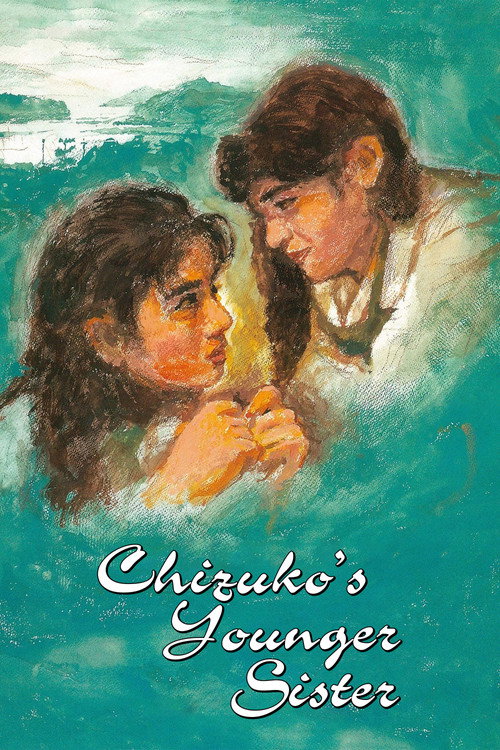
1991
No reviews yet. Be the first to share your thoughts on this movie!
Use the rating form above to leave a star rating and optional review.