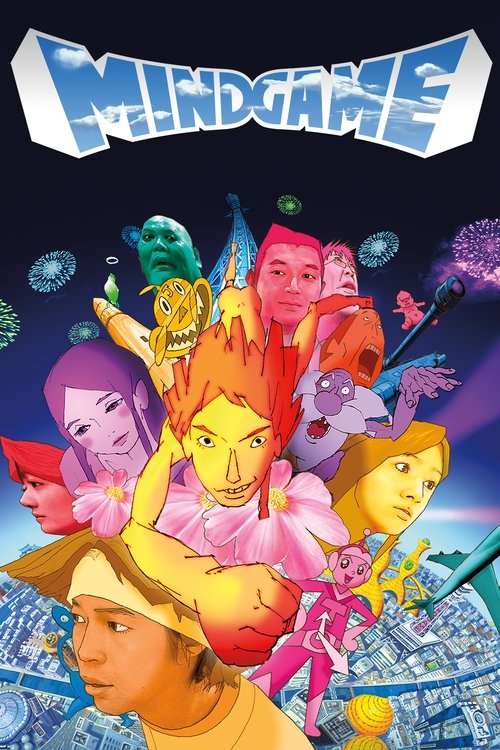
Mind Game
2004
No user ratings available yet
Representation score: 8.5 out of 10
Representation Score
Fair
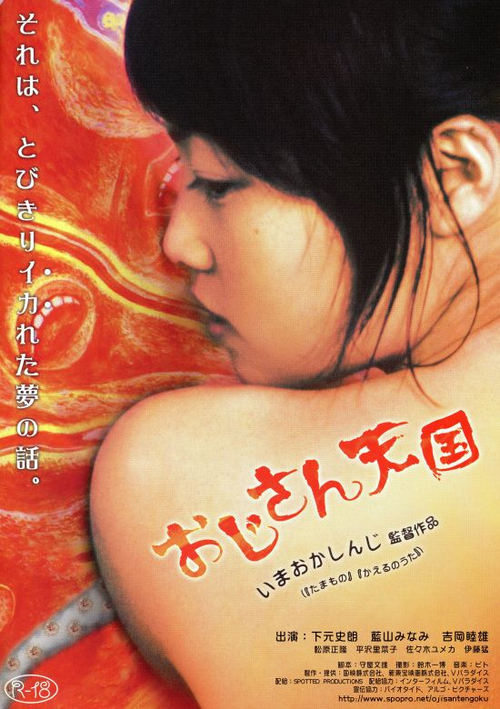
2006
Not RatedDirector
Shinji Imaoka
Runtime
64 minutes
Average Rating
No ratings yetNew Showbiz Analysis
Uncle's Paradise uses surrealism to break down conventional social orders and the sanctity of the nuclear family. It emphasizes chaos and unconventional thinking over cohesive moral lessons or social harmony. The film effectively explores fluid identities and a skeptical view of religious and familial authority. This approach challenges the rigidity of traditional Japanese social structures. However, the film lacks racial diversity and remains focused on a homogenous cast, limiting its broader cultural scope.
Category Breakdown
The film breaks away from traditional heterosexual norms by showcasing fluid relationships and connections that go beyond typical romantic pairings. It avoids strict sexual labels, focusing instead on a range of human interactions.
Masculinity is shown through instability and impulsive behavior rather than stability. The film challenges the stereotype of the dependable male leader or provider.
Set in modern Japan, the film features a predominantly homogenous cast. The story centers on local social dynamics, lacking broader racial diversity.
The work questions the sanctity of family and religious traditions through a disrespectful portrayal of Shinto shrines and the afterlife. It promotes moral flexibility over rigid religious doctrine.
There are no specific depictions of visible or invisible disabilities that play a central role in the narrative.
Present on Screen
Limited or Absent
Official Synopsis
This surrealistic comedy follows the life of Haruo Maekawa, a young man who makes a living catching squid. Haruo is obsessed with catching a legendary giant squid rumored to live in Tokyo Bay. Haruo's uncle Takashi, fallen on hard times, comes to stay with his nephew until he can get back on his feet. Uncle Takashi is addicted to energy drinks, and seduces any woman in sight, including Haruo's girlfriend Rika. While praying at a Shintō shrine, Uncle Takashi is bitten in the scrotum by a poisonous snake and dies. The uncle is destined to spend the afterlife in Hell unless his nephew and girlfriend can rescue him from the King of Hell.
2004

2009
2012

2007

2011
2007
2013

2022
No reviews yet. Be the first to share your thoughts on this movie!
Use the rating form above to leave a star rating and optional review.