VIRGIN PUNK Clockwork Girl
2025
No user ratings available yet
Representation score: 7.4 out of 10
Representation Score
Good
2004
Not RatedDirector
Hiroyuki Imaishi
Runtime
52 minutes
Average Rating
No ratings yetNew Showbiz Analysis
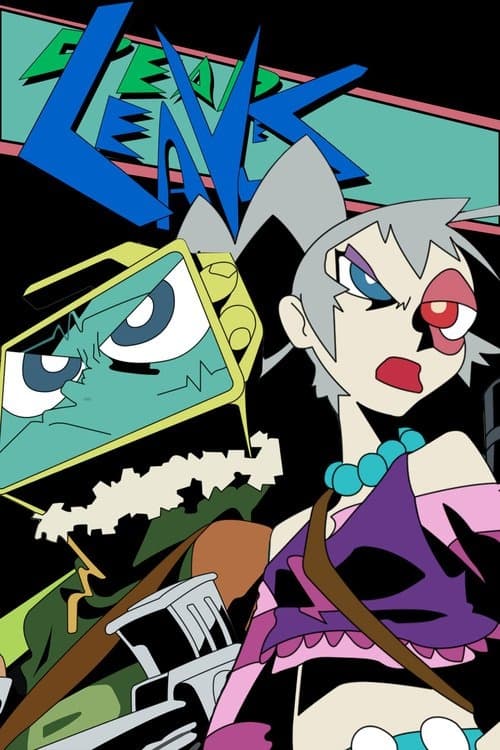
Dead Leaves is a maximalist, kinetic work that prioritizes stylistic expressionism over traditional narrative depth. Its impact is primarily felt through its postmodern aesthetic and visual subversion rather than a deliberate exploration of identity. The film succeeds in disrupting traditional gendered combat roles, presenting women as capable fighters. However, it lacks intentional multi-layered development or specific representation for LGBTQ+ and disabled communities. Ultimately, the film functions as a visual abstraction. While it rejects systemic social order, it lacks the character-driven nuance required for a more progressive social critique.
Category Breakdown
The film does not include explicit LGBTQ+ identities or relationships that challenge the assumption that everyone is straight or cisgender. Character designs have a gender-fluid look, but there is no dialogue or plot elements that establish queer identities.
Female characters play significant roles in the film, taking on high-intensity combat roles equal to those of male characters. This breaks down traditional submissive gender archetypes, although the film does not explore nuanced interpersonal gender dynamics.
The film uses highly saturated, non-naturalistic colors and stylized designs that obscure traditional racial markers. The cast provides visual variety, but the film avoids specific ethnic narratives or race-bent casting.
The narrative focuses on individual rebellion against institutional authority. By portraying law and order as obstacles, the film challenges traditional social structures and Western institutional stability.
Characters are defined by physical vitality and combat prowess. There is no significant portrayal of characters with visible or invisible disabilities or neurodivergence.
Present on Screen
Limited or Absent
Official Synopsis
Pandy and Retro awaken naked on Earth with no recollection of their past. They embark on a crime spree in search of food and clothing, but are captured by authorities and sent to the infamous lunar penitentiary named Dead Leaves.
2025
2004
2015

2010

2026
2001
1993
2003
No reviews yet. Be the first to share your thoughts on this movie!
Use the rating form above to leave a star rating and optional review.